Essential Home Inspection Strategies for San Francisco Buyers
Master the critical inspection process to avoid costly surprises and negotiate with confidence in San Francisco's competitive market.

Understanding San Francisco's Unique Property Challenges
San Francisco's real estate market presents distinct challenges that differ significantly from other regions. The city's older housing stock, combined with its unique geography and climate, creates specific inspection priorities that buyers must understand before making an offer.
Seismic and Foundation Concerns
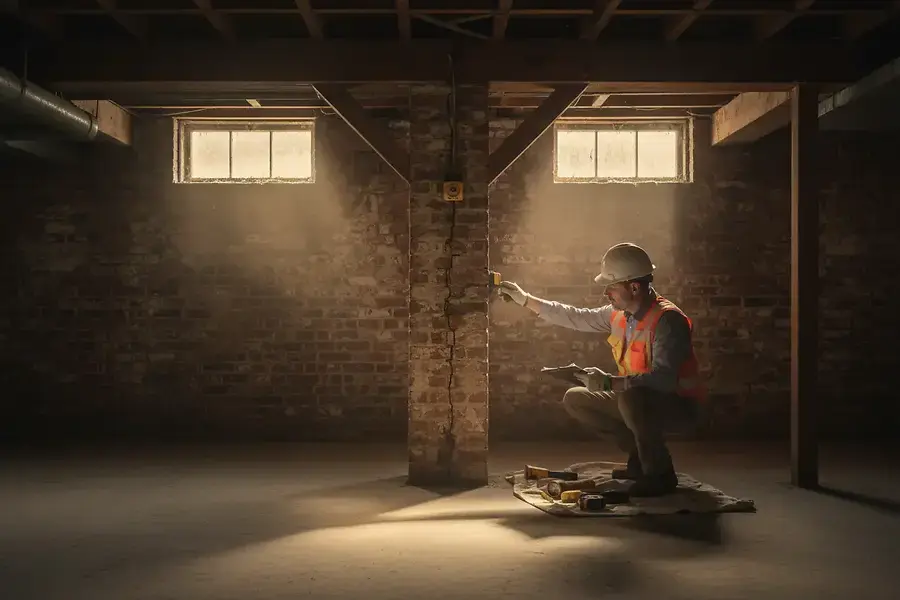
One of the most critical issues in San Francisco is earthquake preparedness and foundation integrity. Many homes in the city were built before modern seismic building codes were implemented. Foundation damage, settling, and inadequate bracing are common issues that can result in expensive repairs. During your inspection, pay special attention to:
- Visible cracks in foundation walls or basement floors
- Uneven or sloping floors throughout the home
- Gaps between walls and ceilings
- Evidence of previous foundation repairs
Moisture and Mold Issues
San Francisco's marine climate creates persistent moisture challenges. Fog, salt air, and humidity can lead to mold growth, wood rot, and structural deterioration if not properly managed. Inspect basements, crawl spaces, and attics carefully for signs of water intrusion, dampness, or mold growth.
Aging Infrastructure
Many San Francisco properties feature outdated electrical systems, plumbing, and HVAC equipment. Knob-and-tube wiring, galvanized pipes, and aging furnaces are common findings that may require immediate replacement. These upgrades can be costly, so understanding the condition of these systems is essential.
What to Prioritize During Your Home Inspection
Structural Integrity Assessment
Begin with a comprehensive structural evaluation. Your inspector should examine the foundation, framing, and load-bearing walls. Look for signs of settling, water damage, or previous repairs that might indicate ongoing issues. Request that your inspector specifically address seismic retrofitting status, as this directly impacts both safety and resale value.
Roof and Exterior Condition
San Francisco's weather patterns demand a thorough roof inspection. Check for missing shingles, deteriorated flashing, and proper drainage systems. The exterior should also be evaluated for:
- Paint condition and lead paint presence (critical in older homes)
- Window and door seal integrity
- Gutter and downspout functionality
- Siding or stucco damage
Systems and Utilities
Request detailed reports on electrical, plumbing, and HVAC systems. Outdated systems may not meet current code requirements, and upgrades could be necessary for safety or functionality. Ask your inspector to identify any systems that are near the end of their expected lifespan.
Environmental Concerns
San Francisco properties may have environmental issues including lead paint, asbestos, or radon. Conduct specialized testing if the home was built before 1978, as lead paint is a significant health concern, especially for families with children. Consider environmental testing as a non-negotiable part of your inspection process.
Working with Inspectors and Using Results in Negotiations
Selecting the Right Inspector
Choose a licensed, experienced inspector who specializes in San Francisco properties. Look for inspectors with specific knowledge of older homes and Bay Area construction practices. Ask for references and verify their credentials with the California Home Inspection Board.
Attending the Inspection
Always attend your home inspection in person. This allows you to ask questions, understand issues firsthand, and get a feel for the property's true condition. Your inspector can explain findings more effectively when you're present, and you'll gain valuable insights that written reports alone cannot convey.
Interpreting the Report
Inspection reports can be lengthy and technical. Focus on items categorized as "safety concerns" or "major repairs needed." Minor cosmetic issues are typically not negotiable, but significant structural, electrical, or plumbing problems provide legitimate grounds for renegotiation.
Negotiation Strategies
Use inspection findings strategically in negotiations. You have several options:
- Request repairs: Ask the seller to fix identified issues before closing
- Request credits: Negotiate a reduction in purchase price to cover repair costs
- Request inspections: Ask for specialized inspections (structural engineer, pest control) at the seller's expense
- Walk away: If issues are too severe, you have the right to terminate the contract
In San Francisco's competitive market, be strategic about which issues you prioritize. Focus negotiations on items that affect safety, structural integrity, or long-term value rather than cosmetic concerns.
Final Steps Before Making Your Offer
Get a Pre-Inspection
Consider hiring an inspector before making an offer. A pre-inspection gives you valuable information to inform your offer price and contingencies. This proactive approach can prevent surprises and strengthen your negotiating position.
Budget for Repairs and Upgrades
Factor inspection findings into your financial planning. Set aside funds for necessary repairs and potential upgrades to outdated systems. Don't let inspection results catch you off guard financially—build contingency costs into your overall budget.
Understand Your Contingencies
Ensure your purchase agreement includes a thorough inspection contingency. This protects you if major issues are discovered. In San Francisco's competitive market, sellers may push back on inspection contingencies, but they remain essential for buyer protection.
Make an Informed Decision
After reviewing inspection results and negotiating repairs or credits, you're ready to make a final decision.
Remember: a thorough inspection is not a delay tactic—it's an investment in your peace of mind and financial security.Trust the process, rely on professional expertise, and move forward with confidence in your San Francisco home purchase.


