Essential Home Inspection Tips Every Residential Buyer Should Know
Discover the critical inspection points that protect your residential investment and reveal hidden issues before closing.

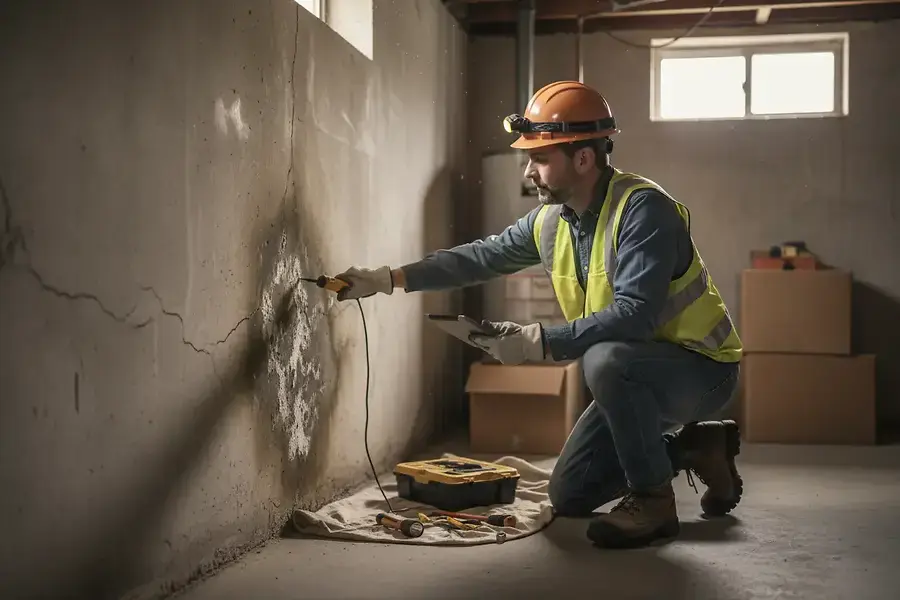
Why Home Inspections Are Non-Negotiable for Residential Buyers
Purchasing a home is one of the most significant financial decisions you'll make in your lifetime. While many buyers focus on location, price, and aesthetics, the structural integrity and mechanical systems of a property are equally—if not more—important. A professional home inspection is your safeguard against costly surprises after closing.
A thorough home inspection reveals hidden defects that aren't visible during a casual walkthrough. From foundation issues to faulty electrical wiring, these problems can cost thousands of dollars to repair. By investing in a comprehensive inspection, you gain the knowledge needed to make an informed decision and protect your investment.
The inspection process typically takes 2-4 hours and covers every major system in the home. This investment upfront can save you from inheriting someone else's problems and provides leverage for negotiations before you sign the final paperwork.
The Complete Inspection Checklist: Systems, Structure, and Safety
Structural Components
The foundation is the backbone of any home. Inspectors examine the foundation for cracks, settling, water damage, and signs of structural movement. Even small cracks can indicate serious problems that require immediate attention.
- Foundation walls and basement floors for cracks or water intrusion
- Roof condition, including shingles, flashing, and gutters
- Exterior walls for damage, rot, or improper grading
- Windows and doors for proper sealing and operation
Electrical Systems
Faulty electrical systems pose serious safety risks, including fire hazards. A qualified inspector checks the main panel, wiring, outlets, and grounding to ensure everything meets current safety codes.
- Main electrical panel and circuit breakers
- Grounding and bonding systems
- Outlet functionality and proper grounding
- Any outdated or hazardous wiring (such as aluminum wiring)
Plumbing and Water Systems
Water damage is one of the most expensive issues homeowners face. Inspectors test water pressure, check for leaks, examine pipe materials, and assess the water heater's condition.
- Water pressure and flow rates
- Visible leaks under sinks and around fixtures
- Water heater age and condition
- Sump pump functionality (if applicable)
- Septic system inspection (for rural properties)
HVAC Systems
Heating, ventilation, and air conditioning systems are critical for comfort and indoor air quality. Inspectors evaluate the furnace, air conditioner, ductwork, and thermostat operation.
- Furnace and air conditioning unit age and condition
- Ductwork for leaks or damage
- Thermostat functionality
- Ventilation and air quality systems
Interior and Safety Features
Beyond major systems, inspectors check for safety hazards and interior condition issues that affect livability and value.
- Presence and functionality of smoke and carbon monoxide detectors
- Stair railings and handrails for safety compliance
- Attic ventilation and insulation levels
- Signs of pest infestation or mold growth
Red Flags to Address: Common Issues Found During Residential Inspections
Water Damage and Mold
Water intrusion is a silent destroyer that can compromise structural integrity and create health hazards. Look for water stains on ceilings, walls, or in basements. Mold growth indicates moisture problems that require professional remediation.
Water damage discovered after purchase can cost $10,000 to $50,000+ to repair, making early detection crucial.
Roof Issues
A failing roof is an expensive problem. Inspectors look for missing shingles, curling, sagging, or signs of age. If the roof is nearing the end of its lifespan, budget for replacement within the next few years.
Foundation Problems
Cracks in the foundation, uneven floors, or doors that don't close properly may indicate settling or structural movement. These issues require professional evaluation and can be costly to address.
Outdated or Hazardous Systems
Older homes may contain outdated electrical systems, asbestos insulation, lead paint, or aluminum wiring. These discoveries don't necessarily mean you should walk away, but they should factor into your negotiation and budget planning.
HVAC System Age
Furnaces and air conditioning units typically last 15-20 years. If these systems are near the end of their lifespan, expect replacement costs of $5,000-$15,000 in the coming years.
Using Inspection Results to Negotiate and Finalize Your Purchase
Once you receive the inspection report, you have several options:
Request Repairs
Ask the seller to fix significant issues before closing. This is most effective for safety concerns and major system failures. Get written estimates for repairs to support your requests.
Negotiate a Price Reduction
If the seller won't make repairs, negotiate a lower purchase price to account for the cost of fixes you'll handle yourself. This gives you control over the quality of work and contractor selection.
Request Credits at Closing
Some sellers prefer to provide credits that you can apply toward repairs after purchase. This approach works well when you have specific contractors in mind.
Walk Away If Necessary
If inspection results reveal major structural issues, significant safety hazards, or costs that exceed your budget, you may have grounds to terminate the purchase agreement. Your inspection contingency protects you in these situations.
Don't skip the inspection to save money or speed up the process. The few hundred dollars spent on a professional inspection is minimal compared to the potential costs of hidden defects. A thorough inspection empowers you to make confident decisions, negotiate effectively, and protect your investment for years to come.
Before closing on your new home, ensure you've reviewed the complete inspection report, understood all findings, and taken appropriate action on significant issues. This diligence transforms the inspection from a formality into a powerful tool that safeguards your financial future.


