Essential Home Inspection Tips for Baltimore Metro Area Buyers
What every homebuyer in Maryland's central region needs to know before closing on their investment.

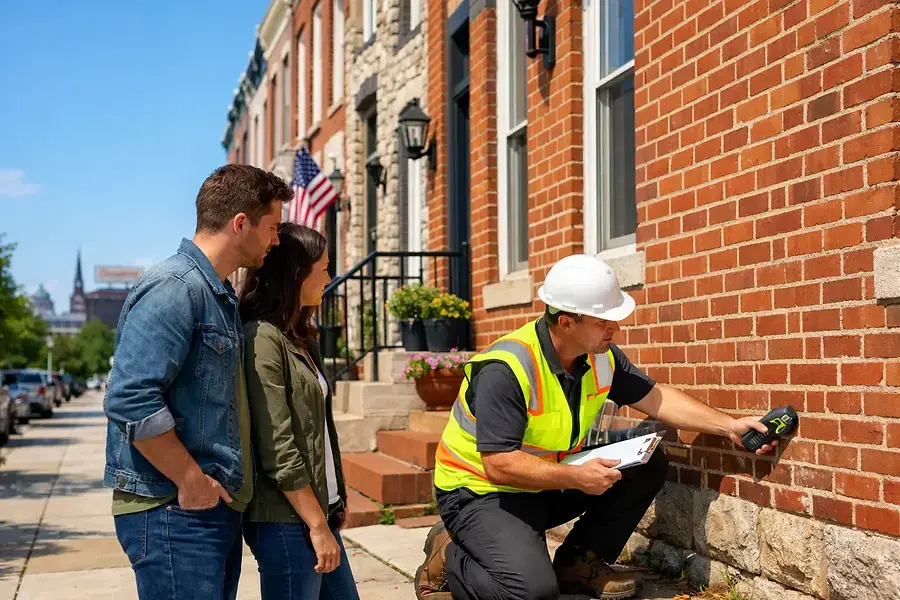
Why Home Inspections Matter for Baltimore Metro Buyers
Purchasing a home is one of the most significant financial decisions you'll make in your lifetime. In the Baltimore Metro area—spanning Baltimore, Columbia, Towson, and surrounding communities—the real estate market is competitive and diverse. Whether you're buying a charming Victorian rowhouse in Federal Hill or a contemporary home in Columbia's planned community, a thorough home inspection is your best defense against costly surprises.
A professional home inspection provides an objective assessment of a property's condition, identifying potential issues before you commit to the purchase. This detailed evaluation can save you thousands of dollars in unexpected repairs and give you the confidence to move forward with your investment.
Common Issues Found in Older Homes Across Baltimore, Columbia, and Towson
Aging Roofing Systems
Many homes throughout the Baltimore Metro area were built decades ago, and their roofing systems reflect that age. Inspectors frequently discover deteriorating shingles, inadequate ventilation, and structural damage that can lead to costly water damage if not addressed promptly.
Foundation and Basement Concerns
The region's clay-heavy soil and seasonal moisture fluctuations create unique challenges for home foundations. Common issues include:
- Basement water intrusion and dampness
- Cracks in concrete foundations
- Efflorescence (white mineral deposits on walls)
- Inadequate drainage systems
Outdated Electrical Systems
Older homes in Baltimore, particularly those built before the 1980s, often have outdated electrical systems. Inspectors frequently find knob-and-tube wiring, insufficient grounding, and inadequate circuit capacity—all of which pose safety risks and may require complete rewiring.
Plumbing and Water Quality Issues
Aging galvanized pipes are common in Baltimore Metro homes. These pipes can corrode over time, reducing water pressure and potentially contaminating your water supply. Additionally, lead pipes in some older properties present serious health concerns that require professional remediation.
HVAC System Deterioration
Heating and cooling systems in older homes may be nearing the end of their lifespan. Inspectors assess whether systems are functioning efficiently and estimate remaining useful life, helping you budget for future replacements.
The Home Inspection Process: What to Expect and Questions to Ask
Selecting a Qualified Inspector
Choose a licensed, certified home inspector with experience in the Baltimore Metro area. Look for inspectors who are members of professional organizations such as the American Society of Home Inspectors (ASHI) and have specific knowledge of regional construction styles and common issues.
What Happens During the Inspection
A comprehensive home inspection typically lasts 2-4 hours and covers:
- Structural components (foundation, framing, walls)
- Roofing and exterior elements
- Electrical systems and safety features
- Plumbing and water systems
- HVAC systems
- Interior conditions and appliances
- Attic, basement, and crawl spaces
Pro Tip: Attend the inspection in person. This gives you the opportunity to ask questions directly and gain a deeper understanding of the property's condition.
Critical Questions to Ask Your Inspector
During and after the inspection, don't hesitate to ask:
- What are the most significant issues found, and what's their estimated cost to repair?
- Are there any safety concerns that need immediate attention?
- What is the estimated remaining lifespan of major systems?
- Are there any signs of pest damage, mold, or water intrusion?
- What maintenance recommendations do you have for the future?
Understanding the Inspection Report
Your inspector will provide a detailed written report categorizing findings by severity. Reports typically use classifications such as:
- Critical: Issues requiring immediate repair for safety or functionality
- Major: Significant problems that should be addressed soon
- Minor: Small issues that don't affect the home's overall integrity
- Maintenance: Recommendations for ongoing upkeep
Using Inspection Reports to Negotiate and Protect Your Investment
Negotiation Strategies
Armed with a detailed inspection report, you have leverage in negotiations. You can:
- Request the seller make repairs before closing
- Ask for a price reduction to cover repair costs
- Request a credit at closing to handle repairs yourself
- Negotiate a timeline for repairs after closing
Remember: Be reasonable in your requests. Sellers are more likely to cooperate if your demands are based on documented inspection findings rather than cosmetic preferences.
Planning for Future Maintenance
The inspection report serves as a valuable roadmap for future home maintenance. Use it to:
- Create a prioritized repair schedule
- Budget for upcoming replacements (roof, HVAC, water heater)
- Establish a preventative maintenance routine
- Monitor areas of concern for deterioration
Protecting Your Long-Term Investment
A thorough home inspection protects your investment by ensuring you understand exactly what you're purchasing. In the Baltimore Metro area's diverse real estate market, this knowledge is invaluable. Whether you're buying a historic home with character or a newer property, the inspection report empowers you to make informed decisions and plan for the future with confidence.
Don't skip the inspection to save money or speed up the closing process. The small investment in a professional inspection can prevent costly surprises and give you peace of mind in your new home.