Essential Home Inspection Tips for Burlington Homebuyers
Learn what professional inspectors evaluate and how to protect your investment before closing on your Burlington home.

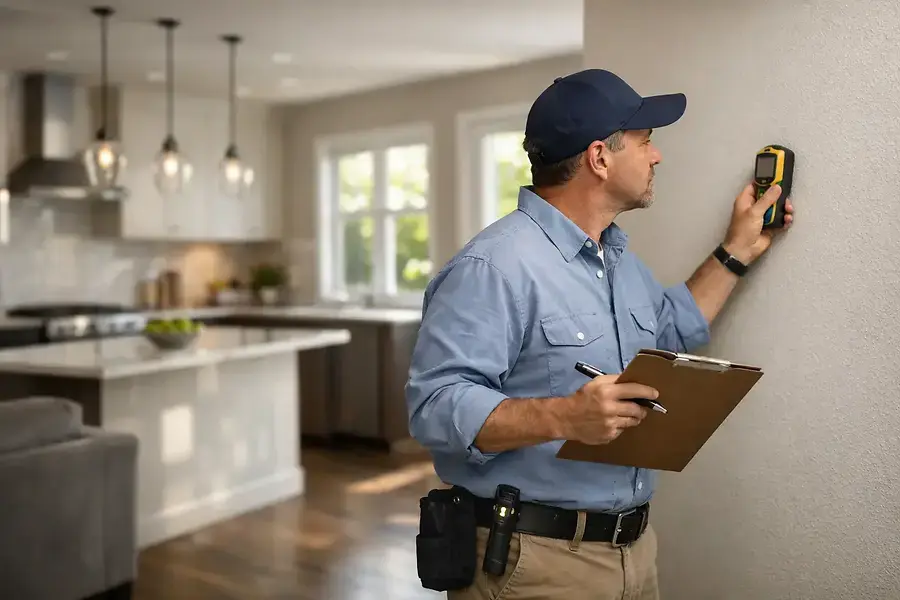
Understanding the Home Inspection Process
A home inspection is one of the most critical steps in the homebuying process. This comprehensive evaluation examines the structural integrity, systems, and overall condition of a property. For Burlington homebuyers, understanding what happens during an inspection can help you make informed decisions and avoid costly surprises after closing.
During a typical home inspection, a licensed professional will spend two to four hours examining the property from top to bottom. They assess everything from the roof and foundation to the electrical systems and plumbing. The inspector will document their findings in a detailed report that becomes your roadmap for negotiations and future maintenance.
What Inspectors Look For
Professional home inspectors evaluate multiple systems and components:
- Structural Elements: Foundation, walls, roof, and framing
- Exterior: Siding, windows, doors, and drainage systems
- Roofing: Condition, age, and remaining lifespan
- Plumbing: Water pressure, drainage, and pipe condition
- Electrical: Panel condition, outlets, and safety features
- HVAC: Heating and cooling system functionality
- Interior: Walls, ceilings, floors, and built-in appliances
This thorough examination helps identify potential issues before you commit to the purchase.
Common Issues Found in Burlington Properties
Burlington's climate and older housing stock mean certain issues appear more frequently than in other regions. Being aware of these common problems can help you ask the right questions and negotiate effectively.
Water Damage and Moisture Issues
Burlington's humid climate and seasonal weather patterns make water damage a prevalent concern. Inspectors frequently find issues such as basement moisture, roof leaks, and poor drainage around foundations. These problems can lead to mold growth and structural deterioration if left unaddressed.
Aging Systems and Components
Many Burlington homes were built decades ago, which means older electrical systems, plumbing, and HVAC units are common findings. Outdated wiring, corroded pipes, and aging furnaces may need replacement sooner rather than later. Understanding the age and condition of these systems helps you budget for future upgrades.
Roof and Exterior Concerns
The region's weather conditions take a toll on roofing materials. Inspectors often identify missing shingles, flashing issues, and deteriorating gutters. Additionally, wood rot in siding and trim is frequently discovered, particularly in older homes.
Foundation and Structural Issues
Settling and minor cracks are common in established neighborhoods. While many are harmless, some may indicate more serious structural problems. A thorough inspection will distinguish between cosmetic issues and those requiring professional remediation.
How to Interpret Your Inspection Report
Once the inspection is complete, you'll receive a detailed report. Understanding how to read and interpret this document is crucial for making your next move.
Report Organization
Most inspection reports are organized by system or area of the home. Each section typically includes:
- A description of the component or system inspected
- The current condition (satisfactory, fair, poor, or needs repair)
- Detailed observations and findings
- Recommendations for further evaluation or repair
Prioritizing Issues
Not all findings require immediate action. Categorize issues into three groups:
- Critical: Safety hazards or major system failures (electrical problems, structural damage, roof leaks)
- Important: Issues that will worsen without attention (water damage, aging HVAC systems)
- Minor: Cosmetic or low-priority items (paint touch-ups, caulking)
Focus your negotiations on critical and important items rather than minor concerns.
Getting Professional Opinions
If the inspector identifies potential issues in specialized areas, don't hesitate to hire specialists. Structural engineers, electricians, and plumbers can provide detailed assessments and cost estimates for repairs. This investment protects you from unexpected expenses after closing.
"A thorough home inspection is your best defense against costly surprises. Take time to understand the report and ask questions about anything unclear."
Next Steps After Your Inspection
The inspection report is just the beginning. Here's how to move forward strategically.
Negotiation Strategies
Armed with your inspection report, you have several options:
- Request repairs: Ask the seller to fix critical issues before closing
- Negotiate credits: Request a reduction in the purchase price to cover repairs yourself
- Request inspections: Ask for specialized evaluations of concerning systems
- Walk away: If major issues exceed your comfort level, you may terminate the purchase
Your real estate agent can help you determine the most effective negotiation approach based on local market conditions and the severity of findings.
Planning for Future Maintenance
Even if all major issues are resolved before closing, use the inspection report as a maintenance guide. Schedule regular upkeep for systems identified as aging or in fair condition. Preventive maintenance is far less expensive than emergency repairs.
Budget for Repairs and Upgrades
If you've negotiated credits or are taking on repairs yourself, get multiple quotes from licensed contractors. Set aside additional funds for unexpected issues that may arise during repairs—it's common to discover additional problems once work begins.
Keep Documentation
Maintain your inspection report, any specialist evaluations, and repair receipts. This documentation is valuable for warranty claims, insurance purposes, and future resale. It demonstrates that you've properly maintained the property.
By understanding the home inspection process and taking these steps seriously, Burlington homebuyers can protect their investment and make confident decisions about their new property. A thorough inspection isn't just about identifying problems—it's about gaining peace of mind and ensuring your new house becomes the home of your dreams.


