Essential Home Inspection Tips for Grand Prairie Property Buyers
Learn what inspectors evaluate and how to protect your investment with a thorough pre-purchase inspection.

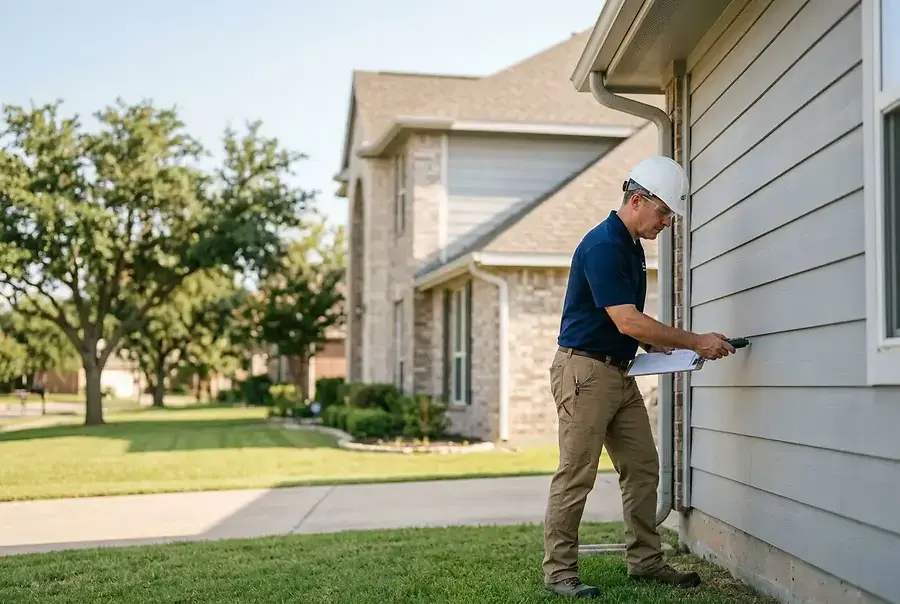
Why Home Inspections Matter for Grand Prairie Buyers
Purchasing a home is one of the most significant financial decisions you'll make in your lifetime. In Grand Prairie, where the real estate market is competitive and diverse, a professional home inspection is your best defense against costly surprises after closing. A thorough inspection provides an objective assessment of the property's condition, helping you understand exactly what you're investing in.
Many first-time buyers underestimate the importance of inspections, viewing them as an unnecessary expense. However, a comprehensive inspection can reveal hidden issues that could cost thousands of dollars to repair. From structural problems to electrical hazards, inspectors identify concerns that might not be visible during a casual walkthrough. This knowledge empowers you to negotiate repairs, request credits, or make an informed decision about whether to proceed with the purchase.
What Professional Inspectors Examine and Common Red Flags to Watch
Structural and Foundation Issues
The foundation is the backbone of any home. Inspectors carefully examine the foundation for cracks, settling, and water damage. Common red flags include horizontal cracks, bowing walls, or signs of previous repairs. In Grand Prairie's climate, foundation issues can develop due to soil movement and weather patterns, making this inspection particularly crucial.
Roofing and Exterior
Your roof protects everything beneath it, so its condition is paramount. Inspectors assess shingle condition, flashing integrity, and signs of leaks or water damage. Watch for missing or curling shingles, sagging areas, or moss growth. The exterior also includes siding, gutters, and drainage systems—all essential for protecting your home from water intrusion.
Plumbing Systems
Plumbing issues can be expensive and disruptive. Inspectors test water pressure, check for leaks, examine pipe materials, and verify proper drainage. Red flags include slow drains, water stains, outdated galvanized pipes, or evidence of previous water damage. They'll also evaluate the water heater's age and condition.
Electrical Systems
Electrical safety is non-negotiable. Professional inspectors examine the panel, outlets, switches, and wiring for code compliance and safety hazards. Common concerns include outdated panels, insufficient outlets, improper grounding, or evidence of amateur repairs. Faulty electrical work poses serious fire and shock hazards.
HVAC Systems
Heating, ventilation, and air conditioning systems are essential for comfort and health. Inspectors evaluate furnace and air conditioning unit age, efficiency, and functionality. They check ductwork for leaks and ensure proper airflow throughout the home. Budget for replacement if systems are nearing the end of their typical lifespan.
Interior Conditions
Inspectors examine walls, ceilings, and floors for damage, moisture, or structural concerns. They look for signs of pest infestations, mold, or previous water damage. Windows and doors are tested for proper operation and seal integrity. Pay attention to any musty odors or visible discoloration, which may indicate hidden moisture problems.
How to Prepare for Your Inspection and Understand the Report
Before the Inspection
Preparation ensures you get the most value from your inspection. Here's what to do:
- Hire a licensed, certified inspector with experience in the Grand Prairie area
- Request references and verify their credentials and insurance
- Schedule the inspection for a time when you can attend
- Ensure the property is accessible and utilities are on
- Prepare a list of specific concerns or areas you want emphasized
During the Inspection
Attend the inspection if possible. This allows you to ask questions, see issues firsthand, and understand the inspector's concerns. Take notes and photos of any areas of concern. Don't hesitate to ask the inspector to explain findings in detail—this is your opportunity to become fully informed about the property's condition.
Understanding Your Report
Home inspection reports typically categorize findings by severity: critical issues requiring immediate attention, major concerns that should be addressed soon, and minor items for future consideration. The report should include:
- Detailed descriptions of each system examined
- Photographs of significant issues
- Estimated costs for repairs (when applicable)
- Recommendations for further evaluation by specialists
- Safety concerns that need immediate attention
Don't ignore items marked as "further evaluation needed." These often indicate that a specialist should assess the issue more thoroughly. For example, if the inspector suspects mold, you may need an environmental specialist. If there's concern about structural integrity, an engineer might be necessary.
Using Inspection Results in Negotiations
Once you have the inspection report, you have several options. You can request repairs from the seller, ask for a credit toward closing costs, or renegotiate the purchase price. Some buyers use inspection results to walk away from deals that reveal too many problems. Whatever you decide, let the inspection guide your negotiation strategy.
Using Inspection Results to Make Confident Purchasing Decisions
A thorough home inspection transforms you from a hopeful buyer into an informed one. Remember these key points:
- No home is perfect—focus on major issues rather than minor cosmetic concerns
- Understand the difference between deferred maintenance and structural problems
- Consider the age of major systems and budget for future replacements
- Get specialist evaluations for any concerns beyond the inspector's scope
- Use inspection results as your foundation for confident decision-making
In Grand Prairie's competitive real estate market, a professional home inspection is your investment protection. It provides the clarity and confidence you need to make one of life's biggest decisions with peace of mind. Whether you're a first-time buyer or an experienced investor, never skip this crucial step in the home-buying process.