Essential Home Inspection Tips for Honolulu Real Estate Buyers
Discover the critical steps to protect your investment and identify potential issues before closing on your Honolulu property.

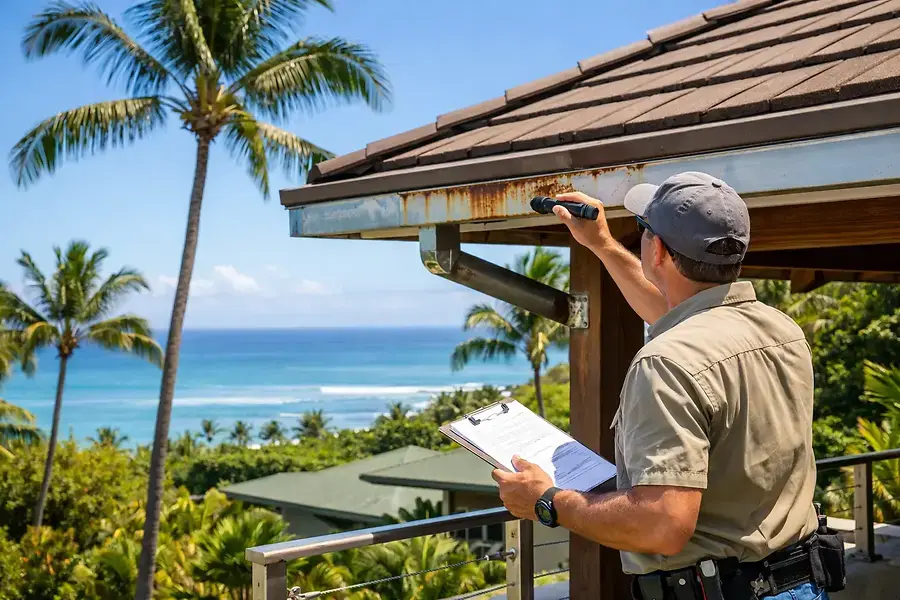
Understanding Honolulu's Unique Inspection Challenges
Honolulu's tropical climate presents distinct challenges that mainland home inspectors may not encounter. The combination of salt air, high humidity, intense UV radiation, and frequent rainfall creates an environment that accelerates wear and tear on properties. As a buyer, understanding these unique factors is crucial to making an informed decision about your investment.
The salt air from the Pacific Ocean is particularly corrosive, affecting metal components, roofing materials, and exterior finishes. Humidity levels consistently exceed 70%, creating ideal conditions for mold growth and wood rot. Additionally, Honolulu's volcanic soil composition can impact foundation stability and drainage systems. These environmental factors mean that properties here require more frequent maintenance and repairs than homes in drier climates.
Climate-Related Wear and Tear
The tropical weather in Honolulu accelerates deterioration of building materials. Metal fixtures rust faster, paint peels more quickly, and wood components are susceptible to rot. During your home inspection, pay special attention to these elements, as they may require replacement sooner than expected.
What Professional Home Inspectors Look For in Hawaii Properties
A qualified home inspector in Honolulu should have specific expertise in tropical properties. They'll conduct a thorough examination that goes beyond standard mainland inspections, focusing on issues prevalent in Hawaii's unique environment.
Structural and Foundation Assessment
Inspectors will examine the foundation for cracks, settling, and signs of water damage. Honolulu's volcanic soil and occasional seismic activity require careful evaluation. They'll also assess the structural integrity of the building, looking for evidence of past repairs or reinforcements.
Roofing and Exterior Inspection
The roof is critical in Honolulu, where heavy rains and salt spray are constant threats. Inspectors examine:
- Shingle or tile condition and proper installation
- Flashing around chimneys, vents, and skylights
- Gutters and drainage systems
- Signs of rust or corrosion on metal components
- Evidence of previous repairs or patches
Plumbing and Water Systems
Hawaii's water quality and mineral content can affect plumbing systems. Inspectors check for:
- Pipe corrosion and mineral buildup
- Water pressure and flow rates
- Septic system functionality (if applicable)
- Water heater condition and efficiency
- Evidence of leaks or water damage
Electrical Systems
The high humidity in Honolulu can compromise electrical systems. Inspectors verify proper grounding, check for outdated wiring, and ensure the electrical panel is adequate for modern appliances and usage patterns.
Mold and Moisture Assessment
This is perhaps the most critical inspection area in Honolulu. Inspectors look for visible mold, water stains, and moisture intrusion in attics, basements, crawl spaces, and around windows and doors. They may recommend moisture testing if conditions warrant it.
Common Issues Found in Honolulu Homes and How to Address Them
Mold and Mildew Growth
Issue: The high humidity creates perfect conditions for mold growth, which can affect air quality and structural integrity.
Solution: Request a professional mold inspection if signs are present. Remediation may involve cleaning, improving ventilation, or addressing moisture sources. Budget for ongoing maintenance and consider installing dehumidifiers.
Rust and Corrosion
Issue: Metal components, including rebar in concrete, can corrode rapidly due to salt air exposure.
Solution: Plan for regular maintenance and protective coatings. Metal railings, fixtures, and structural elements may need replacement sooner than in mainland properties.
Roof Deterioration
Issue: Roofs in Honolulu typically last 15-20 years, compared to 20-25 years on the mainland, due to UV exposure and weather conditions.
Solution: Budget for roof replacement or major repairs. Ask the inspector about the roof's age and condition. Consider impact-resistant materials for future replacements.
Water Intrusion and Leaks
Issue: Heavy rainfall can lead to leaks around windows, doors, and roof penetrations if not properly sealed.
Solution: Ensure proper caulking and sealing. Inspect regularly for signs of water damage. Consider upgrading to impact-resistant windows and doors.
Foundation Issues
Issue: Volcanic soil and occasional seismic activity can cause foundation cracks or settling.
Solution: Have a structural engineer evaluate any significant cracks. Minor cracks may be cosmetic, but larger ones require professional assessment and possible repair.
Using Inspection Reports to Negotiate Better Deals
Understanding Your Inspection Report
A comprehensive inspection report will detail all findings, categorized by severity. Items are typically marked as:
- Critical: Safety hazards requiring immediate attention
- Major: Significant issues affecting property value or functionality
- Minor: Small issues that don't significantly impact the property
- Maintenance: Routine upkeep recommendations
Negotiation Strategies
Use your inspection report strategically during negotiations. For critical and major issues, request that the seller either make repairs before closing or provide a credit toward repairs. Get repair estimates from licensed contractors to support your negotiation position.
Key negotiation points:
- Request seller credits for major repairs instead of seller-completed repairs
- Obtain multiple repair estimates to establish fair pricing
- Prioritize critical safety issues in negotiations
- Consider the cost of future maintenance when evaluating offers
- Factor in Honolulu's unique climate-related expenses
Making Your Final Decision
Don't let inspection findings scare you away from a good property. Many issues are manageable and expected in Honolulu homes. Focus on understanding the true cost of ownership, including necessary repairs and ongoing maintenance. A well-maintained home with minor issues may be a better investment than a newer property with hidden problems.
Remember: A thorough home inspection is your best protection as a buyer. It provides the information needed to make confident decisions and negotiate effectively. In Honolulu's unique real estate market, this investment in due diligence can save you thousands of dollars and prevent costly surprises after closing.


