Essential Home Inspection Tips for Jacksonville Residential Buyers
Learn what to look for during inspections to avoid costly repairs and make confident purchasing decisions in Florida's humid climate.

Why Home Inspections Matter in Jacksonville
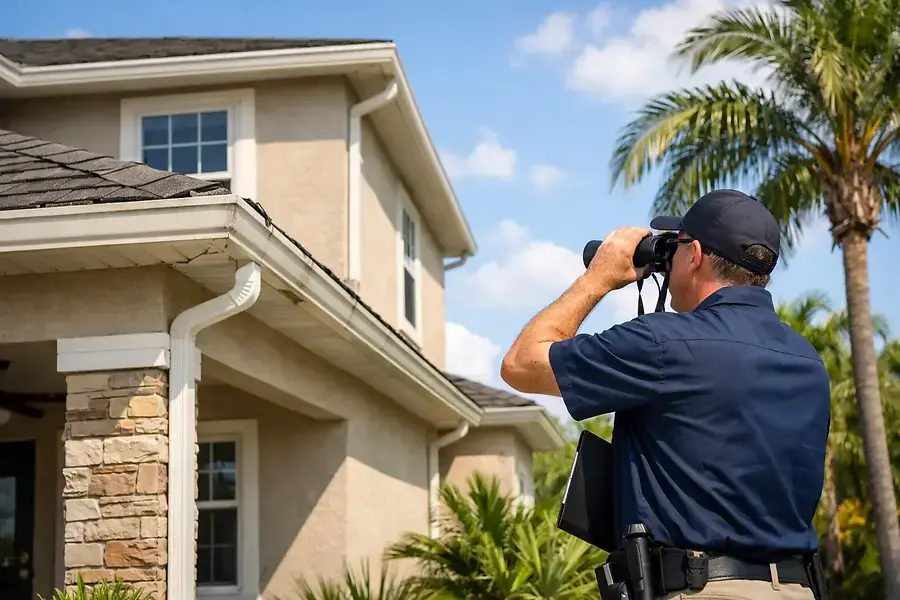
Purchasing a home is one of the most significant investments you'll make in your lifetime. In Jacksonville, where the subtropical climate presents unique challenges, a thorough home inspection becomes even more critical. A professional home inspection can reveal hidden problems that could cost thousands of dollars in repairs down the road.
Jacksonville's warm, humid climate creates an environment where moisture-related issues thrive. From mold growth to wood rot, these problems don't always announce themselves visibly. An experienced inspector understands the specific vulnerabilities of Florida homes and knows exactly where to look for trouble. By investing in a comprehensive inspection, you're protecting yourself from costly surprises and making an informed decision about one of life's biggest purchases.
Common Issues Found in Jacksonville Homes and How to Identify Them
Roof Damage and Deterioration
Jacksonville's intense sun and frequent storms take a toll on roofing materials. Look for missing or curled shingles, granule loss, and signs of water staining on ceilings and attic spaces. Ask your inspector to check the roof's age—most asphalt shingles last 15-20 years in Florida's climate. If the roof is approaching the end of its lifespan, budget for replacement costs.
Plumbing Problems
Older homes in Jacksonville often have outdated plumbing systems. Common issues include:
- Corroded copper pipes that may leak or burst
- Polybutylene pipes known for premature failure
- Slow drains indicating buildup or tree root intrusion
- Water pressure inconsistencies suggesting pipe deterioration
Have your inspector run water tests and check for visible corrosion. Replacing plumbing systems can be expensive, so understanding the condition of pipes is essential.
Electrical System Concerns
Outdated electrical systems are common in Jacksonville's older neighborhoods. Watch for:
- Aluminum wiring (a fire hazard that may require replacement)
- Insufficient outlets and overloaded circuits
- Outdated breaker panels that can't handle modern electrical demands
- Improper grounding or bonding
A qualified inspector will identify these issues and recommend upgrades needed for safety and functionality.
Foundation and Structural Issues
Florida's sandy soil and high water table can cause foundation problems. Look for cracks in the foundation, uneven floors, doors that don't close properly, and gaps between walls and ceilings. These signs may indicate settling, shifting, or moisture-related damage that requires professional assessment.
Red Flags Specific to Florida's Climate and Moisture Conditions
Mold and Mildew Growth
Jacksonville's humidity creates the perfect breeding ground for mold. During your inspection, pay close attention to bathrooms, basements, crawl spaces, and areas around windows and doors. Mold appears as black, green, or brown spots and has a musty odor. While some mold is normal, extensive growth indicates moisture problems that need addressing.
Mold remediation can be costly and health-hazardous, making early detection crucial for protecting both your investment and your family's wellbeing.
Water Intrusion and Moisture Damage
Look for water stains on ceilings, walls, and around windows. Check the attic for signs of leaks, and inspect the basement or crawl space for standing water or dampness. Water intrusion can lead to structural damage, electrical hazards, and mold growth if left unchecked.
Rust and Corrosion
The salty air near Jacksonville's coastal areas accelerates rust formation. Inspect metal components including:
- HVAC units and ductwork
- Metal roof flashing
- Outdoor metal railings and fixtures
- Water heater tanks
Corrosion can compromise structural integrity and system functionality, so early identification is important.
HVAC System Efficiency
Florida's heat and humidity demand reliable air conditioning. Ensure your inspector checks the age of the HVAC system, refrigerant levels, and overall efficiency. A failing AC system in Jacksonville isn't just uncomfortable—it's a major expense. Ask about maintenance history and whether the system meets current energy efficiency standards.
Pest Damage
Termites and other wood-destroying insects are prevalent in Florida. Your inspector should look for:
- Mud tubes on foundation walls
- Hollow-sounding wood when tapped
- Sawdust or frass (insect droppings)
- Damaged wood in attics, crawl spaces, and around the foundation
Termite damage can be extensive and expensive to repair, making detection essential.
Using Inspection Findings to Negotiate and Protect Your Investment
Once you have your inspection report, you have valuable leverage in negotiations. Use the findings to request repairs from the seller, ask for credits toward closing costs, or negotiate a lower purchase price. Prioritize major issues like roof damage, foundation problems, and HVAC failures over minor cosmetic concerns.
Don't ignore the inspection report—it's your roadmap for understanding the home's true condition. Work with your real estate agent and inspector to determine which issues are deal-breakers and which can be addressed after purchase. Some buyers choose to get secondary quotes on major repairs to strengthen their negotiating position.
Remember that no home is perfect, especially in a climate like Jacksonville's. The goal is to understand what you're buying and make an informed decision. With a thorough inspection and careful analysis of the findings, you can move forward with confidence, knowing you've done your due diligence to protect your investment.


