Essential Home Inspection Tips for New Orleans Real Estate Buyers
Learn what to expect during a home inspection and how to protect your investment in New Orleans' unique climate.

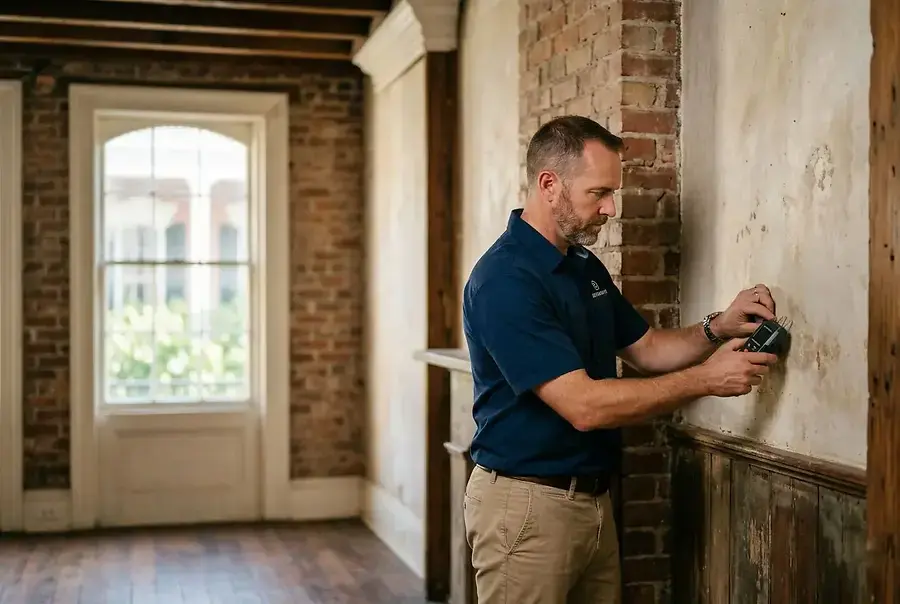
Introduction: Why Home Inspections Matter in New Orleans
Purchasing a home in New Orleans is an exciting milestone, but it comes with unique challenges that buyers in other regions may not face. The city's distinctive climate, historic architecture, and environmental factors make thorough home inspections absolutely critical. A professional home inspection can reveal hidden problems that could cost thousands of dollars to repair, protecting your investment and giving you peace of mind before closing the deal.
New Orleans' subtropical climate, combined with its proximity to water and unique soil conditions, creates specific vulnerabilities that standard inspections in other areas might overlook. Whether you're buying a charming Creole cottage in the French Quarter or a modern home in the suburbs, understanding what inspectors look for can help you make informed decisions.
Understanding the Home Inspection Process for New Orleans Properties
What to Expect During a Professional Inspection
A comprehensive home inspection typically lasts two to four hours and covers all major systems and components of the property. The inspector will examine:
- Structural integrity and foundation
- Roof condition and drainage systems
- Plumbing and water systems
- Electrical systems and safety
- HVAC systems and ventilation
- Interior and exterior walls
- Insulation and moisture barriers
In New Orleans, inspectors pay extra attention to moisture-related issues, as the humid climate and frequent rainfall can lead to mold, rot, and water damage. You should always be present during the inspection to ask questions and understand the inspector's findings firsthand.
Choosing the Right Inspector
Not all home inspectors are created equal. When selecting an inspector for your New Orleans property, verify they are:
- Licensed and certified by the Louisiana State Board of Home Inspectors
- Experienced with older homes and historic properties
- Knowledgeable about local climate-related issues
- Insured and bonded
- Willing to provide detailed written reports
Ask for references from recent clients and don't hesitate to interview multiple inspectors before making your decision. The small investment in finding the right professional can save you from costly mistakes.
Common Issues Found in New Orleans Homes and How to Address Them
Water Damage and Moisture Problems
Water intrusion is the most common issue in New Orleans homes due to heavy rainfall and high humidity levels. Look for signs of:
- Staining on ceilings and walls
- Soft or spongy wood in attics and crawl spaces
- Musty odors indicating mold growth
- Peeling paint or wallpaper
- Rust stains on metal components
Address water damage immediately, as it can compromise structural integrity and create health hazards. Ensure proper drainage systems, functioning gutters, and adequate ventilation throughout the home.
Foundation and Structural Issues
New Orleans' unique soil composition—primarily clay and silt—can cause foundation settling and shifting over time. During inspection, look for:
- Cracks in foundation walls or floors
- Uneven or sloping floors
- Doors and windows that don't close properly
- Gaps between walls and ceilings
Minor settling is normal in older homes, but significant structural issues require professional assessment and may need costly repairs. Have a structural engineer evaluate any major concerns before proceeding with your purchase.
Roof and Attic Concerns
The intense sun and frequent storms in New Orleans take a toll on roofing materials. Common issues include:
- Missing or damaged shingles
- Inadequate ventilation leading to heat buildup
- Improper flashing around chimneys and vents
- Deteriorated wood framing
A well-maintained roof is essential in New Orleans. Budget for roof replacement or repairs if the inspector identifies significant wear, and ensure proper attic ventilation to prevent moisture accumulation.
Electrical and Plumbing Systems
Older New Orleans homes often have outdated electrical systems that may not meet current safety standards. Watch for:
- Aluminum wiring (a fire hazard)
- Insufficient grounding
- Outdated panel boxes
- Corroded copper pipes from high humidity
- Slow drains or water pressure issues
Upgrading these systems is an investment in safety and functionality. Factor potential electrical and plumbing updates into your budget when making an offer.
Pest and Termite Damage
The warm, humid climate makes New Orleans attractive to termites, carpenter ants, and other pests. The inspection should specifically address:
- Evidence of termite tunnels or damage
- Carpenter ant infestations
- Rodent droppings or entry points
- Wood rot that attracts pests
If pest damage is discovered, obtain a separate pest inspection and treatment estimate before finalizing your purchase.
Conclusion: Using Inspection Results to Make Confident Purchasing Decisions
A thorough home inspection is your opportunity to understand exactly what you're buying and what investments may be needed. Don't skip this critical step, and don't let inspection results discourage you—instead, use them as a negotiating tool.
After receiving the inspection report, you can:
- Request repairs from the seller
- Negotiate a lower purchase price
- Obtain repair estimates for budget planning
- Walk away if issues are too severe
New Orleans real estate offers unique charm and character, but it requires informed decision-making. By understanding the inspection process, knowing what to look for, and working with experienced professionals, you'll protect your investment and ensure your new home is a solid foundation for your future in this vibrant city.
Remember: A home inspection isn't an expense—it's insurance for one of the biggest purchases you'll ever make.


