Essential Home Inspection Tips for New Orleans Residential Buyers
Discover critical inspection findings that protect your investment and reveal hidden issues before you commit to your purchase.

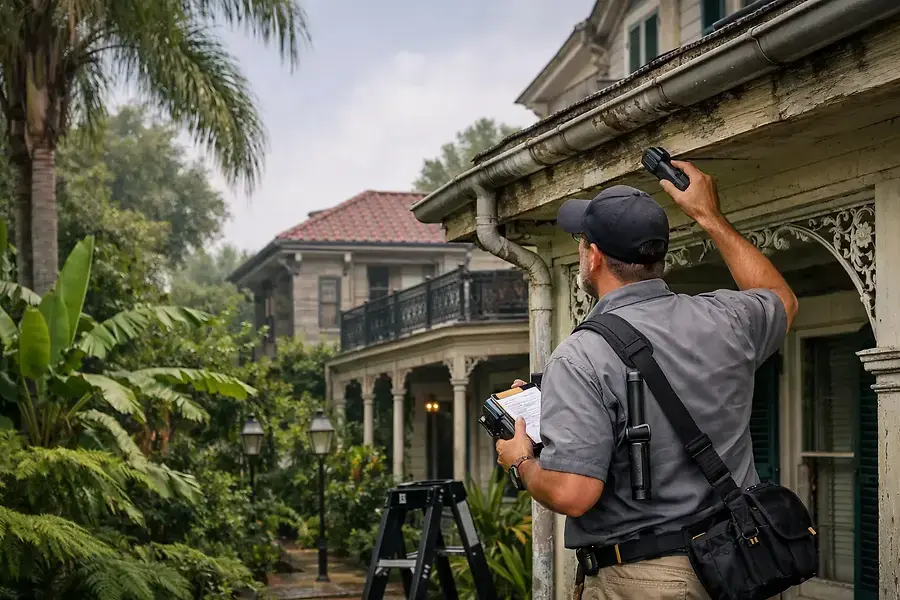
Why Home Inspections Matter in New Orleans' Unique Climate
Purchasing a home in New Orleans is an exciting investment, but it comes with unique challenges that buyers in other regions may never encounter. The city's subtropical climate, high humidity, and proximity to water create an environment where homes face distinct structural and environmental pressures. A thorough home inspection is not just a formality—it's your first line of defense against costly repairs and hidden damage.
New Orleans homes, whether historic Creole cottages or modern residences, require specialized knowledge to assess properly. The combination of moisture, temperature fluctuations, and soil conditions means that problems can develop quickly and silently. A professional inspection can reveal issues that could cost thousands to repair if left undetected. Before signing on the dotted line, understanding what inspectors look for in this unique environment is essential.
Common Inspection Red Flags in Historic and Modern New Orleans Properties
Water Damage and Moisture Issues
Water intrusion is the most common problem inspectors find in New Orleans homes. The city's high water table and heavy rainfall create persistent moisture challenges. Look for:
- Staining on ceilings and walls indicating roof leaks or water seepage
- Soft or spongy wood in attics, crawl spaces, and foundations
- Mold growth, which thrives in humid conditions
- Efflorescence (white mineral deposits) on basement walls
- Musty odors suggesting hidden moisture problems
Foundation and Structural Concerns
New Orleans' clay-based soil is notoriously unstable. Homes built on this foundation are susceptible to settling and shifting. Inspectors will look for:
- Cracks in foundation walls or concrete slabs
- Uneven floors or doors that don't close properly
- Gaps between walls and ceilings
- Bowing or leaning walls in basements or crawl spaces
Roof and Attic Problems
The intense sun and frequent storms in New Orleans take a toll on roofing materials. Inspectors examine:
- Missing, cracked, or curling shingles
- Deteriorated flashing around chimneys and vents
- Inadequate ventilation leading to heat buildup and moisture
- Signs of previous water damage in the attic
HVAC and Plumbing Systems
The constant humidity demands efficient air conditioning systems. Plumbing in older homes may use outdated materials prone to corrosion. Inspectors check:
- Age and condition of air conditioning units
- Proper drainage and condensation handling
- Galvanized or cast iron pipes that may need replacement
- Water pressure and flow rates
Pest and Termite Damage
New Orleans' warm climate is ideal for termites and other wood-destroying insects. A separate termite inspection is often recommended, but general inspectors will note:
- Evidence of termite tunnels or damage
- Carpenter ant infestations
- Rodent droppings or entry points
How to Choose a Qualified Inspector and Prepare for Your Inspection
Selecting the Right Inspector
Not all inspectors are created equal. When choosing an inspector for a New Orleans property, consider:
- Credentials: Look for inspectors certified by the American Society of Home Inspectors (ASHI) or Louisiana-specific certifications
- Experience: Choose someone with extensive experience inspecting homes in New Orleans and the surrounding area
- Specialization: Ask if they have experience with historic properties if you're buying an older home
- References: Request and contact previous clients to verify quality and thoroughness
- Insurance: Ensure they carry errors and omissions insurance
Preparing for Your Inspection
To get the most from your inspection, take these steps:
- Schedule the inspection as soon as your offer is accepted
- Plan to attend the inspection in person—this is your opportunity to ask questions
- Request access to all areas, including attics, crawl spaces, and basements
- Ask the inspector to explain findings in detail and take notes
- Request a written report within 24-48 hours of the inspection
Understanding the Inspection Report
A comprehensive inspection report should categorize findings by severity. Pay special attention to items marked as "major" or "safety concerns." These may include structural issues, electrical hazards, or significant water damage. Use this report as a negotiating tool with the seller—you may request repairs, credits, or price reductions based on the findings.
"A thorough inspection report is your roadmap to understanding the true condition of your potential home and making an informed decision about your investment."
Using Inspection Reports to Negotiate Better Deals and Avoid Costly Surprises
Once you have the inspection report in hand, you're in a stronger negotiating position. Use the findings strategically:
- Request repairs: Ask the seller to fix major issues before closing
- Negotiate credits: Request a credit toward closing costs to handle repairs yourself
- Renegotiate price: Use significant findings to justify a lower offer price
- Plan for future maintenance: Budget for repairs that aren't critical but will need attention soon
Don't ignore minor findings either. Small issues can compound in New Orleans' climate, turning into expensive problems. Prioritize repairs based on safety, structural integrity, and water protection.
A home inspection is an investment in peace of mind. In New Orleans' challenging climate, it's not just recommended—it's essential. By understanding what inspectors look for, choosing a qualified professional, and using the inspection report wisely, you can protect your investment and avoid costly surprises down the road.