Essential Home Inspection Tips for Southeast Michigan Buyers
Discover what professional inspectors look for in Oakland, Macomb, Livingston, and Wayne County homes to protect your investment.

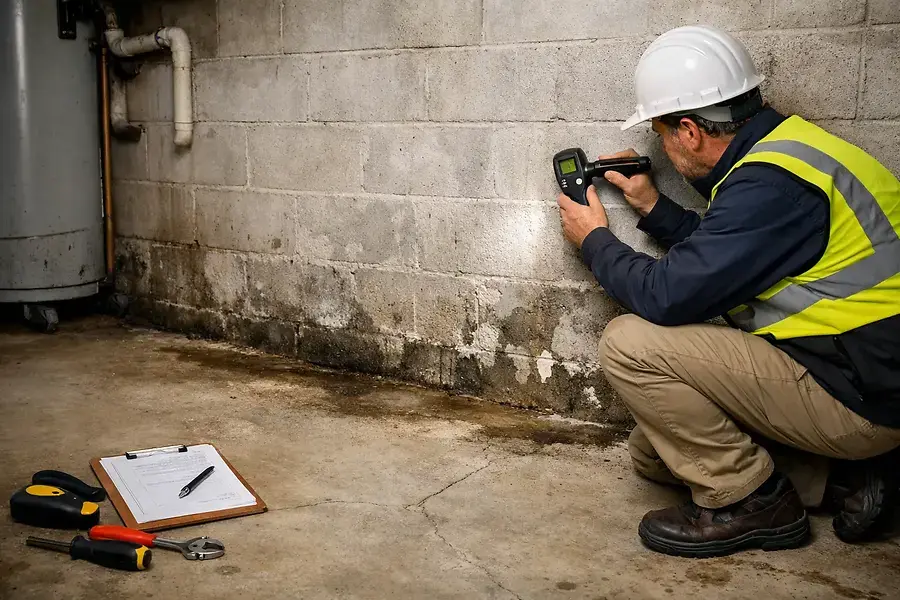
Why Home Inspections Matter in Southeast Michigan
Purchasing a home is one of the most significant financial decisions you'll make, and in Southeast Michigan's competitive real estate market, a thorough home inspection is your best defense against costly surprises. Whether you're buying in Oakland, Macomb, Livingston, or Wayne County, understanding what professional inspectors evaluate can help you make informed decisions and protect your investment.
Home inspections serve as a comprehensive evaluation of a property's condition, identifying potential issues before you commit to the purchase. In Southeast Michigan, where homes range from historic properties to newer developments, inspectors must be familiar with regional construction standards, climate-related wear and tear, and common issues specific to the area.
Key Areas Inspectors Evaluate in Local Homes
Foundation and Structural Integrity
Southeast Michigan's clay-heavy soil and freeze-thaw cycles make foundation issues particularly common. Professional inspectors carefully examine:
- Cracks in basement walls and floors
- Signs of water intrusion or moisture damage
- Settling or shifting of the structure
- Proper grading around the foundation
Why it matters: Foundation repairs can cost thousands of dollars, making this one of the most critical inspection areas in our region.
Roofing and Exterior
Michigan's harsh winters and variable weather patterns take a toll on roofing systems. Inspectors look for:
- Shingle condition and remaining lifespan
- Proper ventilation and attic conditions
- Flashing integrity around chimneys and vents
- Gutter functionality and drainage
- Siding damage or deterioration
A well-maintained roof is essential in Southeast Michigan, where snow load and ice dams are common winter concerns.
HVAC Systems
Heating and cooling systems are critical in Michigan's climate. Inspectors evaluate:
- Furnace age and operational efficiency
- Air conditioning unit condition
- Ductwork integrity and proper insulation
- Thermostat functionality
- Carbon monoxide detector presence
Plumbing and Water Systems
Water-related issues are among the most expensive to repair. Professional inspectors check:
- Pipe material and condition (galvanized, copper, PEX)
- Water pressure and flow
- Sump pump functionality
- Septic system condition (in non-municipal areas)
- Water heater age and performance
Electrical Systems
Older Southeast Michigan homes often have outdated electrical systems. Inspectors examine:
- Panel capacity and breaker condition
- Grounding and bonding
- Outlet and switch functionality
- Presence of aluminum wiring (common in 1960s-1970s homes)
- GFCI protection in wet areas
Red Flags Specific to Southeast Michigan Properties
Water Damage and Moisture Issues
Southeast Michigan's climate and soil conditions create ideal circumstances for water problems. Watch for:
- Efflorescence (white mineral deposits) on basement walls
- Musty odors indicating mold or mildew
- Staining on ceilings or walls
- Inadequate drainage systems or poor grading
Aging Infrastructure in Older Neighborhoods
Many Southeast Michigan communities feature homes built in the 1950s-1970s. Common issues include:
- Outdated wiring and electrical systems
- Asbestos in insulation, floor tiles, or roofing materials
- Knob-and-tube wiring
- Galvanized pipes prone to corrosion
Note: If asbestos is suspected, professional testing is essential before any renovation work begins.
Radon Exposure
Radon, a naturally occurring radioactive gas, is a concern in Michigan. Professional inspectors often recommend radon testing, particularly in basements. Elevated radon levels can be mitigated with proper ventilation systems.
Roof and Attic Concerns
Michigan winters are tough on roofs. Red flags include:
- Roof age exceeding 20-25 years
- Missing or damaged shingles
- Inadequate attic ventilation
- Ice dam damage or evidence of water backup
Septic System Issues
In Livingston and Macomb County areas with septic systems, inspectors evaluate:
- System age and maintenance records
- Drain field condition
- Signs of system failure or backup
- Proper distance from wells and property lines
Making Informed Decisions Before Closing
A professional home inspection provides you with detailed information about a property's condition. Here's how to use this information effectively:
Review the inspection report carefully. Don't just skim the summary—read through all findings and ask your inspector to explain any concerns in detail.
Prioritize issues by severity. Distinguish between minor cosmetic issues and major structural or safety concerns that require immediate attention.
Obtain repair estimates. For significant issues, get quotes from licensed contractors to understand the true cost of repairs.
Negotiate with the seller. Use inspection findings as leverage to request repairs, credits, or price reductions before closing.
Plan for future maintenance. Even minor findings should inform your long-term maintenance budget and planning.
Pro Tip: Attend the home inspection if possible. Walking through with the inspector allows you to ask questions and gain a deeper understanding of the property's condition and maintenance needs.
Investing in a thorough home inspection is one of the smartest decisions you can make as a Southeast Michigan homebuyer. By understanding what inspectors look for and recognizing region-specific red flags, you'll be better equipped to make an informed decision that protects your investment for years to come.