Essential Home Inspections for Anchorage Homebuyers: What You Need to Know
Learn what professional inspectors evaluate and how to protect your investment in Anchorage's competitive real estate market.

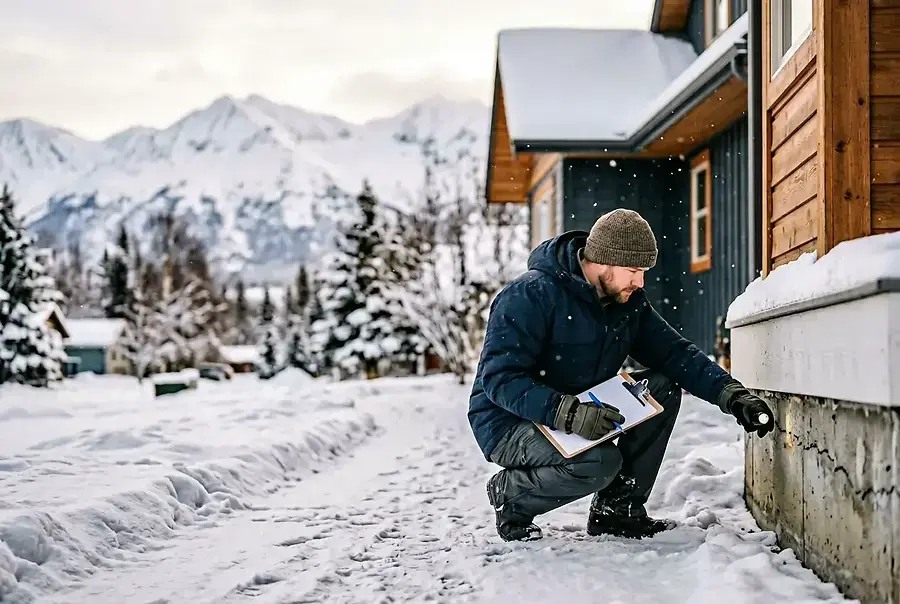
Why Home Inspections Matter in Anchorage
Purchasing a home is one of the most significant financial decisions you'll make, and in Anchorage's competitive real estate market, it's crucial to protect your investment. A professional home inspection is your opportunity to uncover potential issues before you commit to the purchase. Unlike a simple walkthrough, a comprehensive inspection examines the structural integrity, mechanical systems, and overall condition of the property.
In Anchorage, where extreme weather conditions and unique environmental factors can impact homes differently than in other regions, inspections take on added importance. A qualified inspector will identify problems that could cost thousands to repair later, from foundation issues caused by permafrost movement to plumbing complications from freeze-thaw cycles.
Critical Systems to Evaluate: Foundation, Plumbing, Electrical, and HVAC
Foundation and Structural Integrity
The foundation is the backbone of any home, and in Anchorage, it faces unique challenges. Inspectors will look for:
- Cracks and settling: Small cracks are normal, but larger ones may indicate serious problems
- Permafrost concerns: Ground movement from thawing permafrost can cause foundation shifts
- Moisture intrusion: Water damage in basements and crawl spaces is common in Alaska
- Proper drainage: Ensuring water flows away from the foundation
Plumbing Systems
Alaska's harsh winters make plumbing particularly vulnerable. Your inspector should evaluate:
- Pipe materials: Older homes may have outdated materials prone to freezing
- Water pressure and flow: Adequate pressure indicates healthy pipes
- Septic or municipal systems: Understanding your water source and waste management
- Insulation: Pipes in unheated areas must be properly protected
- Freeze protection: Heat tape and insulation effectiveness
Electrical Systems
A thorough electrical inspection ensures safety and functionality:
- Panel capacity: Whether the electrical panel can handle modern appliance demands
- Grounding and bonding: Critical safety features
- Outlet and switch functionality: Testing throughout the home
- Outdated wiring: Older homes may have aluminum wiring or knob-and-tube systems
- GFCI protection: Ground fault circuit interrupters in wet areas
HVAC Systems
Heating is essential in Anchorage, making HVAC inspection critical:
- Furnace age and condition: Older units may be inefficient or unsafe
- Ductwork integrity: Leaks reduce efficiency and increase heating costs
- Thermostat functionality: Proper temperature control
- Ventilation: Adequate fresh air intake and exhaust
- Maintenance history: Regular servicing extends system life
Seasonal Considerations: Alaska's Unique Climate Challenges
Permafrost and Ground Movement
Anchorage's location means many homes sit on or near permafrost. Inspectors will assess whether the home was built with proper pilings or foundation systems designed to accommodate ground movement. This is not a concern in all areas of Anchorage, but it's critical in affected neighborhoods.
Ice Damming and Roof Concerns
Heavy snow and ice buildup can cause significant damage. Your inspector will examine:
- Roof condition and age
- Attic ventilation and insulation
- Gutters and downspouts
- Signs of previous ice dam damage
Weatherization and Insulation
Proper insulation is essential for energy efficiency and comfort. Inspectors check attic insulation levels, wall insulation, and weatherstripping around doors and windows. Poor insulation can lead to astronomical heating bills and frozen pipes.
Moisture and Mold Issues
Alaska's climate can create moisture problems. Inspectors look for signs of mold, mildew, and water damage, particularly in basements, crawl spaces, and around windows.
Taking Action: How to Use Inspection Results in Your Purchase Decision
Understanding the Report
A professional inspection report will categorize issues by severity. Major defects require immediate attention, while minor issues may be acceptable depending on your comfort level and budget.
Negotiating Repairs or Credits
Once you receive the inspection report, you have several options:
- Request repairs: Ask the seller to fix major issues before closing
- Negotiate credits: Receive a credit toward closing costs to handle repairs yourself
- Renegotiate price: Adjust the purchase price based on repair costs
- Walk away: If issues are too significant, you may have an inspection contingency
Planning for Future Maintenance
Even if the inspection reveals no major problems, use it as a roadmap for future maintenance. Understanding your home's systems helps you budget for upcoming repairs and replacements. Many inspectors provide maintenance recommendations that can extend the life of your home's critical systems.
Getting a Second Opinion
For significant issues, consider hiring a specialist. If the inspector flags foundation concerns, hire a structural engineer. For electrical problems, consult a licensed electrician. These specialists can provide detailed assessments and repair estimates.
"A home inspection is not just about finding problems—it's about making an informed decision. In Anchorage's real estate market, knowledge is power."
Final Thoughts
Home inspections are an investment in your peace of mind and financial security. By understanding what inspectors evaluate and how to use their findings, you'll be better equipped to make a confident decision about your Anchorage home purchase. Don't skip this critical step—your future self will thank you.


