Essential Home Inspections for Ann Arbor Buyers: Protect Your Investment
Discover the critical inspection steps that protect your investment and reveal hidden issues before you commit to your Ann Arbor purchase.

Why Home Inspections Matter in Ann Arbor's Competitive Market
Buying a home in Ann Arbor is one of the most significant financial decisions you'll make. With the competitive real estate market in this vibrant college town, it's easy to get caught up in the excitement and rush through the buying process. However, skipping or minimizing a professional home inspection could cost you thousands of dollars in unexpected repairs and hidden problems.
A thorough home inspection serves as your safeguard against purchasing a property with undisclosed defects. In Ann Arbor's older neighborhoods, many homes were built decades ago and may have aging systems that require attention. An experienced inspector can identify issues that aren't visible to the untrained eye, giving you the information you need to make an informed decision.
Home inspections provide you with:
- A detailed assessment of the property's structural integrity
- Information about the condition of major systems like plumbing, electrical, and HVAC
- Documentation of safety concerns that need immediate attention
- Leverage for negotiations with the seller
- Peace of mind before closing on your investment
What to Expect During a Professional Home Inspection
The Inspection Process
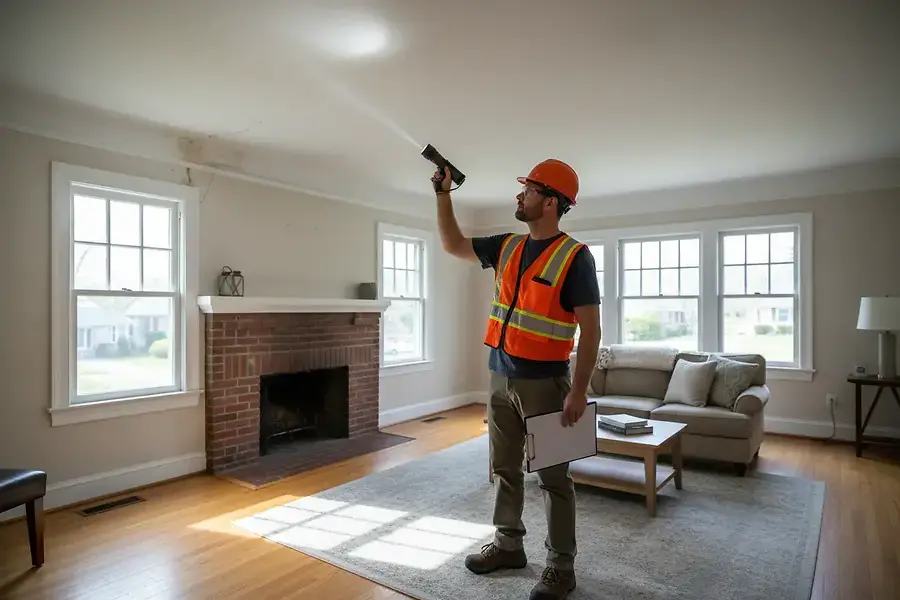
A professional home inspection typically lasts between two to four hours, depending on the size and age of the property. The inspector will systematically examine every accessible area of the home, from the foundation to the roof. You should plan to be present during the inspection so you can ask questions and learn about the property firsthand.
The inspector will evaluate the condition of:
- Structural components: Foundation, walls, floors, and roof structure
- Roofing: Shingles, flashing, gutters, and drainage systems
- Exterior: Siding, windows, doors, and grading
- Plumbing: Water supply, drainage, fixtures, and water heater
- Electrical: Panel, wiring, outlets, and safety devices
- HVAC: Heating, cooling, and ventilation systems
- Interior: Walls, ceilings, floors, and built-in appliances
The Inspection Report
After the inspection, you'll receive a comprehensive written report detailing the inspector's findings. This report categorizes issues by severity, from minor cosmetic concerns to major structural problems. The report becomes your roadmap for negotiations and future maintenance planning.
Pro tip: Review the report carefully and don't hesitate to ask your real estate agent or inspector to clarify any findings or recommendations.
Common Issues Found in Ann Arbor Properties and How to Address Them
Aging Roofs and Water Damage
Many Ann Arbor homes feature older roofing systems that may be nearing the end of their lifespan. Roof replacement is a significant expense, often ranging from $8,000 to $15,000 or more. During inspection, look for missing shingles, curling, or signs of water damage in the attic. If the roof is aging, you can negotiate for a credit toward replacement or request that the seller replace it before closing.
Foundation and Basement Issues
Ann Arbor's clay soil and freeze-thaw cycles can create foundation challenges. Inspectors look for cracks, bowing walls, and water intrusion in basements. Minor cracks may be cosmetic, but larger cracks or signs of active water damage require professional evaluation and repair. This is a critical area to address before purchase.
Outdated Electrical Systems
Older homes may have outdated electrical panels or aluminum wiring, which can pose safety hazards. Modern homes should have adequate grounding and circuit capacity. If issues are found, budget for electrical upgrades, which can range from a few hundred to several thousand dollars depending on the extent of work needed.
Plumbing and Water Quality
Aging plumbing systems may contain galvanized pipes that are prone to corrosion or even lead pipes in very old homes. Water testing can reveal quality issues. Budget for potential pipe replacement or water treatment systems if problems are identified.
HVAC System Age
Heating and cooling systems typically last 15-20 years. If the system is near the end of its life, factor replacement costs into your offer. A new HVAC system can cost $5,000 to $10,000, so this is important information for your decision-making process.
Asbestos and Lead Paint
Homes built before the 1980s may contain asbestos in insulation, floor tiles, or roofing materials. Homes built before 1978 likely have lead-based paint. While these materials aren't always dangerous if undisturbed, they require professional remediation if renovation is planned. Request specialized testing if you suspect these hazards.
Using Inspection Results to Negotiate and Protect Your Investment
Once you have the inspection report, you have several options:
- Request repairs: Ask the seller to fix major issues before closing
- Negotiate credits: Request a credit toward closing costs to handle repairs yourself
- Renegotiate price: Use significant findings to justify a lower purchase price
- Walk away: If major issues exceed your comfort level or budget, you can terminate the purchase
The inspection contingency in your purchase agreement protects your right to back out if serious problems are discovered. This is why having a professional inspection before committing to the purchase is essential.
Remember: A home inspection is an investment in your peace of mind and financial security. The cost of an inspection (typically $300-$500) is minimal compared to the potential savings from discovering major issues early.
By taking home inspections seriously and using the results strategically, you protect your investment and ensure you're making a well-informed decision about your Ann Arbor home purchase. Don't let the competitive market pressure you into skipping this critical step—your future self will thank you.


