Essential Home Inspections for Central Massachusetts Homebuyers
Discover what to look for during inspections to protect your investment in Fitchburg, Leominster, Gardner, and surrounding towns.

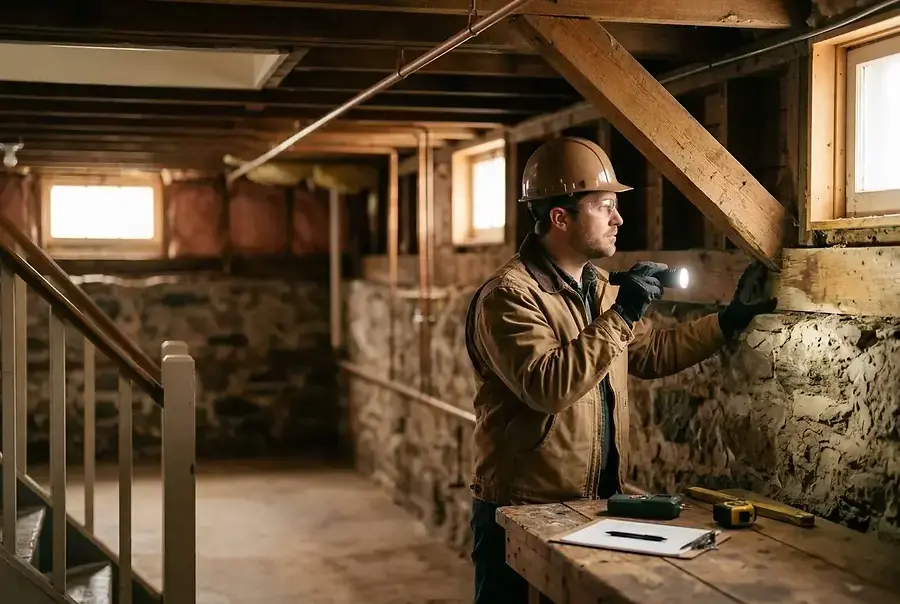
Why Home Inspections Matter in Central Massachusetts
Purchasing a home is one of the most significant investments you'll make in your lifetime. In Central Massachusetts communities like Fitchburg, Leominster, and Gardner, many homes have substantial history and character. However, older properties come with unique challenges that require thorough evaluation. A comprehensive home inspection is your opportunity to uncover potential issues before committing to the purchase, potentially saving thousands of dollars in unexpected repairs.
Home inspections serve as your protection against costly surprises. An experienced inspector will examine the property's structural integrity, mechanical systems, and overall condition. This detailed assessment provides you with the information needed to make an informed decision and negotiate repairs or price adjustments with the seller.
Key Areas to Evaluate During Your Home Inspection
Foundation and Structural Components
The foundation is the backbone of any home. During your inspection, look for cracks in the foundation, water damage, and signs of settling. In Central Massachusetts, where many homes were built decades ago, foundation issues are not uncommon. Inspectors should examine basement walls, crawl spaces, and the overall structural support system. Foundation repairs can be expensive, so identifying problems early is crucial.
Roofing and Exterior
The roof protects everything beneath it. Your inspector should evaluate:
- Roof age and remaining lifespan
- Missing or damaged shingles
- Flashing around chimneys and vents
- Gutters and downspout condition
- Exterior siding and trim for rot or damage
Central Massachusetts experiences significant seasonal weather changes, making a well-maintained roof essential. Replacement costs can range from several thousand to tens of thousands of dollars, depending on the roof's size and materials.
Plumbing Systems
Older homes in the region often have aging plumbing systems. Inspectors should check for water pressure, drainage issues, and pipe material. Many older Central Massachusetts homes still have galvanized pipes or even lead pipes, which may require replacement. Look for signs of leaks, corrosion, and water damage around fixtures and under sinks.
Electrical Systems
Electrical safety is paramount. Your inspector will evaluate the main panel, wiring, outlets, and grounding. Homes built before modern electrical codes may have outdated systems that don't meet current safety standards. Outdated electrical systems pose fire hazards and may not support modern appliance demands. Upgrading electrical systems can be a significant expense, so understanding the current state is essential.
Heating and Cooling Systems
Central Massachusetts winters are cold, making heating systems critical. Inspectors should assess:
- Furnace or boiler age and condition
- System efficiency and safety
- Air conditioning functionality
- Ductwork condition
- Thermostat operation
Replacing a heating system can cost $5,000 to $15,000 or more, so understanding its remaining lifespan is valuable information.
Insulation and Ventilation
Energy efficiency matters, especially in New England. Your inspector should evaluate attic insulation, wall insulation, and ventilation systems. Proper insulation helps maintain comfortable temperatures and reduces energy bills. Inadequate insulation is common in older homes and can be upgraded relatively affordably.
Common Issues Found in Older Central Massachusetts Homes
Water Damage and Moisture Problems
Water intrusion is one of the most frequent issues in older Central Massachusetts homes. Look for signs of water damage in basements, attics, and crawl spaces. Moisture problems can lead to mold growth, structural damage, and health concerns. Proper grading, functioning gutters, and sealed foundations are essential for keeping water out.
Asbestos and Lead Paint
Homes built before the 1980s may contain asbestos in insulation, floor tiles, and roofing materials. Similarly, homes painted before 1978 likely contain lead paint. While these materials aren't always dangerous if undisturbed, they require careful handling during renovations. Professional testing can identify these hazards, and proper remediation ensures safety.
Outdated Systems and Code Violations
Many older homes don't meet current building codes. Outdated electrical systems, inadequate ventilation, and unsafe stair railings are common findings. Understanding what upgrades may be required helps you budget for future improvements and ensures your home is safe for your family.
Pest Infestations
Termites, carpenter ants, and rodents can cause significant structural damage. Your inspector should look for evidence of pest activity, including:
- Wood damage or tunneling
- Droppings or nesting materials
- Entry points and gaps
Early detection prevents costly structural repairs down the road.
Chimney and Fireplace Issues
Many Central Massachusetts homes feature fireplaces and chimneys. These should be professionally inspected for creosote buildup, cracks, and proper draft. A damaged chimney poses fire and carbon monoxide risks and requires prompt attention.
Making Informed Decisions with Inspection Results
Once your inspection is complete, you'll receive a detailed report. Don't be alarmed if issues are found—most homes have some problems. The key is understanding the severity and cost of repairs. Work with your real estate agent and inspector to prioritize issues and determine which ones are deal-breakers versus manageable concerns.
Use inspection results to negotiate with the seller. You may request repairs, price reductions, or credits toward closing costs. Having a professional inspection gives you leverage and confidence in your negotiating position.
Remember, a home inspection is an investment in your peace of mind. In Central Massachusetts communities, where many homes have character and history, a thorough inspection ensures you're making a sound investment. Take time to understand the inspection report, ask questions, and plan for necessary repairs or upgrades. With this knowledge, you'll move forward with confidence in your new home purchase.


