Essential Home Inspections for Chesapeake Buyers: A Complete Guide
Discover the critical inspection points that protect your investment and prevent costly surprises in Chesapeake's competitive real estate market.

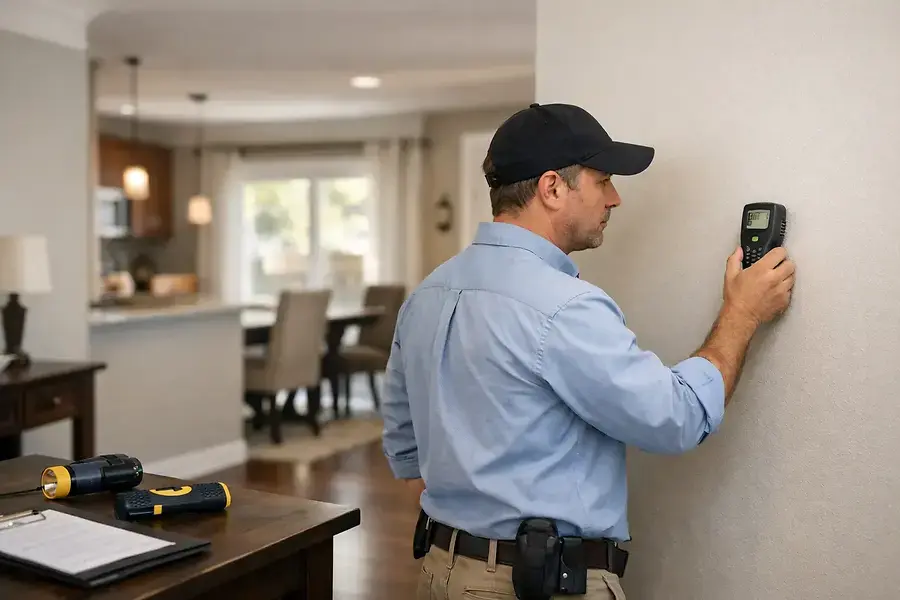
Understanding the Home Inspection Process in Chesapeake
Purchasing a home in Chesapeake is one of the most significant investments you'll make in your lifetime. A professional home inspection is your opportunity to uncover potential issues before you commit to the purchase. In Virginia's competitive real estate market, having a thorough inspection can mean the difference between a sound investment and a financial burden.
A standard home inspection typically lasts two to three hours and involves a certified inspector examining the property's structural components, systems, and overall condition. The inspector will provide a detailed report documenting their findings, which you can use to negotiate repairs, request credits, or make an informed decision about proceeding with the purchase.
Why Home Inspections Matter in Chesapeake
Chesapeake's unique climate and coastal proximity create specific challenges for homeowners. The combination of humidity, salt air, and seasonal weather patterns can accelerate wear on roofing, siding, and foundation structures. A qualified inspector familiar with the region understands these local factors and can identify issues that might not be apparent to the untrained eye.
Key Areas Inspectors Focus On in Virginia Homes
Structural Integrity and Foundation
The foundation is the backbone of any home. Inspectors examine the foundation for cracks, settling, water damage, and signs of structural movement. In Chesapeake, where soil composition and moisture levels vary, foundation issues are particularly important to assess. Look for horizontal cracks, bowing walls, or uneven floors—these are serious red flags.
Roofing and Exterior Systems
Your roof protects everything beneath it. Inspectors evaluate:
- Shingle condition and remaining lifespan
- Flashing around chimneys and vents
- Gutters and downspout functionality
- Siding integrity and water damage
- Windows and door seals
Chesapeake's weather patterns mean roofs experience significant stress. A roof nearing the end of its life could require replacement within a few years, representing a substantial expense.
Plumbing and Water Systems
Inspectors check water pressure, drainage, and the condition of pipes throughout the home. They'll identify:
- Outdated or corroded piping materials
- Water heater age and functionality
- Signs of leaks or water damage
- Septic system condition (if applicable)
- Well water quality (if applicable)
Water-related issues are among the most expensive to repair, making this inspection area critically important.
Electrical Systems
A thorough electrical inspection ensures your home meets current safety codes. Inspectors examine:
- Panel capacity and condition
- Grounding and bonding
- Outlet and switch functionality
- Presence of outdated wiring (like aluminum wiring)
- GFCI protection in wet areas
Electrical problems can be fire hazards, making this inspection essential for your family's safety.
HVAC Systems
Heating and cooling systems are vital in Chesapeake's climate. Inspectors assess the age, efficiency, and functionality of your furnace, air conditioning unit, and ductwork. An aging HVAC system may require replacement soon, which is a significant cost to factor into your decision.
Insulation and Ventilation
Proper insulation and ventilation affect energy efficiency and prevent moisture problems. Inspectors check attic insulation levels, ventilation adequacy, and signs of moisture or mold growth.
Red Flags and When to Negotiate or Walk Away
Major Concerns That Require Action
Foundation Problems: Significant cracks, bowing, or water intrusion in the foundation can cost $10,000 to $50,000+ to repair. These are serious issues that warrant professional structural assessment.
Roof Damage: If the roof is near the end of its lifespan or shows significant damage, expect replacement costs of $8,000 to $25,000 depending on size and materials.
Mold or Water Damage: Extensive mold or water damage indicates moisture problems that could affect your health and the home's structural integrity. These require professional remediation.
Electrical Hazards: Outdated wiring, improper grounding, or code violations pose safety risks and may require expensive updates.
When to Negotiate
Minor issues like worn caulking, small roof repairs, or cosmetic damage are reasonable items to negotiate. Request the seller provide credits or make repairs before closing. Document everything in writing.
When to Walk Away
If the inspection reveals multiple major issues or the cost of repairs exceeds your budget and the home's value, it may be time to walk away. Remember:
A home inspection contingency exists to protect you. Use it wisely.
Conclusion: Making Informed Decisions With Professional Guidance
A comprehensive home inspection is your best defense against costly surprises in Chesapeake's real estate market. By understanding what inspectors look for and recognizing red flags, you empower yourself to make informed decisions about your investment.
Always hire a certified, experienced inspector familiar with Virginia homes and Chesapeake's specific environmental challenges. Don't skip this critical step—the few hundred dollars spent on an inspection can save you thousands in unexpected repairs and provide peace of mind in your new home.
Your dream home should be a source of joy, not financial stress. Let a professional inspection guide you toward the right decision.


