Essential Home Inspections for Coastal Florida Beach Properties
Discover the critical inspection points every buyer should know before purchasing a home in Destin, Santa Rosa Beach, Rosemary Beach, Inlet Beach, or Miramar Beach.

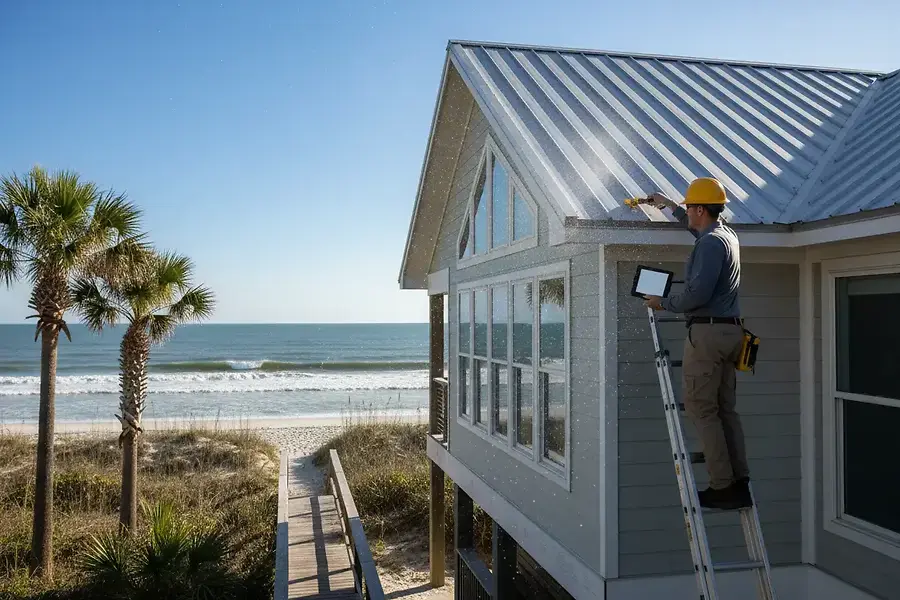
Introduction: Why Coastal Home Inspections Are Different
Purchasing a home in coastal Northwest Florida—whether in Destin, Santa Rosa Beach, Rosemary Beach, Inlet Beach, or Miramar Beach—is a dream for many. However, beachfront and near-beach properties face unique environmental challenges that inland homes simply don't encounter. The combination of salt spray, high humidity, intense UV exposure, and hurricane-force winds creates a demanding environment that can accelerate wear and tear on structures.
A standard home inspection may not adequately address these coastal-specific concerns. That's why buyers in these premium beach communities need to understand what specialized inspections reveal and which areas demand extra scrutiny. Investing time in thorough inspections now can save you thousands in unexpected repairs and ensure your coastal sanctuary remains protected for years to come.
Key Inspection Areas Specific to Northwest Florida Coastal Homes
Roof and Exterior Materials
Your roof is your first line of defense against coastal elements. Inspectors should examine:
- Shingle condition and salt corrosion – Look for premature deterioration, missing shingles, or granule loss
- Metal flashing integrity – Check for rust, gaps, or improper sealing around vents and chimneys
- Wind damage indicators – Evidence of previous hurricane or storm damage that may have been inadequately repaired
- Gutter systems – Ensure they're properly sloped, securely fastened, and free from corrosion
Foundation and Structural Integrity
Coastal properties require careful foundation assessment due to salt water intrusion, shifting sand, and moisture infiltration. Inspectors should evaluate:
- Pilings and support systems – Verify they're properly installed and show no signs of deterioration or settling
- Concrete and masonry – Check for salt-induced corrosion, spalling, or efflorescence (white salt deposits)
- Moisture barriers – Confirm proper installation and effectiveness in preventing water intrusion
- Structural cracks – Distinguish between minor settling and serious structural concerns
Windows, Doors, and Sealing
Coastal properties need superior weather protection. Inspectors should verify:
- Impact-resistant windows and doors – Confirm they meet current hurricane codes and are properly installed
- Caulking and weatherstripping – Check for deterioration, gaps, or inadequate sealing
- Sliding glass door tracks – Ensure they're free from salt corrosion and function smoothly
- Proper installation – Verify flashing and sealing prevent water intrusion during storms
HVAC and Mechanical Systems
Salt air accelerates corrosion of mechanical equipment. Inspectors should examine:
- Air conditioning units – Check for salt corrosion on condenser coils and metal components
- Ductwork sealing – Verify proper insulation and sealing to prevent moisture infiltration
- Refrigerant lines – Inspect for corrosion and proper installation
- Regular maintenance records – Request documentation of professional servicing
Plumbing and Water Systems
Salt water intrusion and corrosion are major concerns in coastal areas:
- Copper piping – Check for pinhole leaks caused by aggressive saltwater corrosion
- Water pressure and quality – Test for adequate pressure and any salt contamination
- Septic systems – Verify proper installation and distance from saltwater sources
- Backflow prevention – Ensure systems are in place to prevent contamination
Electrical Systems
Coastal humidity and salt air demand robust electrical infrastructure:
- Panel condition – Check for corrosion or moisture intrusion in the electrical panel
- GFCI outlets – Verify proper installation in bathrooms, kitchens, and outdoor areas
- Grounding systems – Confirm proper grounding for safety in high-humidity environments
- Wiring integrity – Look for signs of moisture damage or corrosion
Common Issues Found in Beachfront and Near-Beach Residences
Salt Spray Damage
Salt spray is the silent enemy of coastal properties. Even homes several blocks from the beach experience salt corrosion. This accelerates deterioration of metal components, paint, and exterior finishes. Regular inspections help identify early signs of salt damage before it becomes structurally significant.
Moisture and Mold Issues
The combination of high humidity and salt air creates ideal conditions for mold growth. Inspectors should look for:
- Visible mold or mildew on walls, ceilings, or in crawl spaces
- Musty odors indicating hidden moisture problems
- Water stains or discoloration suggesting past or present leaks
- Inadequate ventilation in bathrooms and kitchens
Hurricane and Storm Damage
Previous hurricane damage may have been repaired inadequately. Inspectors should verify that any repairs meet current building codes and were performed by licensed contractors. Never skip this step—improper repairs can compromise the entire structure's integrity.
Erosion and Foundation Settlement
Coastal erosion and shifting sand can cause foundation settling. Properties very close to the beach may experience accelerated erosion. Inspectors should assess the property's elevation relative to storm surge projections and evaluate any signs of foundation movement.
Outdated Building Systems
Older coastal properties may have systems that don't meet current hurricane codes. Upgrading to impact-resistant windows, reinforced doors, and modern HVAC systems may be necessary for both safety and insurance purposes.
Conclusion: Protecting Your Investment in Coastal Real Estate
Purchasing a home in Destin, Santa Rosa Beach, Rosemary Beach, Inlet Beach, or Miramar Beach represents a significant investment. The unique environmental challenges of coastal living demand specialized attention during the inspection process. By understanding these critical inspection areas and common coastal issues, you're better equipped to make an informed decision.
Don't settle for a standard inspection when buying coastal property. Hire inspectors with specific experience in beachfront and near-beach homes who understand the unique challenges of Northwest Florida's coastal environment.
A thorough inspection protects not just your financial investment, but also your family's safety and your peace of mind. Take the time to ask detailed questions, request specialized inspections when needed, and verify that any previous repairs meet current building codes. Your dream coastal home will be all the more enjoyable when you know it's been thoroughly vetted and properly maintained.