Essential Home Inspections for Connecticut Shoreline Property Buyers
Learn what coastal home inspectors look for and how to protect your waterfront investment.

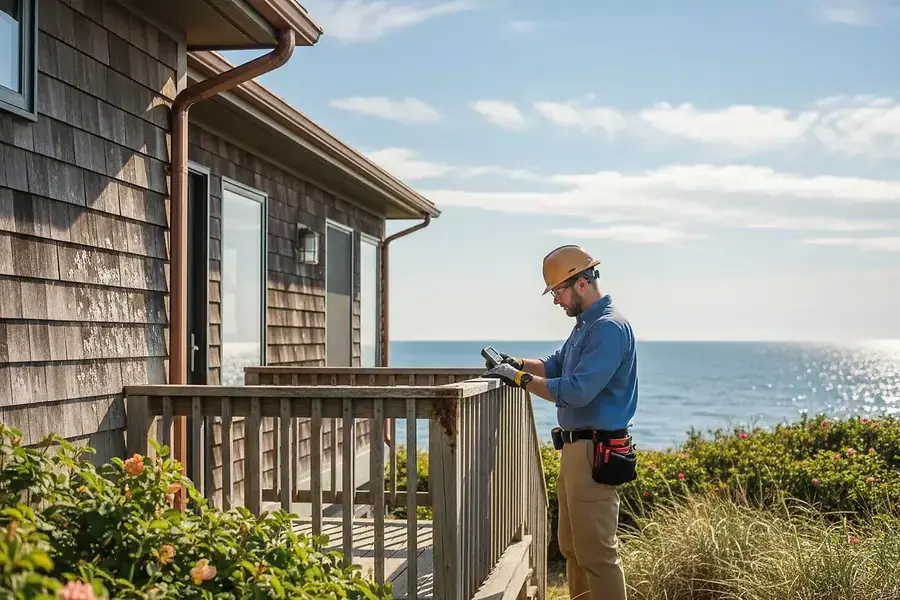
Why Coastal Homes Require Specialized Inspections
Purchasing a home along Connecticut's beautiful shoreline is a dream for many, but it comes with unique challenges that inland properties simply don't face. Coastal homes are exposed to harsh environmental conditions that can cause significant damage over time, making specialized inspections absolutely essential before making your purchase.
Unlike traditional home inspections, coastal property inspections require expertise in understanding how salt air, moisture, and proximity to water affect building materials and structural integrity. A standard home inspector may miss critical issues that could cost you tens of thousands of dollars in repairs down the road. This is why working with an inspector experienced in waterfront properties is not just recommended—it's crucial.
The stakes are higher when buying coastal real estate. Your investment is exposed to elements that accelerate deterioration at a much faster rate than inland homes. Understanding what inspectors look for and why can help you avoid costly surprises and protect your waterfront investment.
Understanding Salt Air and Moisture Damage in Shoreline Properties
The Impact of Salt Air on Building Materials
Salt air is one of the most destructive forces affecting coastal homes. The salt particles carried by ocean breezes penetrate deep into building materials, causing corrosion and degradation that can compromise the entire structure. This process, known as salt spray corrosion, affects metals, wood, concrete, and even paint at an accelerated rate compared to inland properties.
During a coastal home inspection, inspectors pay special attention to:
- Metal components: Railings, fasteners, HVAC systems, and electrical components corrode quickly in salt air
- Roofing materials: Metal roofs and flashing deteriorate faster and may need replacement sooner than expected
- Exterior wood: Decks, siding, and trim are particularly vulnerable to salt-induced decay
- Paint and coatings: Protective finishes break down more rapidly, requiring more frequent maintenance
Moisture Intrusion and Mold Concerns
Coastal properties face constant moisture exposure from humidity, salt spray, and proximity to water. This creates an ideal environment for mold growth and wood rot, both of which can pose serious health risks and structural concerns.
A thorough coastal inspection includes checking for:
- Water stains and discoloration on ceilings and walls
- Soft or spongy wood in structural areas
- Mold growth in attics, basements, and crawl spaces
- Inadequate ventilation that traps moisture
- Damaged or missing caulking around windows and doors
Moisture damage is often hidden behind walls and under flooring, which is why inspectors use specialized equipment like moisture meters and thermal imaging cameras to detect problems before they become catastrophic.
Key Structural and Foundation Issues Unique to Waterfront Homes
Foundation and Soil Stability
Waterfront properties face unique foundation challenges that inland homes never encounter. Soil near the shoreline is often unstable, with high water tables and shifting sand that can compromise foundation integrity. Additionally, freeze-thaw cycles in Connecticut winters can cause significant damage to foundations and concrete structures.
Inspectors examine:
- Foundation cracks and settlement patterns
- Drainage systems and their effectiveness
- Evidence of water intrusion in basements or crawl spaces
- Soil erosion around the property
- Pilings or support structures (for homes built on stilts or over water)
Flood Risk and Water Management Systems
Connecticut shoreline properties are at risk for flooding from storm surge, heavy rainfall, and high tides. A comprehensive coastal inspection includes assessment of flood risk and the condition of water management systems designed to protect the home.
Critical areas to inspect include:
- Sump pumps and their operational status
- Drainage systems and grading around the foundation
- Flood vents and their proper installation
- Elevation of utilities relative to flood risk zones
- Seawalls or bulkheads and their structural integrity
Mechanical Systems in Coastal Environments
HVAC systems, water heaters, and electrical systems all suffer accelerated wear in coastal environments. Salt air corrodes metal components, and moisture can damage electrical systems and create safety hazards.
Inspectors verify that mechanical systems are properly maintained and protected from the coastal environment. This includes checking for:
- Corrosion on outdoor HVAC units
- Proper grounding of electrical systems
- Water heater condition and corrosion resistance
- Plumbing materials suitable for coastal use
Making Informed Decisions Before Your Shoreline Purchase
Investing in a Connecticut shoreline property is exciting, but it requires diligence and expertise. Don't settle for a standard home inspection—insist on working with an inspector who specializes in coastal properties and understands the unique challenges these homes face.
Before making your purchase, ensure that your inspection covers all the specialized areas discussed above. Ask your inspector detailed questions about the property's condition, maintenance requirements, and potential future repairs. Request a comprehensive written report that documents all findings and recommendations.
A thorough coastal home inspection is an investment in your peace of mind and the long-term value of your waterfront property.
By understanding what coastal inspectors look for and why, you're taking an important step toward protecting your waterfront investment. The cost of a specialized inspection is minimal compared to the potential expenses of addressing hidden damage after purchase. Make your shoreline dream a smart investment by prioritizing a comprehensive, expert inspection.