Essential Home Inspections for Desert Properties in Nevada's Tri-Valley Region
What Pahrump, Amargosa Valley, and Sandy Valley buyers need to know before closing.

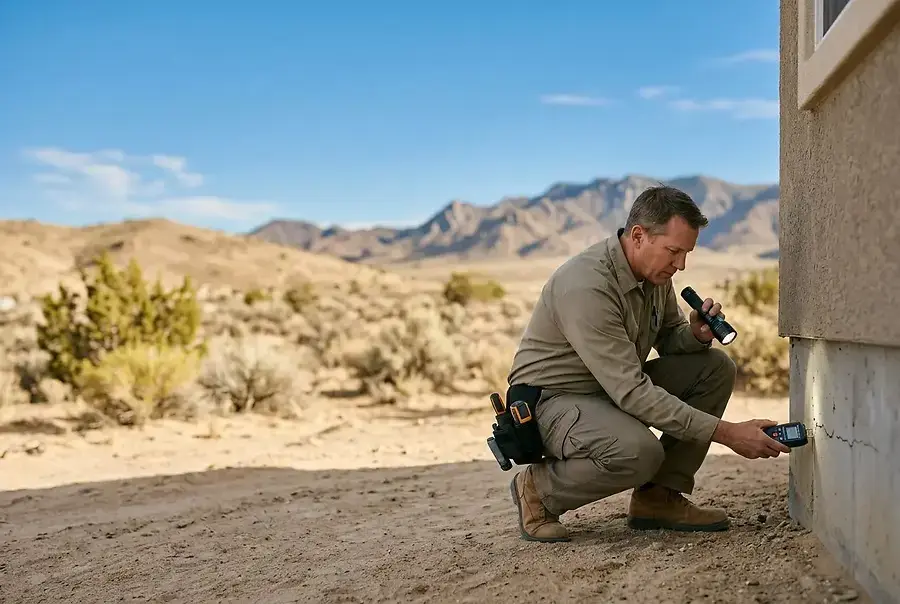
Understanding Desert-Specific Home Inspection Issues
Purchasing a home in Nevada's Tri-Valley region—including Pahrump, Amargosa Valley, and Sandy Valley—requires a different approach than buying property in more temperate climates. The harsh desert environment presents unique challenges that can significantly impact a home's structural integrity, safety, and long-term value. Understanding these desert-specific issues is crucial for any buyer considering an investment in this region.
The extreme temperature fluctuations, intense UV radiation, and low humidity create conditions that accelerate wear and tear on building materials. Additionally, the sparse vegetation and sandy soil composition can lead to foundation settling and erosion issues that are less common in other areas. Water scarcity in the desert also means that homes rely heavily on well systems and septic tanks, which require specialized inspection knowledge.
Key Areas to Inspect in Nevada Desert Homes
Foundation and Structural Integrity
Desert soil conditions are notoriously unstable, with sandy and silty compositions that shift and settle over time. During your inspection, pay close attention to:
- Visible cracks in the foundation, particularly those wider than 1/4 inch
- Uneven floors or doors that don't close properly
- Signs of settling or shifting in the structure
- Water damage or moisture intrusion in basements or crawl spaces
A qualified inspector should use specialized equipment to assess foundation stability and identify potential issues before they become costly problems.
Roofing and Exterior Protection
The intense desert sun and extreme temperature variations take a severe toll on roofing materials. Look for:
- Premature aging, fading, or brittleness of roofing materials
- Missing or damaged shingles and flashing
- Deterioration of sealants and caulking
- Proper ventilation to prevent heat buildup in attic spaces
Roof replacement in desert climates may be necessary more frequently than in other regions. Ensure you understand the current condition and expected lifespan of the existing roof.
HVAC and Cooling Systems
Air conditioning is not a luxury in the Tri-Valley desert—it's essential. The inspection should thoroughly evaluate:
- Age and efficiency of the air conditioning unit
- Proper refrigerant levels and system performance
- Ductwork integrity and insulation quality
- Thermostat functionality and programming capabilities
- Maintenance history and service records
A failing AC system in the desert can be dangerous and expensive to replace. Budget for potential upgrades or replacements when calculating your total purchase cost.
Water Systems and Well Inspection
Most homes in the Tri-Valley region depend on private wells rather than municipal water supplies. This requires specialized inspection:
- Well pump functionality and age
- Water pressure and flow rate testing
- Water quality analysis for contaminants and mineral content
- Proper well casing and cap installation
- Backup power systems for the pump
Water testing is absolutely critical in desert properties. High mineral content, arsenic, or other contaminants can affect both health and appliance longevity.
Septic System Evaluation
Septic systems are common in rural desert areas and require careful inspection:
- Tank integrity and proper installation depth
- Drain field condition and soil percolation rates
- Signs of system failure or backup
- Maintenance records and pumping history
- Distance from well systems to prevent contamination
Septic system repairs can be extremely expensive in desert areas where soil conditions are challenging.
Electrical and Plumbing Systems
Desert heat accelerates the deterioration of electrical insulation and can cause plumbing issues:
- Outdated wiring that may not handle modern electrical loads
- Proper grounding and safety switches
- Corrosion in copper pipes due to mineral-rich water
- Proper water heater sizing and condition
- Adequate pressure regulation throughout the system
Pest and Pest Damage Assessment
Desert properties face unique pest challenges, including termites, scorpions, and rodents. The inspection should identify:
- Evidence of termite activity or damage
- Rodent entry points and droppings
- Proper pest control barriers and treatments
- Gaps in exterior walls and foundation
Working with Local Inspectors in the Tri-Valley Area
Finding the Right Inspector
Not all home inspectors understand desert-specific issues. When selecting an inspector for your Pahrump, Amargosa Valley, or Sandy Valley property, ensure they have:
- Specific experience with desert properties in Nevada
- Knowledge of local building codes and regulations
- Certifications in well and septic system inspection
- Understanding of desert soil conditions and foundation issues
- Positive references from local real estate professionals
What to Expect During the Inspection
A comprehensive desert home inspection typically takes 3-4 hours and should include a thorough walkthrough of all accessible areas. You should attend the inspection personally to ask questions and understand the inspector's findings firsthand.
Request a detailed written report that includes photographs of any issues found, recommendations for repairs, and estimated costs when possible. This documentation will be valuable for negotiating repairs or credits with the seller.
Post-Inspection Negotiations
Once you have the inspection report, you have several options:
- Request the seller make repairs before closing
- Negotiate a credit toward closing costs
- Renegotiate the purchase price based on needed repairs
- Walk away from the deal if issues are too severe
In the desert market, understanding the true condition of a property gives you significant negotiating power.
Conclusion: Making Informed Decisions on Your Desert Home Purchase
Buying a home in Nevada's Tri-Valley region is an exciting opportunity, but it requires diligence and specialized knowledge. The desert environment presents unique challenges that can significantly impact your investment if not properly evaluated.
By understanding desert-specific inspection issues, knowing which areas require special attention, and working with experienced local inspectors, you can make an informed decision about your purchase. Never skip the home inspection—it's your best protection against costly surprises after closing.
Whether you're looking at a property in Pahrump, Amargosa Valley, or Sandy Valley, investing time in a thorough inspection now will save you money, stress, and potential safety issues down the road. Your dream desert home deserves the careful evaluation it requires.