Essential Home Inspections for DuPage County Residential Buyers
Learn the critical inspection checklist and warning signs that protect your investment in Aurora, Batavia, Elgin, Joliet, and surrounding communities.

Why Professional Home Inspections Matter in DuPage County
Purchasing a home is one of the most significant financial decisions you'll make in your lifetime. In DuPage County communities like Aurora, Batavia, Elgin, and Joliet, the residential real estate market is competitive and fast-paced. A professional home inspection serves as your safeguard, providing an objective assessment of a property's condition before you commit to the purchase.
Many homebuyers underestimate the importance of thorough inspections, viewing them as an optional expense. However, a comprehensive inspection can reveal hidden defects, structural issues, and system failures that could cost thousands of dollars to repair after closing. In older neighborhoods throughout DuPage County, where many homes were built decades ago, inspections are particularly crucial for identifying age-related wear and potential hazards.
A professional inspector acts as your advocate, examining every accessible component of the property and documenting findings in a detailed report. This information empowers you to make informed decisions, negotiate repairs with sellers, or walk away from problematic properties before signing the final paperwork.
What Home Inspectors Look For: Foundation, Systems, and Structural Issues
Foundation and Structural Integrity
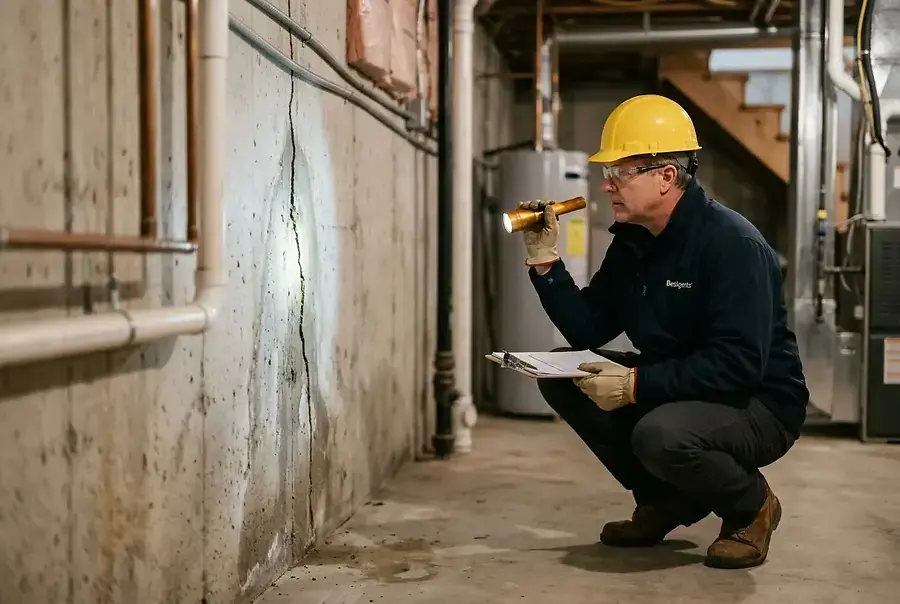
The foundation is the literal backbone of any home. Inspectors carefully examine foundations for cracks, settling, water damage, and signs of structural movement. In DuPage County, where soil composition varies across communities, foundation issues are not uncommon in older properties.
- Vertical cracks in basement walls or concrete
- Horizontal cracks indicating serious structural problems
- Water seepage or moisture in basements
- Evidence of previous repairs or patching
- Uneven floors or doors that don't close properly
Roofing and Exterior Systems
Your roof protects everything beneath it. Inspectors evaluate roof condition, age, and remaining lifespan. They also examine gutters, downspouts, siding, windows, and doors for damage or deterioration.
- Shingle condition and signs of wear or missing pieces
- Flashing integrity around chimneys and vents
- Gutter functionality and proper drainage
- Exterior wall condition and paint integrity
- Window and door seals and operation
Electrical Systems
Electrical safety is paramount. Inspectors test outlets, switches, and the main electrical panel to ensure the system meets current safety standards. Outdated wiring or overloaded circuits pose serious fire hazards and may require expensive upgrades.
- Panel capacity and breaker condition
- Proper grounding and bonding
- GFCI protection in wet areas
- Presence of aluminum wiring (common in older homes)
- Adequate outlet spacing and functionality
Plumbing and Water Systems
Water damage is one of the costliest issues homeowners face. Inspectors check water pressure, drainage, pipe materials, and water heater condition. They look for signs of leaks, corrosion, and outdated materials that may fail soon.
- Water pressure and flow rates
- Pipe materials and corrosion signs
- Water heater age and condition
- Drain functionality and blockages
- Evidence of previous leaks or water damage
HVAC Systems
Heating and cooling systems are essential for comfort and safety. Inspectors evaluate furnaces, air conditioners, and ductwork for proper operation and maintenance history. A failing HVAC system can cost $5,000 to $10,000 to replace.
- Furnace and air conditioner age and efficiency
- Proper ventilation and ductwork condition
- Thermostat functionality
- Carbon monoxide detector presence
- Regular maintenance records
Interior Components
Inspectors also examine insulation, ventilation, appliances, flooring, and interior walls for damage, mold, or pest infestation. They check for proper bathroom and kitchen ventilation to prevent moisture problems.
Interpreting Inspection Reports and Negotiating Repairs with Sellers
Understanding Your Inspection Report
A comprehensive inspection report can be lengthy and technical. Most reports categorize findings by severity: safety issues requiring immediate attention, major repairs needed soon, and minor maintenance items. Take time to review the report thoroughly and ask your inspector to explain any findings you don't understand.
Don't let a thick report overwhelm you—focus on major structural, electrical, plumbing, and safety issues first. Minor cosmetic issues are typically the buyer's responsibility.
Negotiation Strategies
Once you have the inspection report, you have several options:
- Request repairs: Ask the seller to fix significant issues before closing
- Request credits: Negotiate a price reduction to cover repair costs yourself
- Request inspections: Ask for specialized inspections (radon, mold, termites) if concerns arise
- Walk away: Use inspection findings to justify withdrawing your offer if issues are severe
In competitive DuPage County markets, sellers may be reluctant to make repairs. Be strategic about which issues you prioritize. Focus negotiations on items that affect safety, structural integrity, or major systems. Cosmetic issues and minor repairs are typically negotiated as price reductions rather than seller repairs.
Getting Specialized Inspections
If the general inspection reveals potential concerns, consider specialized inspections for radon, mold, termites, or asbestos. These targeted evaluations provide detailed information about specific hazards and help you make informed decisions about proceeding with the purchase.
Using Inspections to Make Confident Purchasing Decisions
A professional home inspection transforms the home-buying process from a leap of faith into an informed decision. Armed with detailed knowledge about a property's condition, you can negotiate effectively, budget for necessary repairs, and avoid costly surprises after closing.
In DuPage County communities, where properties range from historic homes to newer developments, inspections are invaluable tools for protecting your investment. Whether you're buying in Aurora's established neighborhoods, Batavia's charming areas, Elgin's diverse communities, or Joliet's growing market, a thorough inspection gives you the confidence to move forward or the clarity to seek a better property.
Remember: the inspection period is your opportunity to verify that the property matches the seller's claims and meets your expectations. Don't rush this critical step. Take time to understand the findings, consult with your real estate agent, and make decisions that protect your financial future.