Essential Home Inspections for Edgartown Property Buyers: A Complete Guide
Learn the critical inspection checkpoints that protect your investment in Edgartown's unique real estate market.

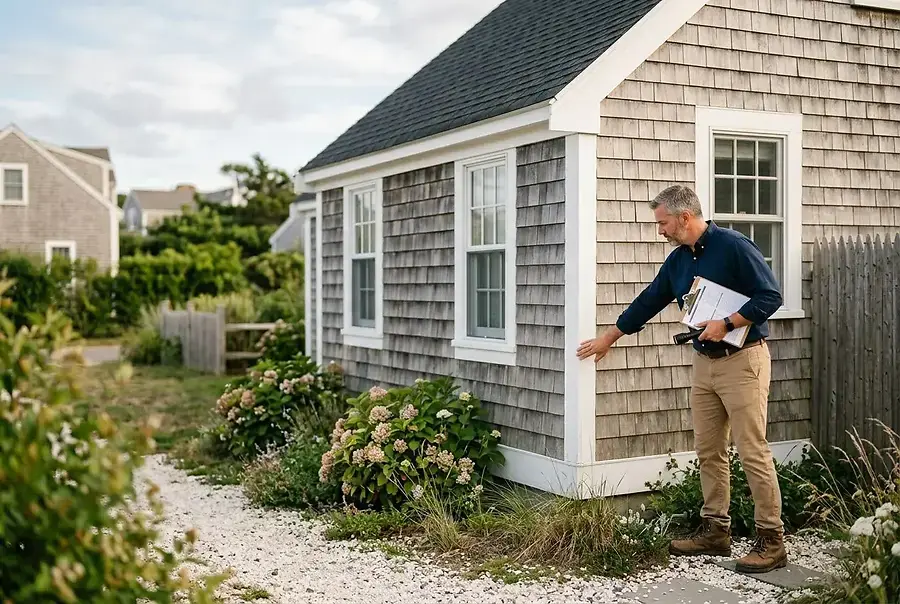
Why Home Inspections Matter in Edgartown
Purchasing a home in Edgartown is a significant investment, and one of the most critical steps in the buying process is the home inspection. Whether you're investing in a charming historic property or a modern coastal residence, a thorough inspection provides you with essential information about the condition of your potential purchase.
Edgartown's unique coastal location and architectural heritage mean that properties face specific environmental and structural challenges. A professional home inspection protects your investment by identifying potential issues before you commit to the purchase. This knowledge empowers you to negotiate repairs, request credits, or make informed decisions about proceeding with the sale.
Beyond the financial aspect, a comprehensive inspection gives you peace of mind. You'll understand exactly what you're buying and what maintenance or repairs may be needed in the coming years. This transparency is invaluable when making one of life's largest financial decisions.
Common Issues Found in Edgartown Properties
Moisture and Water Damage
Given Edgartown's coastal environment, moisture intrusion and water damage are among the most frequently encountered issues. Salt air and proximity to water create conditions that accelerate deterioration of building materials. Inspectors typically look for:
- Roof leaks and damaged shingles
- Foundation cracks and water seepage
- Compromised window and door seals
- Mold and mildew growth in basements and crawl spaces
- Rotting wood in decks, siding, and trim
Structural and Foundation Concerns
Older Edgartown homes, particularly those built decades ago, may have foundation issues related to settling, frost heave, or inadequate drainage. Inspectors examine foundation walls, basement conditions, and structural supports to identify any concerns that could affect the home's stability and longevity.
HVAC and Electrical Systems
Heating, ventilation, and air conditioning systems in coastal properties work harder due to environmental conditions. Electrical systems in older homes may be outdated or inadequate for modern demands. Inspectors evaluate:
- Furnace and boiler functionality and age
- Electrical panel capacity and safety
- Presence of outdated wiring or aluminum wiring
- Proper grounding and circuit protection
Plumbing Issues
Corroded pipes, outdated plumbing materials, and inadequate water pressure are common in older Edgartown properties. Hard water deposits and salt air corrosion can significantly impact plumbing longevity. Inspectors test water pressure, check for leaks, and assess the condition of visible pipes and fixtures.
Roof Condition
Edgartown's weather patterns, including nor'easters and salt spray, take a toll on roofing materials. A thorough roof inspection is essential to determine remaining lifespan and identify any damage that could lead to costly repairs or replacement.
What to Expect During Your Home Inspection
The Inspection Process
A professional home inspection typically lasts two to four hours, depending on the property's size and age. The inspector will systematically examine both interior and exterior components of the home. You should plan to attend the inspection to ask questions and gain firsthand knowledge about your potential purchase.
Areas Covered
A comprehensive inspection includes:
- Exterior: Roof, siding, foundation, drainage, and landscaping
- Interior: Walls, ceilings, floors, and visible structural elements
- Systems: Electrical, plumbing, HVAC, and water heating
- Appliances: Functionality of included appliances
- Safety: Smoke detectors, carbon monoxide detectors, and handrails
The Inspection Report
Following the inspection, you'll receive a detailed written report documenting findings. This report categorizes issues by severity—from minor cosmetic concerns to major structural problems requiring immediate attention. The report serves as your roadmap for negotiations and future maintenance planning.
Pro Tip: Review the inspection report carefully and don't hesitate to ask your inspector to clarify any findings. Understanding the details helps you make informed decisions about your purchase.
Next Steps After Inspection
Once you receive the inspection report, you have several options:
- Request repairs: Ask the seller to fix identified issues before closing
- Negotiate credits: Request a price reduction to cover repair costs yourself
- Request re-inspection: Have the inspector verify that repairs were completed properly
- Walk away: If major issues are discovered, you may have grounds to terminate the purchase agreement
Making Informed Decisions with Inspection Reports
The home inspection report is your most valuable tool in the buying process. Use it to understand the true condition of the property and make decisions based on facts rather than emotions or assumptions.
Consider the age of major systems and components. If the roof is nearing the end of its lifespan or the HVAC system is aging, budget for upcoming replacements. Understanding these timelines helps you plan financially for homeownership.
Don't overlook minor issues. While a loose shingle or caulking gap may seem insignificant, addressing small problems promptly prevents them from becoming major expenses. Preventive maintenance is always more cost-effective than emergency repairs.
Finally, remember that no home is perfect. Every property has some issues—the goal is to identify them and understand their implications. A thorough home inspection ensures you're making an informed investment in your Edgartown property, protecting both your financial interests and your future enjoyment of your new home.