Essential Home Inspections for Greater Boston Residential Buyers
What residential buyers need to know before closing on their property in the Boston metro area.

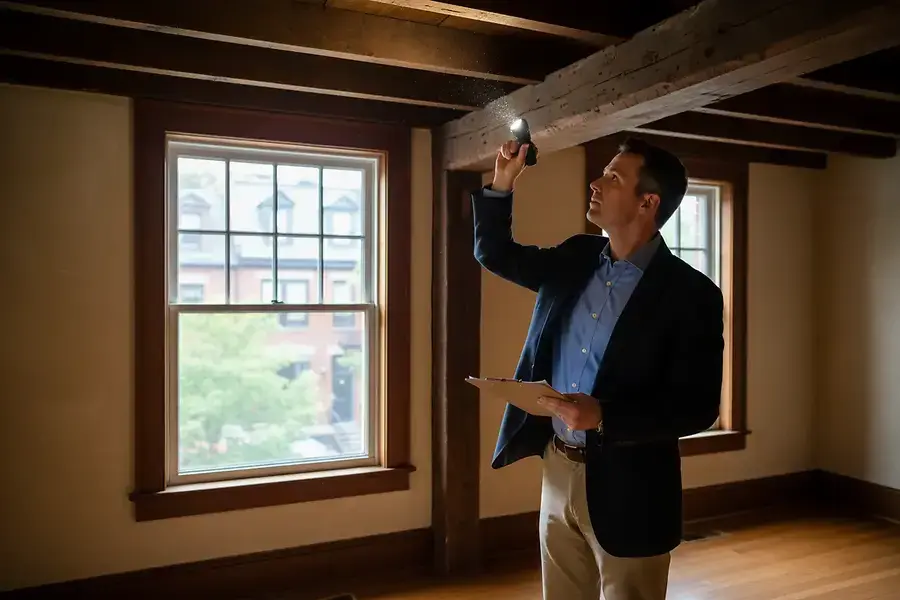
Introduction: Why Home Inspections Matter in Competitive Markets
In the Greater Boston real estate market, competition among buyers is fierce. Properties often receive multiple offers within days of listing, and the pressure to move quickly can be overwhelming. However, skipping or rushing through a home inspection is a costly mistake that could leave you with unexpected repairs and financial burdens after closing.
A professional home inspection is your opportunity to understand exactly what you're buying. It provides an objective assessment of the property's condition and identifies potential issues before you commit to the purchase. In a competitive market, this knowledge becomes your negotiating power—allowing you to request repairs, credits, or price adjustments based on concrete findings.
Home inspections are not optional; they are essential due diligence for any residential buyer. Whether you're purchasing a historic Victorian in Cambridge, a colonial in Newton, or a modern condo in Boston's Back Bay, understanding the condition of your investment protects your financial future.
Key Areas Inspectors Evaluate in Greater Boston Homes
Structural Integrity and Foundation
Greater Boston's older housing stock means many homes have foundation concerns. Inspectors examine foundations for cracks, water damage, and settling issues. They assess basement moisture, which is particularly common in the region due to heavy rainfall and high water tables. Foundation problems can be expensive to repair, making this evaluation critical.
Roofing and Exterior
New England weather is harsh on roofs. Inspectors evaluate roof age, condition, and remaining lifespan. They check for missing shingles, flashing issues, and signs of leaks. The exterior assessment includes siding, gutters, downspouts, and drainage systems—all crucial for protecting your home from water intrusion during Boston's snowy winters and rainy springs.
Heating Systems
Reliable heating is non-negotiable in Greater Boston. Inspectors test furnaces, boilers, and heat pumps to ensure they function properly. They assess the age of heating systems and estimate remaining useful life. An aging heating system may require replacement within a few years, which is an important consideration for your budget.
Plumbing and Water Systems
Older Boston homes often have outdated plumbing. Inspectors check for:
- Galvanized pipes (common in homes built before 1980, prone to corrosion)
- Polybutylene pipes (known for failure issues)
- Water pressure and flow rates
- Septic systems or sewer line conditions
- Water heater age and functionality
Water quality and plumbing reliability directly impact your daily living experience and long-term maintenance costs.
Electrical Systems
Electrical safety is paramount. Inspectors evaluate the main panel, wiring, outlets, and grounding. They identify outdated systems like knob-and-tube wiring or aluminum wiring, which pose fire hazards. Upgrading electrical systems can be costly, so understanding the current state is essential.
HVAC and Indoor Air Quality
Beyond heating, inspectors assess air conditioning systems, ventilation, and moisture control. They look for proper insulation, which affects energy efficiency and comfort. In Greater Boston's variable climate, adequate insulation and ventilation are critical for year-round comfort.
Pest and Moisture Issues
Termites, carpenter ants, and other pests are concerns in the region. Inspectors look for signs of infestation and damage. Moisture problems—including mold, rot, and water stains—are evaluated throughout the home, particularly in basements and crawl spaces.
Red Flags and How to Respond to Inspection Findings
Understanding the Inspection Report
A thorough inspection report categorizes findings by severity. Major issues require immediate attention and can significantly impact value. Minor issues are typically maintenance items. Understanding this distinction helps you prioritize your response.
Common Red Flags in Greater Boston Homes
Watch for these serious concerns:
- Foundation cracks or water intrusion: Can indicate structural problems or costly waterproofing needs
- Roof near end of life: Replacement costs $8,000-$15,000+ in the Boston area
- Outdated electrical systems: May require complete panel replacement ($3,000-$8,000)
- Plumbing issues: Galvanized or polybutylene pipes may need replacement ($5,000-$25,000)
- HVAC system failure: Furnace or boiler replacement can exceed $10,000
- Pest damage: Termite or carpenter ant damage requires professional remediation
Negotiation Strategies
After receiving inspection results, you have several options:
- Request repairs: Ask the seller to fix major issues before closing
- Request credits: Negotiate a credit toward closing costs to handle repairs yourself
- Request price reduction: Lower the purchase price to account for necessary repairs
- Walk away: If issues are too severe or costly, you can terminate the purchase
Your inspection contingency period is your window to negotiate. Work with your real estate agent and attorney to determine the best strategy based on market conditions and the severity of findings.
When to Get a Specialist
If the general inspection reveals concerns in specific areas, consider hiring specialists:
- Structural engineer for foundation issues
- Electrician for electrical system concerns
- Plumber for plumbing problems
- Pest control expert for infestation signs
- Mold specialist for moisture or mold concerns
Specialist inspections cost $300-$800 but provide detailed assessments that inform your negotiation strategy.
Conclusion: Using Inspection Results to Make Confident Offers
A comprehensive home inspection is your safeguard in the competitive Greater Boston real estate market. It transforms the buying process from an emotional decision into an informed one, backed by professional assessment and concrete data.
Don't let competitive pressure rush you through this critical step. Invest in a thorough inspection, carefully review findings, and use the results to negotiate confidently. Whether you're a first-time buyer or an experienced investor, understanding your property's true condition ensures you make a sound financial decision.
By prioritizing home inspections and responding strategically to findings, you protect your investment and move forward to closing with confidence. In Greater Boston's dynamic market, this due diligence isn't just recommended—it's essential.