Essential Home Inspections for Houston and Spring Homebuyers
Discover the critical inspection points that protect your investment in today's competitive Texas real estate market.

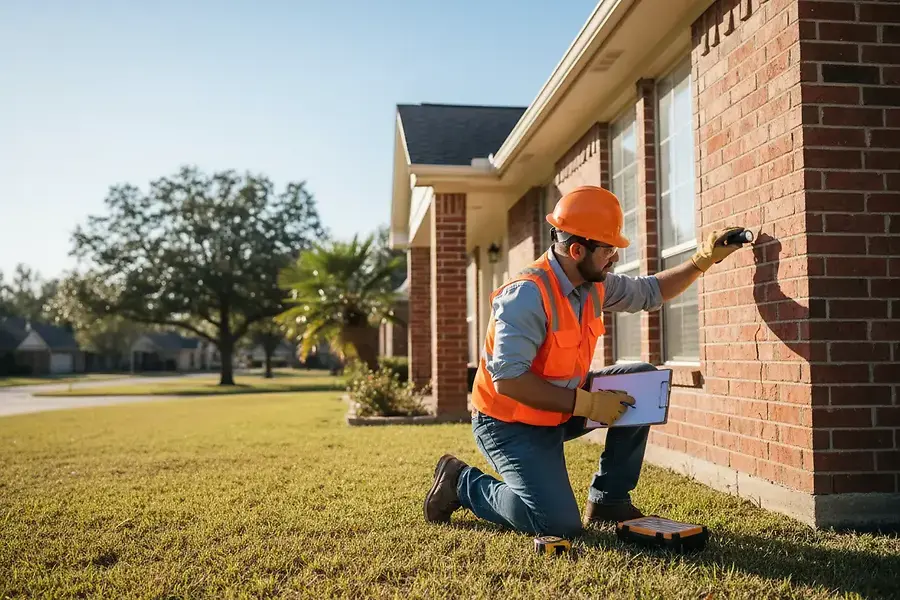
Why Home Inspections Matter for Houston and Spring Buyers
Purchasing a home is one of the most significant financial decisions you'll make in your lifetime. In the competitive Houston and Spring real estate markets, it's easy to get caught up in the excitement of finding your dream home and overlook one of the most critical steps: the professional home inspection. A thorough inspection can save you thousands of dollars in unexpected repairs and provide peace of mind about your investment.
Home inspections are particularly important in Texas, where the climate and environmental factors can take a toll on residential properties. From intense heat and humidity to occasional severe weather, Houston and Spring homes face unique challenges that require careful evaluation. A qualified inspector will identify potential issues before they become expensive problems, giving you the information needed to make an informed decision.
Key Areas to Inspect: Foundation, Roof, and HVAC Systems in Texas Homes
Foundation Inspection: The Backbone of Your Home
The foundation is arguably the most critical component of any home. In the Houston area, where soil composition and moisture levels can vary significantly, foundation issues are a common concern. During an inspection, professionals look for:
- Cracks and settling – Both horizontal and vertical cracks can indicate serious problems
- Water damage and moisture intrusion – Signs of poor drainage or water seepage
- Uneven floors – May indicate foundation movement or settling issues
- Gaps between walls and floors – A red flag for structural problems
Texas soil, particularly in the Spring area, can expand and contract with moisture changes, putting stress on foundations. A professional inspector will assess whether any issues are cosmetic or require immediate attention.
Roof Inspection: Your Home's First Line of Defense
The roof protects everything beneath it, making its condition essential to evaluate. Texas summers are brutal, and roofs bear the brunt of intense UV exposure and occasional hail damage. Inspectors will examine:
- Shingle condition – Look for missing, curled, or damaged shingles
- Flashing integrity – Ensures water doesn't seep into joints and seams
- Gutters and downspouts – Must properly direct water away from the foundation
- Attic ventilation – Proper airflow prevents moisture buildup and extends roof life
- Age of the roof – Most roofs last 15-25 years depending on materials and maintenance
A roof replacement can cost $10,000 or more, making this inspection particularly valuable for budget planning.
HVAC Systems: Critical for Texas Comfort
In Houston and Spring, where air conditioning is essential for most of the year, a functioning HVAC system is non-negotiable. Inspectors evaluate:
- Age and maintenance history – Older units may need replacement soon
- Cooling and heating capacity – Ensures the system is appropriately sized for the home
- Ductwork condition – Leaks reduce efficiency and increase utility costs
- Refrigerant levels – Low levels indicate leaks or improper maintenance
- Thermostat functionality – Should accurately control temperature
A new HVAC system can cost $5,000-$15,000, so understanding the current system's condition is crucial for financial planning.
Understanding Inspection Reports and Red Flags
What to Look for in Your Inspection Report
A comprehensive inspection report should be detailed and easy to understand. It typically includes:
- Photographs of problem areas
- Descriptions of each system inspected
- Identified defects and their severity levels
- Recommendations for repairs or further evaluation
- Estimated costs for major repairs when applicable
Don't skip reading the report carefully. Many homebuyers make the mistake of only glancing at the summary. The detailed findings are where you'll discover important information about your potential investment.
Major Red Flags to Take Seriously
While minor issues are normal in any home, certain findings warrant serious consideration:
- Structural damage – Foundation cracks, bowing walls, or severe settling
- Mold or water damage – Indicates moisture problems that can affect health and property value
- Outdated electrical systems – Aluminum wiring or insufficient grounding poses safety risks
- Plumbing issues – Corroded pipes or inadequate water pressure
- Pest infestation – Termites or other pests can cause extensive damage
- Roof near end of life – Plan for replacement costs in your budget
When red flags appear, don't panic. Instead, use this information to negotiate repairs or credits with the seller, or decide whether the property is worth the investment.
When to Request a Second Opinion
If the inspection report reveals significant issues, consider hiring a specialist for a more detailed evaluation. For example, a structural engineer can assess foundation concerns, or a roofing contractor can provide a detailed roof assessment. These additional inspections typically cost $300-$500 but can provide valuable clarity on major issues.
Making Informed Decisions with Professional Inspection Guidance
A professional home inspection is an investment in your future. In the Houston and Spring markets, where competition is fierce and properties can vary widely in condition, this step is essential. The inspection report gives you leverage in negotiations and helps you understand what you're truly purchasing.
Remember: No home is perfect. The goal of an inspection isn't to find a flawless property—it's to identify issues so you can make an informed decision. Whether you choose to negotiate repairs, request credits, or walk away, you'll do so with confidence and knowledge.
By prioritizing a thorough home inspection and carefully reviewing the findings, you're taking a crucial step toward protecting your investment and ensuring your new Texas home is a sound financial decision for years to come.


