Essential Home Inspections for Kailua-Kona and Waikoloa Properties
What every buyer needs to know before closing on their Big Island home purchase.

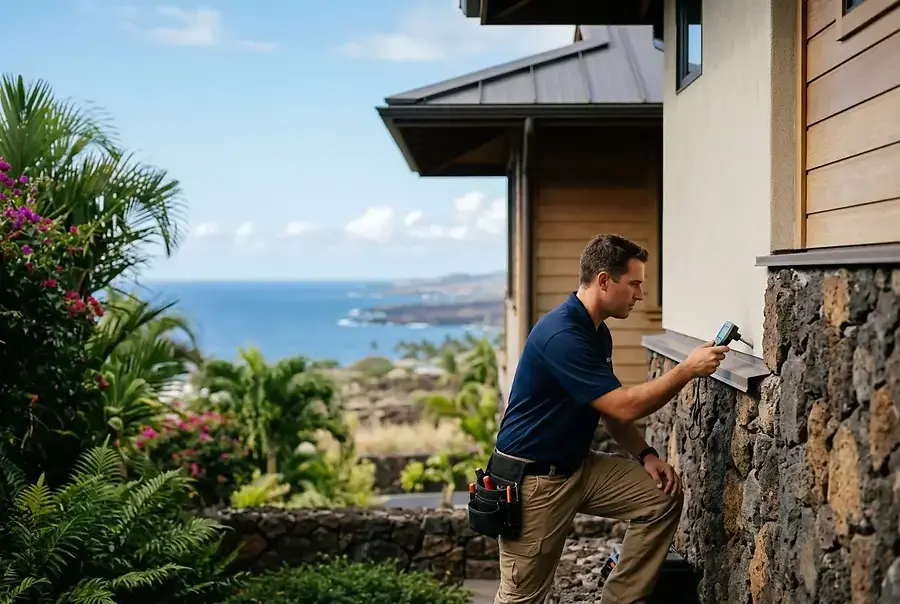
Understanding the Unique Climate Challenges of Kailua-Kona and Waikoloa Inspections
Purchasing a home on Hawaii's Big Island is an exciting investment, but properties in Kailua-Kona and Waikoloa face unique environmental challenges that mainland homes simply don't encounter. The volcanic landscape, intense sun exposure, salt-laden ocean air, and occasional extreme weather conditions create a distinctive set of inspection priorities that every buyer must understand.
Unlike traditional mainland markets, Big Island homes require specialized knowledge to properly evaluate their condition. The combination of lava rock terrain, corrosive salt air, and tropical humidity means that standard inspection checklists often miss critical issues specific to this region. Understanding these challenges before your inspection will help you ask the right questions and identify potential problems early.
Key Areas to Focus On: Lava Rock Foundations, Salt Air Corrosion, and Plumbing Systems
Lava Rock Foundations and Structural Concerns
Many properties in Kailua-Kona and Waikoloa are built on lava rock foundations, which presents unique structural considerations. While lava rock is incredibly durable, it can be porous and uneven, potentially leading to foundation settling or water infiltration issues over time. During your inspection, pay close attention to:
- Cracks in concrete slabs or foundations
- Uneven flooring or doors that don't close properly
- Water stains or moisture in basements or crawl spaces
- Evidence of previous foundation repairs or reinforcement
Your inspector should specifically evaluate how the home was anchored to the lava rock and whether proper drainage systems are in place to manage water runoff during heavy rains.
Salt Air Corrosion and Metal Deterioration
The proximity to the ocean means that salt air corrosion is a constant concern for Big Island properties. This corrosive environment accelerates the deterioration of metal components, including:
- Roofing materials and metal flashing
- HVAC systems and air conditioning units
- Electrical components and wiring
- Plumbing fixtures and water heaters
- Metal railings, gates, and outdoor structures
During your inspection, examine all exposed metal surfaces for rust, discoloration, or corrosion. Ask your inspector about the age of major systems and whether they've been treated with corrosion-resistant coatings. Properties closer to the coast will experience more severe salt air effects, so location matters significantly.
Plumbing Systems and Water Quality
Big Island plumbing systems face distinct challenges due to the volcanic terrain and water composition. Many properties rely on well water rather than municipal systems, which requires additional testing and maintenance considerations. Key plumbing inspection points include:
- Water quality testing for minerals, pH levels, and contaminants
- Condition of water heaters and their resistance to mineral buildup
- Pipe materials and their susceptibility to corrosion
- Septic system functionality and soil compatibility
- Water pressure and flow rates throughout the property
Request a comprehensive water quality report as part of your inspection. Hard water and mineral-rich volcanic water can cause significant plumbing issues if the home isn't properly equipped with filtration or softening systems.
Working with Local Inspectors Who Know the Region's Building Standards
The Importance of Regional Expertise
This cannot be overstated: hire an inspector with specific experience in Kailua-Kona and Waikoloa properties. A general home inspector from the mainland may not understand the nuances of Big Island construction, local building codes, or the specific environmental stressors that affect homes in this region.
Local inspectors understand:
- Hawaii's unique building codes and permit requirements
- How properties are typically constructed to withstand volcanic terrain
- Common issues specific to lava rock foundations and salt air environments
- Local contractor standards and repair practices
- Seasonal weather patterns and their impact on home maintenance
Questions to Ask Your Inspector
Before hiring an inspector, ask about their experience with Big Island properties. Inquire about their familiarity with lava rock foundations, salt air corrosion, and local building standards. A qualified inspector should be able to discuss specific challenges they've encountered in Kailua-Kona and Waikoloa and explain how these factors influence their inspection process.
Request references from recent clients and verify that they hold appropriate Hawaii state licensing. Don't hesitate to ask detailed questions about their methodology and how they address region-specific concerns.
Negotiating Repairs and Next Steps After Your Inspection Report
Understanding Your Inspection Report
Once you receive your inspection report, take time to thoroughly review it with your inspector. Ask for clarification on any findings, particularly regarding severity levels and recommended timelines for repairs. Not all issues require immediate attention, and understanding which problems are critical versus cosmetic will help guide your negotiation strategy.
Repair Negotiation Strategies
After receiving your inspection report, you have several options:
- Request seller repairs: Ask the seller to complete critical repairs before closing
- Negotiate a price reduction: Reduce the purchase price to account for repair costs you'll handle
- Request repair escrow: Have funds held in escrow to ensure repairs are completed properly
- Accept as-is: Proceed without repairs if issues are minor or manageable
For Big Island properties, prioritize repairs related to structural integrity, water intrusion, and major system functionality. Salt air corrosion issues and cosmetic concerns may be less urgent, though they should still be addressed within a reasonable timeframe.
Moving Forward with Confidence
A thorough inspection specific to Big Island conditions protects your investment and provides peace of mind. Use your inspection report as a tool to make informed decisions about your purchase and to plan for future maintenance. Remember that many issues common to Kailua-Kona and Waikoloa properties are manageable with proper care and timely maintenance.
By understanding the unique challenges of your region, working with knowledgeable local professionals, and carefully reviewing your inspection findings, you'll be well-equipped to make a confident decision about your Big Island home purchase.


