Essential Home Inspections for Lake Oswego Buyers: Complete Guide
Discover the critical inspection points that protect your investment and reveal hidden issues before you commit to your Lake Oswego purchase.

Understanding the Home Inspection Process in Lake Oswego
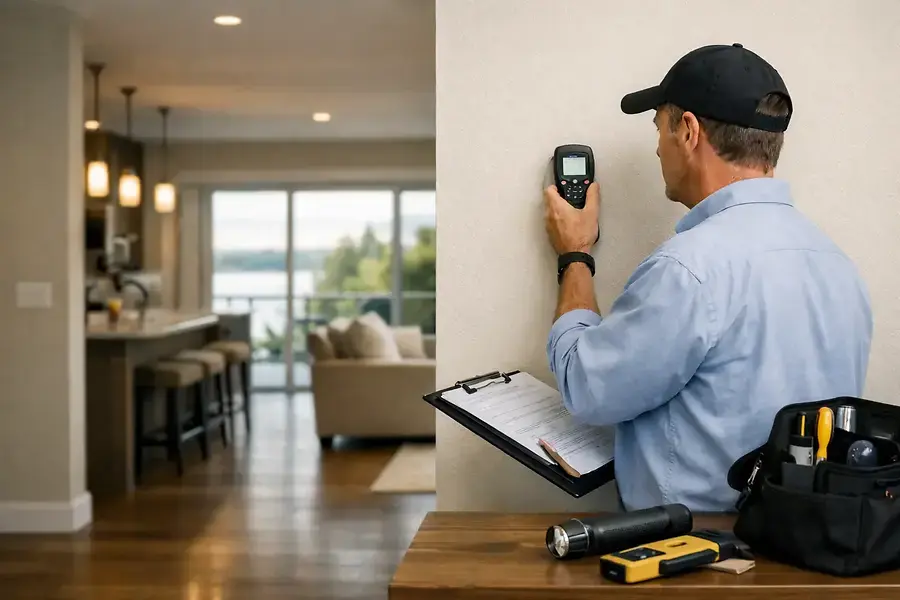
Purchasing a home in Lake Oswego is one of the most significant investments you'll make in your lifetime. A professional home inspection is your first line of defense against costly surprises and hidden defects. The inspection process typically takes three to four hours and involves a thorough examination of the property's structural integrity, systems, and overall condition.
In Lake Oswego, licensed home inspectors follow industry standards and local building codes to evaluate residential properties. Before scheduling an inspection, ensure your inspector is certified and carries liability insurance. The inspection report will become a crucial document in your negotiation process and future homeownership journey.
What to Expect During the Inspection
A qualified inspector will walk through every accessible area of the home, documenting findings with photographs and detailed notes. You're encouraged to accompany the inspector and ask questions about their observations. This hands-on approach helps you understand the property's condition and learn about maintenance requirements.
Key Areas Inspectors Examine in Residential Properties
Structural Components
Inspectors evaluate the foundation, framing, and overall structural integrity of the home. In Lake Oswego's climate, foundation issues can develop due to soil conditions and moisture exposure. Look for signs of settling, cracks, or water damage that could indicate serious problems requiring professional remediation.
Roofing and Exterior
The roof is your home's primary defense against the elements. Inspectors assess shingle condition, flashing integrity, gutters, and downspouts. They'll also examine siding, windows, doors, and exterior caulking for gaps or deterioration. Lake Oswego's rainy climate makes proper drainage and weatherproofing essential.
Plumbing Systems
A thorough plumbing inspection checks water pressure, drainage, pipe materials, and water heater condition. Inspectors test fixtures throughout the home and look for leaks, corrosion, or outdated materials. Older homes may have galvanized pipes that require replacement, which can be a significant expense.
Electrical Systems
Inspectors examine the electrical panel, wiring, outlets, and switches for safety and code compliance. They verify proper grounding and identify any outdated or hazardous components. Homes with aluminum wiring or insufficient capacity for modern electrical demands may need upgrades.
HVAC and Mechanical Systems
The heating, ventilation, and air conditioning systems are evaluated for proper operation and maintenance. Inspectors check furnaces, heat pumps, air conditioning units, and ventilation systems. They'll note the age of equipment and estimate remaining lifespan to help you budget for future replacements.
Insulation and Ventilation
Proper insulation and ventilation are critical for energy efficiency and preventing moisture problems. Inspectors assess attic insulation levels, ventilation adequacy, and signs of moisture or mold. These factors directly impact your utility bills and indoor air quality.
Interior Conditions
Inspectors examine walls, ceilings, floors, and interior doors for damage, water stains, or structural issues. They look for signs of pest infestation, mold, or previous water damage. Bathrooms and kitchens receive special attention due to their vulnerability to moisture problems.
How to Interpret Inspection Reports and Negotiate Repairs
Understanding the Report
Home inspection reports typically categorize findings into three levels: safety concerns, major repairs, and minor maintenance items. Safety issues require immediate attention and may affect your decision to purchase. Major repairs involve significant expense but aren't necessarily deal-breakers. Minor items are maintenance tasks that can be addressed over time.
Prioritizing Issues
Not every finding in the inspection report requires negotiation. Focus on significant issues that affect safety, functionality, or structural integrity. Items like a failing roof, foundation problems, or electrical hazards should be addressed before closing. Cosmetic issues or routine maintenance can often be handled after purchase.
Negotiation Strategies
- Request repairs: Ask the seller to fix critical issues before closing
- Request credits: Negotiate a price reduction to cover repair costs yourself
- Request inspections: Hire specialists for major concerns to verify severity
- Walk away: If repairs are extensive, you may choose to withdraw your offer
Work with your real estate agent to develop a negotiation strategy based on comparable sales and repair estimates. Obtain written quotes from contractors for major repairs to support your negotiation position with concrete numbers.
Post-Inspection Steps
After receiving the inspection report, take time to review it thoroughly before responding to the seller. Consider hiring specialists for any areas of concern—a plumber for plumbing issues, an electrician for electrical problems, or a structural engineer for foundation concerns. These expert opinions provide clarity and strengthen your negotiating position.
Conclusion: Making Informed Decisions for Your Lake Oswego Home
A comprehensive home inspection is an invaluable investment in your Lake Oswego home purchase. By understanding the inspection process, knowing what inspectors examine, and learning how to interpret findings, you're equipped to make informed decisions that protect your investment.
Don't skip the inspection to save money—the insights gained far outweigh the inspection cost. Use the report as a negotiation tool and a roadmap for future maintenance. With proper due diligence, you'll move forward with confidence, knowing exactly what you're purchasing and what to expect from your new Lake Oswego home.


