Essential Home Inspections for Las Vegas Buyers: A Complete Guide
Learn what professional inspectors look for and how to protect your investment in Las Vegas real estate.

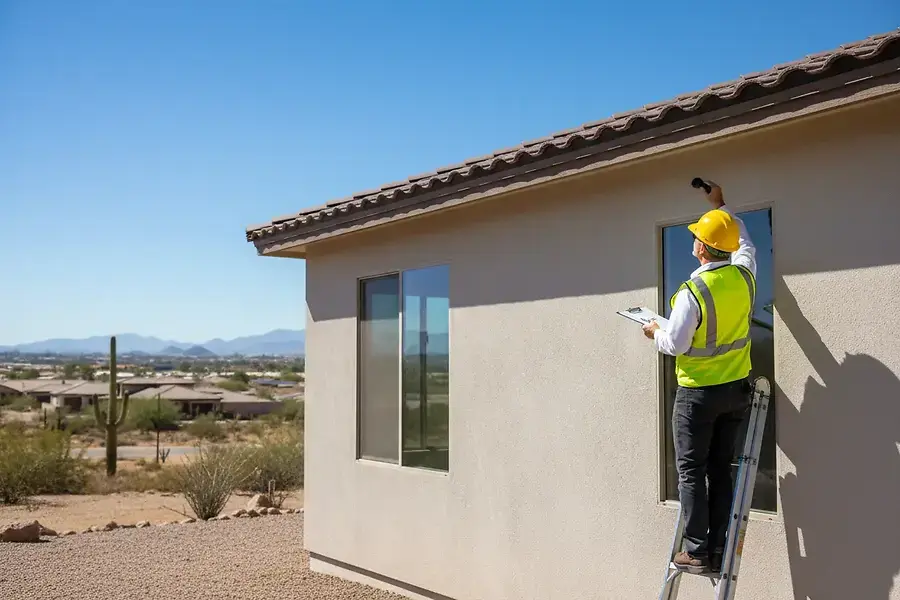
Understanding the Las Vegas Home Inspection Process
Purchasing a home in Las Vegas is one of the most significant investments you'll make. A professional home inspection is a critical step in protecting that investment. During a typical inspection, a certified inspector will spend 2-4 hours examining the property's structural integrity, mechanical systems, and overall condition.
The inspection process begins with a visual examination of the exterior, including the roof, foundation, and landscaping. The inspector then moves inside to evaluate the interior systems and structure. It's important to understand that a home inspection is not an appraisal—it's a detailed assessment of the property's condition that helps you make an informed purchasing decision.
Most inspections result in a comprehensive written report detailing findings, photographs, and recommendations. This report becomes a valuable tool for negotiations and future maintenance planning. Having this documentation protects you legally and financially throughout the home-buying process.
Key Areas Inspectors Focus On in Desert Climate Properties
Roof and Exterior Surfaces
Las Vegas's intense sun and heat create unique challenges for roofing materials. Inspectors pay special attention to:
- Shingle degradation and UV damage
- Flashing integrity around vents and chimneys
- Gutter condition and proper water drainage
- Signs of previous repairs or patches
The desert climate accelerates roof aging, so a roof inspection is particularly crucial in Las Vegas. Most roofs last 15-20 years in this region, compared to 20-25 years in cooler climates.
HVAC Systems and Air Conditioning
Your air conditioning system is essential in Las Vegas. Inspectors evaluate:
- Unit age and maintenance history
- Proper refrigerant levels
- Ductwork condition and sealing
- Thermostat functionality
- Filter accessibility and condition
A well-maintained AC system can last 15-20 years, but desert heat puts significant strain on these units. Budget for potential replacement costs if the system is approaching the end of its lifespan.
Foundation and Structural Elements
Desert soil conditions can affect foundations differently than other regions. Inspectors look for:
- Cracks in concrete or foundation walls
- Signs of settling or shifting
- Water damage or moisture intrusion
- Proper grading around the foundation
Las Vegas's expansive clay soils can cause foundation movement. Any significant cracks should be evaluated by a structural engineer before proceeding with your purchase.
Plumbing and Water Systems
Hard water is common in Las Vegas, affecting plumbing longevity. Inspectors examine:
- Water pressure and flow rates
- Pipe material and condition
- Water heater age and functionality
- Drainage system performance
- Evidence of leaks or corrosion
Older homes may have outdated piping that requires replacement. Understanding the plumbing system's condition helps you anticipate future maintenance needs.
Electrical Systems
A thorough electrical inspection includes:
- Panel capacity and condition
- Proper grounding and bonding
- GFCI outlet installation in wet areas
- Outdated wiring or safety hazards
- Adequate outlets and circuit distribution
Electrical issues can be serious safety concerns, so any problems identified should be addressed before closing.
Red Flags and How to Negotiate After Inspection Results
Common Issues Found in Las Vegas Homes
Certain problems appear frequently in Las Vegas properties due to the desert climate:
- Roof damage from sun exposure and heat
- AC system failures from overuse and age
- Foundation cracks from soil movement
- Water intrusion around windows and doors
- Outdated plumbing corroded by hard water
These issues aren't necessarily deal-breakers, but they require proper evaluation and budgeting.
Negotiation Strategies
After receiving the inspection report, you have several options:
- Request repairs: Ask the seller to fix identified issues before closing
- Request credits: Negotiate a price reduction to cover repair costs yourself
- Request inspections: Ask for specialized inspections (structural, electrical, pest) for major concerns
- Walk away: Use significant findings as justification to exit the purchase agreement
The key is using inspection data to make informed decisions rather than emotional ones. Document all findings and get repair estimates from licensed contractors to support your negotiations.
When to Get Specialized Inspections
Consider hiring specialists for:
- Structural engineers if foundation issues are suspected
- Pest control inspectors for termite and scorpion concerns
- Mold specialists if water damage is evident
- Pool inspectors for properties with swimming pools
These additional inspections cost $300-$800 each but provide expert assessment of specific concerns.
Conclusion: Making Informed Decisions with Inspection Data
A professional home inspection is your opportunity to understand exactly what you're purchasing. In Las Vegas's unique desert environment, understanding how climate-specific issues affect properties is essential for protecting your investment.
Don't skip the inspection or rush through the process. Attend the inspection if possible, ask questions, and request clarification on any findings. Use the inspection report as a negotiating tool and a roadmap for future maintenance.
By taking home inspections seriously and understanding what inspectors look for, you're making an informed decision that protects your financial investment and ensures your new Las Vegas home is safe and sound. This due diligence is the foundation of a successful real estate transaction.


