Essential Home Inspections for Los Angeles Residential Buyers
Discover the critical inspection points that protect your investment and prevent costly surprises in LA residential purchases.

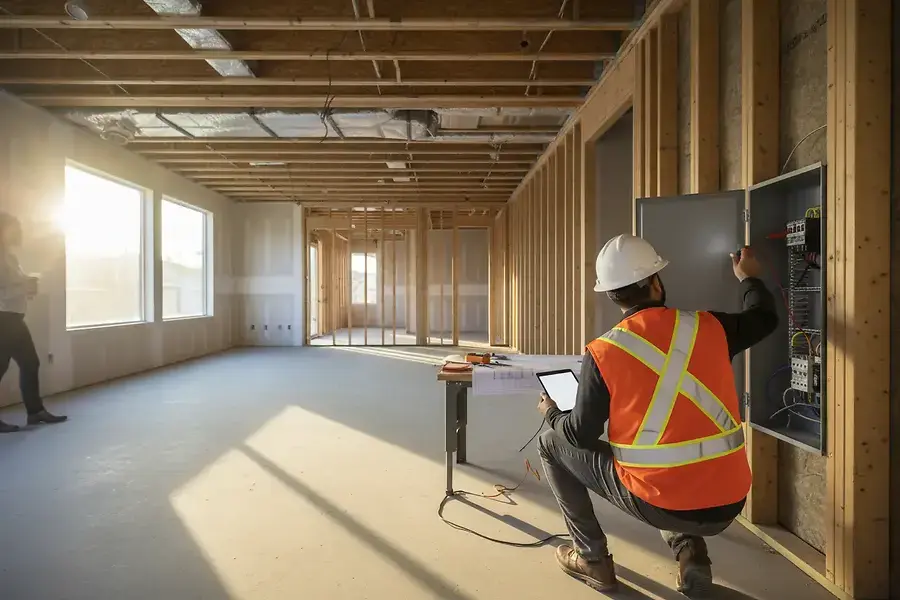
Understanding the Los Angeles Home Inspection Process
Purchasing a home in Los Angeles is one of the most significant financial decisions you'll make. A professional home inspection is your safeguard against inheriting expensive problems. The inspection process typically takes 2-4 hours and involves a licensed inspector examining the property's structural integrity, systems, and overall condition.
In California, home inspectors must be licensed and follow strict guidelines set by the state. During the inspection, the professional will document findings in a detailed report that becomes crucial for your negotiation strategy. Understanding what happens during this process helps you prepare questions and know what to expect.
What to Expect During Your Inspection
Most inspectors will provide you with a walkthrough of the property, explaining their findings as they go. You have the right to be present during the inspection, and it's highly recommended that you attend. This gives you the opportunity to ask questions directly and understand potential issues firsthand.
The inspector will use specialized tools and equipment to assess various systems. They'll take photographs and notes that will be compiled into a comprehensive report, typically delivered within 24-48 hours. This report becomes your reference document for any repairs or negotiations with the seller.
Key Areas Inspectors Examine in Southern California Homes
Structural Components and Foundation
Los Angeles homes face unique challenges due to the region's seismic activity and soil conditions. Inspectors pay special attention to foundation cracks, settling, and structural damage. They'll examine:
- Foundation integrity and signs of movement
- Cracks in walls and ceilings
- Proper grading around the foundation
- Evidence of water intrusion or moisture damage
Roof and Exterior
The Southern California climate can be harsh on roofing materials. Inspectors evaluate roof condition, age, and remaining lifespan. They also examine:
- Shingles or tile condition and wear
- Flashing around chimneys and vents
- Gutters and downspout functionality
- Exterior walls, siding, and paint condition
- Windows and doors for proper sealing
Plumbing and Water Systems
Water-related issues are among the most costly to repair. Inspectors test water pressure, check for leaks, and assess pipe materials. They'll examine:
- Water heater age and condition
- Visible pipes for corrosion or damage
- Drainage systems and potential clogs
- Presence of outdated materials like galvanized pipes
Electrical Systems
Electrical safety is paramount. Inspectors verify that the system meets current codes and can handle modern electrical demands. Key inspection points include:
- Panel capacity and condition
- Proper grounding and bonding
- GFCI outlets in wet areas
- Adequate number of outlets and circuits
HVAC and Climate Control
Los Angeles homes rely heavily on air conditioning. Inspectors assess heating and cooling systems for functionality and efficiency. They evaluate:
- Age and condition of AC and heating units
- Proper ductwork installation
- Thermostat functionality
- Filter accessibility and maintenance
Red Flags and How to Negotiate After Inspection Results
Common Red Flags in LA Properties
Water damage and mold are serious concerns in any climate. Look for discoloration, soft spots, or musty odors. Outdated electrical systems may not support modern appliances and pose safety risks. Roof age is critical—most roofs last 15-25 years, and replacement is expensive.
Seismic concerns are particularly relevant in Los Angeles. Homes built before modern building codes may lack proper bracing or foundation reinforcement. Plumbing issues like galvanized pipes or polybutylene plumbing can lead to costly replacements.
Negotiation Strategies
Once you receive the inspection report, you typically have 7-10 days to negotiate with the seller. You have several options:
- Request repairs: Ask the seller to fix identified issues before closing
- Request credits: Negotiate a price reduction to cover repair costs yourself
- Request inspections: Ask for specialized inspections on major systems
- Walk away: If issues are too severe, you may terminate the contract
Focus your negotiations on major issues that affect safety, structural integrity, or significant repair costs. Minor cosmetic issues are typically the buyer's responsibility. Be reasonable in your requests—sellers are more likely to negotiate if your demands are fair and well-documented.
A thorough home inspection is not an expense—it's an investment in your peace of mind and financial security.
Moving Forward: Next Steps After Your Inspection Report
Reviewing the Report Thoroughly
Don't just skim the inspection report. Read it carefully and understand the severity ratings assigned to each finding. Most reports categorize issues as immediate concerns, monitor, or maintenance items. Prioritize addressing immediate concerns before closing.
Getting Second Opinions
For major issues, consider hiring specialists. A structural engineer can assess foundation concerns, while a licensed electrician can evaluate electrical systems. These specialized inspections provide detailed information for negotiation purposes.
Planning Your Repairs and Maintenance
Create a timeline for addressing inspection findings. Some repairs must be completed before closing, while others can be scheduled after purchase. Budget for recommended maintenance items to prevent future problems.
Final Walk-Through
Before closing, conduct a final walk-through to verify that agreed-upon repairs were completed properly. Confirm that the property condition matches the inspection report and any negotiated agreements.
A home inspection is your opportunity to make an informed decision about one of the largest purchases of your life. By understanding the process, knowing what inspectors look for, and negotiating effectively based on findings, you protect your investment and ensure a smoother transition into your new Los Angeles home.


