Essential Home Inspections for Louisville Homebuyers: A Complete Guide
Learn what professional inspectors look for and how to protect your investment in Louisville's competitive real estate market.

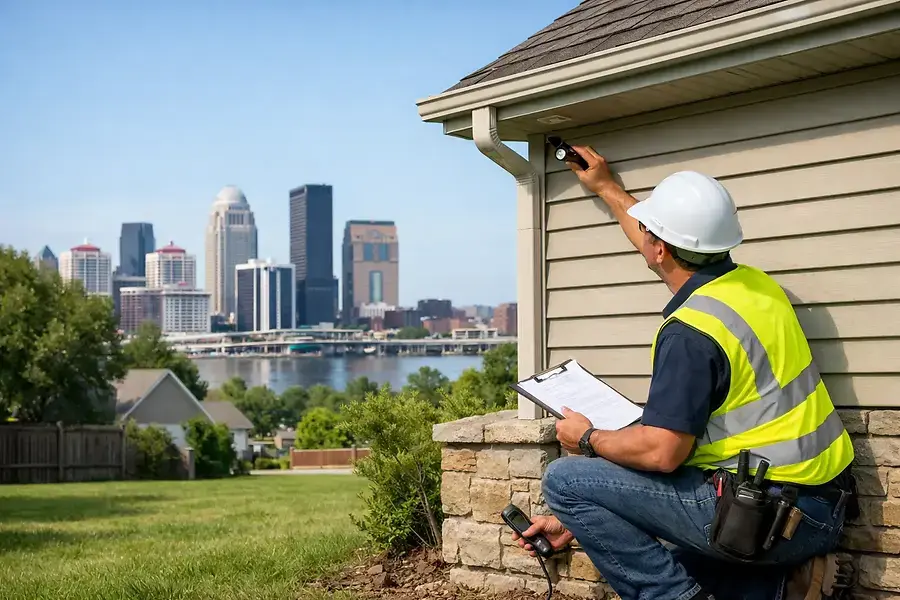
The Critical Role of Home Inspections in Louisville
Purchasing a home is one of the most significant financial decisions you'll make, and in Louisville's competitive real estate market, a professional home inspection is your best defense against costly surprises. A thorough inspection provides an objective assessment of a property's condition, helping you understand exactly what you're investing in and identifying potential issues before you commit to the purchase.
Many homebuyers in Louisville skip or rush through inspections to gain an advantage in competitive bidding situations. However, this approach can lead to expensive repairs and safety concerns down the road. A comprehensive inspection typically costs between $300 and $500 but can save you thousands in unexpected repairs and provide valuable peace of mind.
What Professional Inspectors Examine: Systems, Structure, and Safety Standards
Structural Components
Professional inspectors begin by evaluating the foundation, walls, and overall structural integrity of the home. They look for signs of settling, cracks, water damage, and structural movement that could indicate serious problems. In Louisville, where older homes are common, inspectors pay special attention to foundation issues that may develop due to soil conditions and moisture exposure.
Roofing and Exterior
The roof is one of the most expensive components to replace, making its condition critical. Inspectors examine:
- Shingle condition and remaining lifespan
- Flashing around chimneys and vents
- Gutters and downspouts
- Exterior walls, siding, and paint condition
- Windows and doors for proper sealing
Plumbing Systems
A detailed plumbing inspection reveals the age and condition of pipes, water pressure, drainage systems, and water heater functionality. Inspectors test all fixtures and look for signs of leaks, corrosion, or outdated materials that may need replacement soon.
Electrical Systems
Electrical safety is paramount. Inspectors examine the main panel, circuit breakers, wiring, outlets, and switches. They verify that the electrical system meets current safety codes and can handle modern household demands without overloading.
HVAC Systems
Heating, ventilation, and air conditioning systems are tested for proper operation and efficiency. Inspectors assess the age of equipment, maintenance history, and whether systems are appropriately sized for the home.
Interior Conditions
Professional inspectors thoroughly examine all interior spaces, including:
- Walls, ceilings, and floors for damage or water stains
- Insulation and ventilation
- Appliances included in the sale
- Basement or crawl space conditions
- Signs of pest infestation or mold
Common Issues Found in Louisville Homes and Smart Solutions
Water Damage and Moisture Problems
Louisville's humid climate and proximity to the Ohio River make water management a critical concern. Inspectors frequently identify water intrusion in basements, crawl spaces, and around foundations. Smart solution: Ask sellers for documentation of any water issues and remediation efforts. Budget for proper grading, sump pumps, or waterproofing if needed.
Aging Roofs
Many Louisville homes have roofs nearing the end of their lifespan. Smart solution: If the roof is 15+ years old, budget for replacement within the next few years or negotiate a credit from the seller for roof repairs or replacement.
Outdated Electrical Systems
Older homes may have aluminum wiring or insufficient electrical capacity. Smart solution: Obtain quotes from licensed electricians for any necessary upgrades and factor these costs into your offer.
HVAC System Age
Heating and cooling systems typically last 15-20 years. Smart solution: If systems are approaching the end of their lifespan, plan for replacement costs or request seller concessions.
Plumbing Concerns
Older homes may have galvanized pipes or outdated plumbing materials. Smart solution: Get a plumber's estimate for any necessary updates and use this information in your negotiations.
Foundation Issues
Minor cracks are common, but significant structural concerns require professional evaluation. Smart solution: Have a structural engineer assess any major concerns identified during the inspection before making your final decision.
Using Inspection Results to Make Confident Purchasing Decisions
Once you receive the inspection report, take time to review it thoroughly. Don't panic over minor issues—every home has some wear and tear. Instead, focus on significant problems that affect safety, functionality, or long-term value.
Use the inspection report as a negotiation tool. You have several options:
- Request repairs: Ask the seller to fix major issues before closing
- Negotiate credits: Request a credit toward closing costs to handle repairs yourself
- Renegotiate price: Use inspection findings to justify a lower offer
- Walk away: If major issues exceed your budget or comfort level, you have the right to withdraw
Remember that inspection contingencies are your protection in Louisville's competitive market. Never waive your inspection contingency to make your offer more attractive—the risks far outweigh any advantage.
After closing, keep the inspection report for future reference. It provides valuable baseline information about your home's condition and helps you plan for future maintenance and upgrades.
A professional home inspection is an investment in your confidence and financial security. By understanding what inspectors examine and how to use their findings, you'll make a more informed decision and protect your investment in Louisville's real estate market for years to come.