Essential Home Inspections for Miami-Area Real Estate Buyers
Navigate the critical inspection process and protect your investment with expert guidance tailored to South Florida's unique climate and construction considerations.

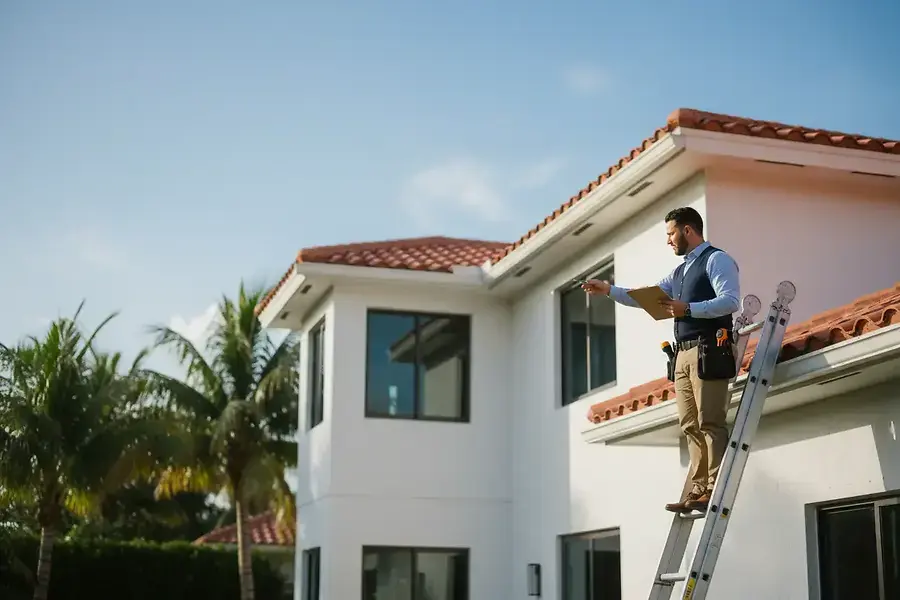
Understanding Why Home Inspections Matter in South Florida
Purchasing a home in the Miami area represents one of the most significant investments you'll make in your lifetime. A professional home inspection is your safeguard against costly surprises and hidden defects that could compromise your investment. In South Florida's unique climate, where humidity, salt air, and intense weather patterns are constant factors, inspections become even more critical.
South Florida's environmental conditions create specific challenges that standard home inspections in other regions may not address. Salt air corrosion, moisture intrusion, hurricane-resistant construction requirements, and tropical pest infestations are concerns that Miami-area buyers must understand. A thorough inspection conducted by someone familiar with local building codes and climate-related issues can reveal problems before they become expensive repairs.
Beyond protecting your finances, a comprehensive inspection provides peace of mind. You'll have documented evidence of the property's condition at the time of purchase, which becomes invaluable if disputes arise later with the seller or if you need to file insurance claims.
Key Areas Inspectors Focus On: From Foundation to Roof
Foundation and Structural Integrity
In Miami's sandy, sometimes unstable soil conditions, foundation issues can develop over time. Inspectors examine the foundation for cracks, settling, and signs of water damage. They assess whether the property meets current building codes and evaluate any previous repairs or reinforcements.
Roof and Weather Protection
Your roof is your first line of defense against South Florida's intense sun, heavy rains, and hurricane-force winds. Inspectors evaluate:
- Roof age and remaining lifespan
- Shingle or tile condition and proper installation
- Flashing around chimneys, vents, and skylights
- Gutters and drainage systems
- Hurricane-resistant features and reinforcements
Plumbing Systems
South Florida's high water table and corrosive salt air create unique plumbing challenges. Inspectors check for:
- Pipe material and condition (copper, PVC, or galvanized)
- Water pressure and flow rates
- Signs of leaks or water damage
- Proper drainage and sump pump functionality
- Water heater age and condition
Electrical Systems
Electrical safety is paramount, especially in humid climates where moisture can compromise wiring. Inspectors verify that the electrical panel is properly sized, all outlets are grounded, and the system meets current code requirements. They also assess whether the home can handle modern electrical demands.
HVAC and Climate Control
Air conditioning systems work overtime in Miami's heat and humidity. Inspectors evaluate the AC unit's age, maintenance history, and efficiency. They check ductwork for leaks and ensure the system is properly sized for the home.
Moisture and Mold Concerns
Perhaps the most critical concern in South Florida is moisture intrusion and mold growth. Inspectors look for:
- Water stains on ceilings and walls
- Visible mold or mildew
- Proper attic ventilation
- Sealed penetrations and proper caulking
- Evidence of past water damage or flooding
Windows and Doors
Impact-resistant windows and doors are essential in hurricane-prone South Florida. Inspectors verify that these protective features are properly installed and functional, as they significantly impact both safety and insurance rates.
How to Prepare for and Evaluate Your Inspection Report
Before the Inspection
Schedule your inspection within the timeframe specified in your purchase agreement—typically 7-10 days after making an offer. Attend the inspection in person if possible. This allows you to ask questions directly and understand the inspector's findings firsthand.
Prepare a list of specific concerns you have about the property. If you've noticed anything unusual during your visits, mention it to the inspector so they can pay special attention to those areas.
Understanding Your Report
A comprehensive inspection report will categorize findings into three levels:
- Major Issues: Structural problems, roof damage, or system failures requiring immediate attention
- Minor Issues: Small repairs or maintenance items that don't affect safety or functionality
- Recommendations: Suggested upgrades or preventive maintenance
Don't be alarmed if the report identifies issues—most homes have some defects. Focus on understanding the severity and estimated repair costs. Request quotes from licensed contractors for major repairs to understand the financial implications.
Red Flags to Watch For
Certain findings should raise concerns and warrant further investigation:
- Evidence of flooding or water damage in the foundation or basement
- Roof age exceeding 15-20 years
- Outdated electrical systems or aluminum wiring
- Signs of termite or pest damage
- Mold growth or persistent moisture issues
- Missing or inadequate hurricane reinforcements
Next Steps After Inspection: Negotiating Repairs and Moving Forward
Reviewing Your Options
After receiving the inspection report, you have several options. You can request that the seller make repairs before closing, ask for a credit to cover repair costs, or renegotiate the purchase price. Your negotiating position depends on the severity of issues and current market conditions.
Requesting Repairs or Credits
Prioritize major issues that affect safety, structural integrity, or long-term durability. It's reasonable to request repairs for items like roof damage, electrical hazards, or mold remediation. For minor issues, requesting a credit may be more practical, allowing you to choose your own contractors.
Be realistic in your requests. Sellers are unlikely to accept demands for cosmetic upgrades or routine maintenance. Focus on legitimate defects that weren't apparent during your initial walkthrough.
Final Walk-Through
Before closing, conduct a final walk-through to verify that agreed-upon repairs have been completed satisfactorily. Request documentation of any work performed, including contractor invoices and permits.
Moving Forward with Confidence
Once you've addressed inspection findings and negotiated necessary repairs, you can move forward with your purchase knowing you've done your due diligence. Keep your inspection report and all documentation for future reference. These records prove invaluable for insurance claims, warranty purposes, or future sales.
A thorough home inspection is an investment in your peace of mind and financial security. In Miami's challenging climate, it's not just recommended—it's essential for protecting your real estate investment.


