Essential Home Inspections for Michigan Residential Property Buyers
Protect your investment by understanding what professional inspectors look for in Waterford, Farmington, Davisburg, Commerce Township, and Detroit homes.

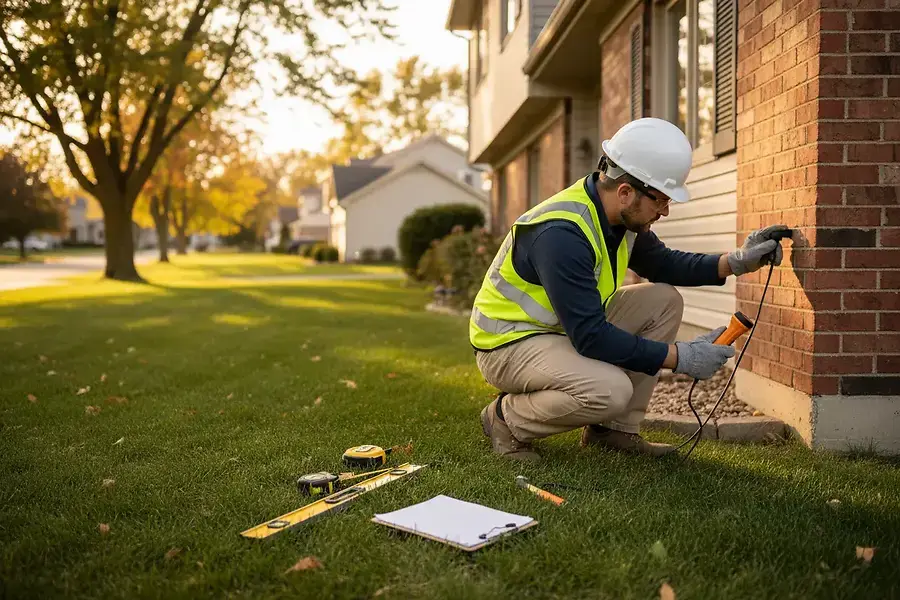
What to Expect During a Professional Home Inspection
A professional home inspection is one of the most critical steps in the home buying process. When you're purchasing a residential property in Waterford, Farmington, Davisburg, Commerce Township, or Detroit, understanding what happens during an inspection can help you feel more confident about your investment.
During a typical home inspection, a certified inspector will spend two to four hours examining your potential new home from top to bottom. They'll evaluate the structural integrity, roofing, foundation, electrical systems, plumbing, HVAC systems, and interior conditions. The inspector will use specialized tools and equipment to assess everything thoroughly.
The Inspection Process
Your inspector will begin with an exterior evaluation, checking the roof, gutters, siding, windows, doors, and foundation for any visible damage or wear. They'll then move inside to examine:
- Electrical panels and wiring
- Water heaters and plumbing fixtures
- HVAC systems and ductwork
- Insulation and ventilation
- Interior walls, ceilings, and floors
- Appliances and built-in systems
You're encouraged to walk through the inspection with the inspector whenever possible. This gives you the opportunity to ask questions and understand any concerns firsthand.
Common Issues Found in Southeast Michigan Residential Properties
Southeast Michigan's climate and age of many homes create specific challenges for property buyers. Understanding these common issues can help you anticipate potential problems.
Water Damage and Basement Issues
One of the most prevalent problems in Michigan homes is water intrusion and basement moisture. The region's freeze-thaw cycles and heavy precipitation make basements particularly vulnerable. Inspectors look for:
- Cracks in foundation walls
- Efflorescence (white mineral deposits)
- Mold or mildew growth
- Inadequate drainage systems
Roof and Weather-Related Damage
Michigan winters are harsh, and roofs bear the brunt of this climate. Inspectors examine shingles for curling, missing pieces, or granule loss. They also check for proper ventilation, which is essential in preventing ice dams—a common problem in Michigan homes.
Aging HVAC Systems
Many homes in Waterford, Farmington, and surrounding areas have older heating and cooling systems. Inspectors will assess whether your furnace and air conditioning units are functioning properly and estimate their remaining lifespan. Replacement costs can be substantial, so this information is crucial for your decision-making.
Electrical and Plumbing Concerns
Older homes may have outdated electrical panels or aluminum wiring, which can pose safety risks. Similarly, galvanized or polybutylene plumbing may need replacement. These upgrades can be expensive, making them important factors in your negotiation strategy.
How to Interpret and Act on Inspection Reports
After the inspection is complete, you'll receive a detailed report. Understanding how to read and respond to this document is essential for protecting your interests.
Understanding the Report Structure
Most inspection reports categorize findings by severity level:
- Critical Issues: Safety hazards requiring immediate attention
- Major Issues: Significant problems affecting home value or function
- Minor Issues: Small repairs or maintenance items
- Recommendations: Suggested improvements or further evaluation
Each section typically includes photos, descriptions, and explanations of what was found and why it matters.
Negotiating Based on Inspection Findings
Once you have your inspection report, you have several options:
- Request the seller make repairs before closing
- Ask for a credit toward repairs you'll handle yourself
- Renegotiate the purchase price based on repair costs
- Walk away from the deal if issues are too severe
In Detroit, Farmington, and Commerce Township markets, inspection contingencies give you the right to back out of the purchase if significant problems are discovered. Use this leverage wisely.
Getting Second Opinions
For critical issues like foundation problems or major structural concerns, consider hiring a specialist inspector. A foundation expert or structural engineer can provide detailed assessments that help you understand the true cost of repairs.
Conclusion: Making Informed Decisions Before Closing
A professional home inspection is your best defense against costly surprises after you've purchased your Michigan home. Whether you're buying in Davisburg, Commerce Township, or any other Southeast Michigan community, taking the inspection process seriously protects your investment.
Remember that no home is perfect. The goal isn't to find a flawless property but to understand what you're buying and make informed decisions about your purchase. Use your inspection report as a negotiating tool and a roadmap for future maintenance and repairs.
By understanding what inspectors look for, recognizing common regional issues, and properly interpreting your inspection report, you'll be well-equipped to make confident decisions before closing on your new home. Your investment deserves this level of diligence.


