Essential Home Inspections for Middleburg Heights Residential Buyers
Discover what to look for during inspections to avoid costly surprises and make confident purchasing decisions in this thriving Ohio community.

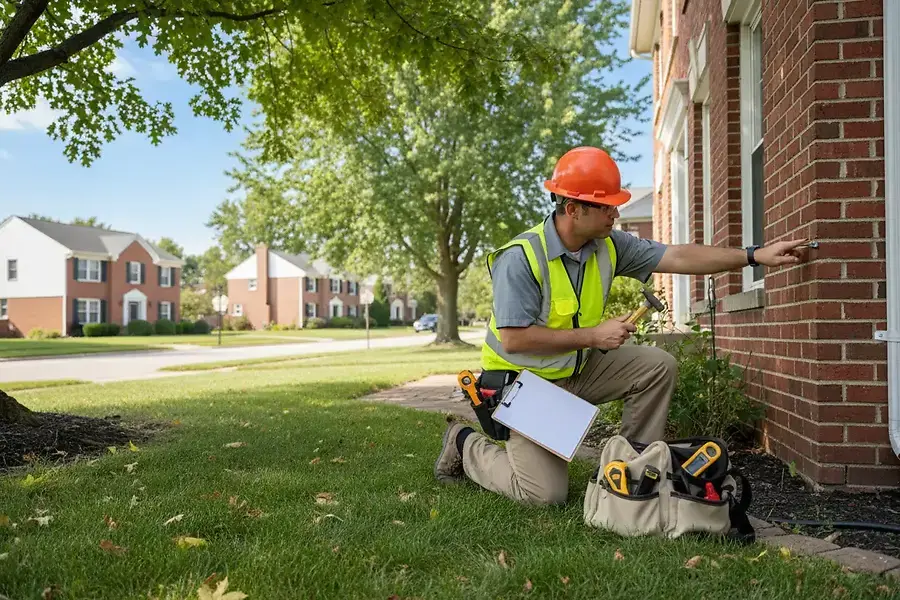
Why Home Inspections Matter in Middleburg Heights
Purchasing a home is one of the most significant financial decisions you'll make, and in Middleburg Heights—a thriving residential community in Ohio—it's essential to protect that investment from day one. A comprehensive home inspection is your opportunity to uncover potential issues before they become expensive problems. Whether you're a first-time homebuyer or an experienced investor, understanding what inspectors look for can mean the difference between a sound investment and a costly mistake.
Home inspections provide an objective assessment of a property's condition, identifying structural issues, mechanical problems, and safety concerns that might not be visible to the untrained eye. In Middleburg Heights, where homes range from established neighborhoods to newer developments, inspections help ensure you're making an informed decision tailored to your specific property.
Key Areas to Inspect: Foundation, Roof, Systems, and More
Foundation and Structural Integrity
The foundation is the backbone of any home. Inspectors examine the foundation for cracks, settling, water damage, and signs of structural movement. In Middleburg Heights, where soil conditions and weather patterns can vary, foundation issues are particularly important to assess. Look for:
- Horizontal or diagonal cracks in basement walls
- Water stains or moisture accumulation
- Uneven floors or doors that don't close properly
- Evidence of previous repairs or patching
Roof Condition and Longevity
Your roof protects everything beneath it, making its condition critical. Professional inspectors evaluate roof age, material condition, and remaining lifespan. They'll check for:
- Missing, cracked, or curling shingles
- Proper ventilation and attic conditions
- Flashing around chimneys and vents
- Signs of leaks or water damage in the attic
A roof replacement can cost thousands of dollars, so understanding its current state helps you budget for future maintenance or negotiate repairs with the seller.
Electrical, Plumbing, and HVAC Systems
These three systems are essential to daily living comfort and safety. Inspectors verify that electrical systems meet current safety codes, plumbing operates without leaks, and heating and cooling systems function properly. Key inspection points include:
- Electrical: Panel condition, grounding, outlet safety, and code compliance
- Plumbing: Water pressure, drainage, pipe material and condition, and water heater functionality
- HVAC: Furnace and air conditioning efficiency, thermostat operation, and ductwork integrity
Exterior and Interior Elements
Beyond major systems, inspectors examine windows, doors, siding, gutters, and interior finishes. These elements affect both aesthetics and functionality. Common concerns include:
- Deteriorating siding or paint
- Clogged or damaged gutters
- Rotting wood trim or decking
- Broken windows or damaged frames
- Mold or mildew growth
Red Flags and What They Mean for Your Investment
Major Structural Concerns
Significance: Structural issues are the most serious red flags. Foundation cracks, sagging roofs, or evidence of settling can indicate problems requiring expensive repairs. These issues may affect the home's safety and insurability. If you encounter structural concerns, consider hiring a structural engineer for a detailed assessment before proceeding.
Water Damage and Moisture Problems
Water intrusion is a common issue in Ohio homes and can lead to mold, rot, and deterioration. Any signs of water damage warrant immediate investigation. Look for:
- Stains on ceilings or walls
- Musty odors in basements or crawl spaces
- Efflorescence (white powder) on foundation walls
- Soft or spongy wood
Water problems can be expensive to remediate and may indicate ongoing issues that require professional waterproofing solutions.
Outdated or Non-Compliant Systems
Older homes in Middleburg Heights may have outdated electrical systems, plumbing materials, or HVAC equipment. While not always deal-breakers, these systems may require upgrades for safety or efficiency. Knob-and-tube wiring, galvanized pipes, and aging furnaces are common findings that warrant budget planning.
Pest Infestation or Damage
Evidence of termites, carpenter ants, or other pests can indicate serious structural damage. Professional pest inspections may be necessary to determine the extent of infestation and required treatment.
Deferred Maintenance
Deferred maintenance—neglected repairs and upkeep—is a red flag that suggests the seller may not have properly cared for the property.This can indicate hidden problems and should prompt you to ask detailed questions about the home's history and any previous repairs.
Protecting Your Residential Investment
Work with a Qualified Inspector
Choose a licensed, experienced home inspector with knowledge of Middleburg Heights properties. Ask for references and verify credentials before hiring. A thorough inspection typically takes 2-4 hours and costs between $300-$500, a small investment compared to potential problems.
Attend the Inspection
Being present during the inspection allows you to ask questions and understand issues firsthand. Your inspector can explain findings and discuss their implications for your purchase decision.
Review the Report Carefully
Take time to understand the inspection report. Ask your real estate agent or inspector to clarify any concerns. Use findings to negotiate repairs, credits, or price adjustments with the seller.
Plan for Future Maintenance
Even homes in excellent condition require ongoing maintenance. Budget for regular upkeep and plan for major system replacements based on their age and condition.
Conclusion: Making Confident Purchasing Decisions
A comprehensive home inspection is an invaluable tool for Middleburg Heights residential buyers. By understanding what inspectors evaluate and recognizing red flags, you can make informed decisions that protect your investment and ensure your new home is safe, sound, and ready for your family. Don't skip this critical step—your future self will thank you for the diligence you invest today.


