Essential Home Inspections for Myrtle Beach Buyers: What You Need to Know
Discover the critical inspection checklist that protects your investment and reveals hidden property issues before closing.

Understanding the Home Inspection Process
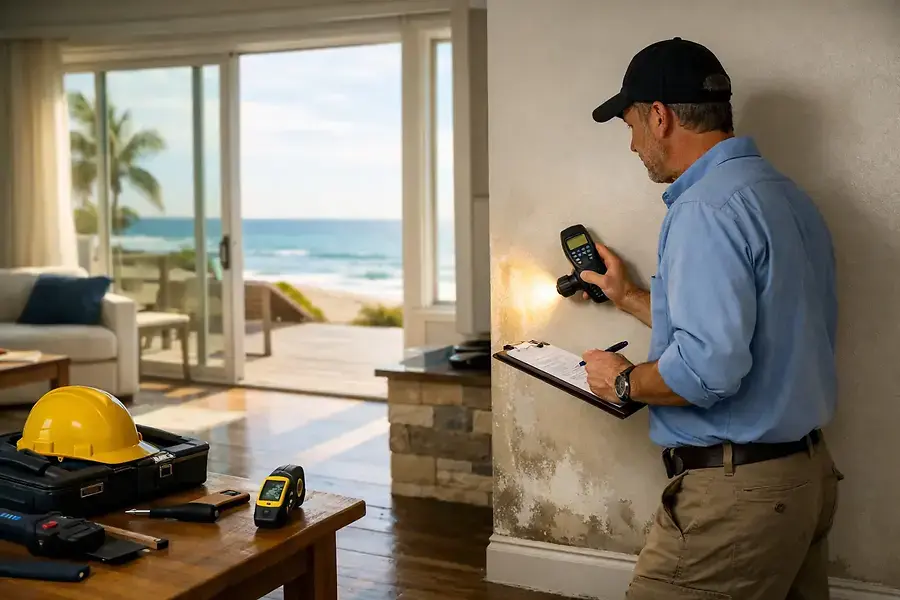
Purchasing a home in Myrtle Beach is an exciting milestone, but it's also one of the most significant financial decisions you'll make. A professional home inspection is your safeguard against costly surprises after closing. During a typical inspection, a certified inspector will spend 2-3 hours examining your potential property, documenting its condition and identifying any issues that need attention.
The inspection process is separate from the appraisal and is designed to give you a comprehensive understanding of the property's structural integrity and systems. Having a professional inspection completed is not just recommended—it's essential for protecting your investment. Most purchase agreements include a contingency period allowing you to conduct an inspection and negotiate repairs or credits based on the findings.
What to Expect During the Inspection
A qualified home inspector will provide a detailed written report within 24-48 hours of the inspection. This report categorizes issues by severity and includes photographs and recommendations. You'll receive information about what's working properly and what needs immediate attention or future maintenance.
Key Areas Inspectors Evaluate in Coastal Properties
Myrtle Beach properties face unique challenges due to their coastal location. Inspectors pay special attention to factors that directly impact homes in this environment.
Roof and Weather Protection
The roof is your home's first line of defense against coastal weather. Inspectors examine shingles for damage, proper installation, and signs of wear. Salt air and high winds can accelerate roof deterioration, making regular inspections critical. They'll also check flashing around chimneys, vents, and skylights where water intrusion commonly occurs.
Foundation and Structural Integrity
Coastal properties are susceptible to foundation issues due to sandy soil and moisture. Inspectors look for:
- Cracks in the foundation or basement walls
- Signs of settling or shifting
- Water damage or moisture intrusion
- Proper grading around the foundation
- Evidence of previous repairs or reinforcement
Plumbing and Water Systems
Salt water exposure can corrode pipes and fixtures. Inspectors test water pressure, check for leaks, and examine the condition of pipes. They'll verify that the water heater is functioning properly and appropriately sized for the home. In coastal areas, they pay particular attention to corrosion and may recommend upgrades to salt-resistant materials.
Electrical Systems
Moisture and salt air can compromise electrical systems. Inspectors verify that the electrical panel is properly grounded, outlets are functioning, and the system is up to current code standards. They'll check for outdated wiring and ensure adequate capacity for modern appliances.
HVAC and Ventilation
Proper ventilation is crucial in humid coastal climates. Inspectors examine air conditioning units, heating systems, and ventilation to ensure they're functioning efficiently. They check for proper ductwork installation and verify that the system can handle the demands of the local climate.
Moisture and Mold Concerns
High humidity levels in Myrtle Beach create ideal conditions for mold growth. Inspectors look for signs of moisture damage, mold, and inadequate ventilation. They examine crawl spaces, attics, and basements where moisture problems commonly develop. If mold is suspected, a specialized mold inspection may be recommended.
Exterior and Landscaping
The exterior takes a beating in coastal environments. Inspectors examine:
- Siding condition and paint integrity
- Windows and doors for proper sealing
- Decks and outdoor structures for safety and deterioration
- Gutters and downspouts for proper drainage
- Landscaping that may affect drainage or structural integrity
Red Flags and How to Respond to Inspection Reports
Understanding Severity Levels
Inspection reports typically categorize findings into levels of severity. Critical issues require immediate attention and may affect your decision to purchase. These include structural problems, electrical hazards, or major system failures. Significant issues should be addressed before closing, while minor concerns can often be addressed after purchase or negotiated as credits.
Common Red Flags in Coastal Properties
Watch for these warning signs that may indicate serious problems:
- Water damage or staining: Indicates past or present moisture intrusion
- Rust or corrosion: Suggests salt water exposure affecting metal components
- Foundation cracks: May indicate settling or structural movement
- Outdated electrical systems: Could pose safety risks and limit capacity
- Evidence of previous flooding: Raises concerns about future water damage
- Mold or musty odors: Indicates moisture problems requiring remediation
Negotiating After the Inspection
Once you receive the inspection report, you have several options. You can request that the seller make repairs before closing, ask for a credit to cover repair costs, or renegotiate the purchase price. It's important to get repair estimates from licensed contractors to support your negotiations. Some sellers may prefer to provide credits rather than handle repairs themselves.
When to Walk Away
If the inspection reveals major structural issues, extensive mold problems, or repairs that would cost more than you're willing to invest, it may be time to reconsider. Your inspection contingency exists to protect you—use it if the property doesn't meet your expectations or budget.
Conclusion: Making Informed Decisions with Inspection Results
A professional home inspection is an investment in your peace of mind and financial security. In Myrtle Beach's unique coastal environment, thorough inspections are particularly important due to the specific challenges properties face. Don't skip this critical step in the home buying process.
Take time to review the inspection report carefully, ask your inspector questions, and consult with your real estate agent about next steps. Armed with detailed information about your potential property's condition, you can make an informed decision that protects your investment for years to come. Remember, the inspection period is your opportunity to discover issues before they become your responsibility—make the most of it.


