Essential Home Inspections for New Albany Buyers: A Complete Guide
Discover what professional inspectors look for and how to use inspection reports to make confident purchasing decisions.

Understanding the Home Inspection Process in New Albany
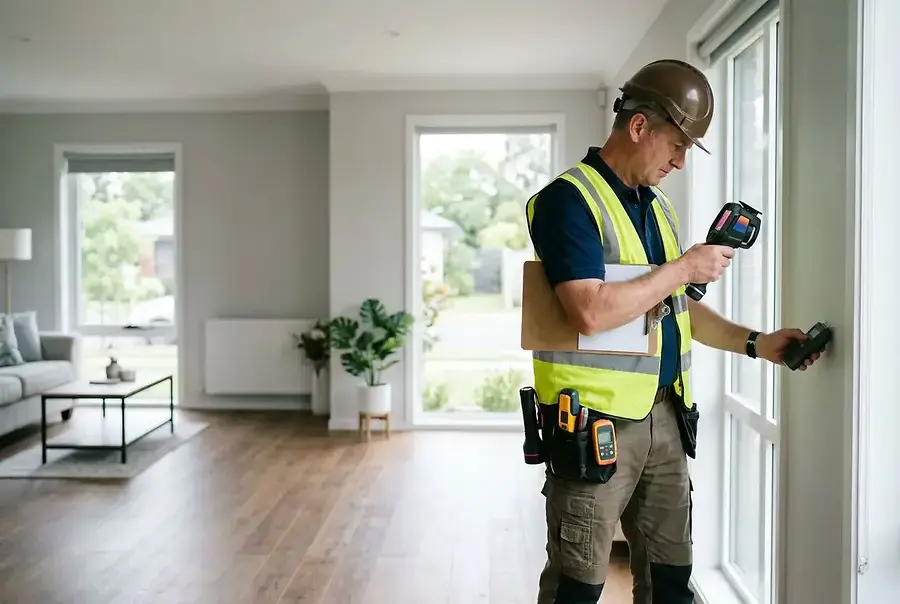
Purchasing a home is one of the most significant investments you'll make in your lifetime. In New Albany, a thorough home inspection is an essential step in the buying process that protects your interests and provides peace of mind. A professional home inspection typically takes two to three hours and involves a comprehensive evaluation of the property's structural integrity, systems, and overall condition.
During a standard inspection, a certified inspector will examine both the interior and exterior of the home, documenting their findings in a detailed report. This report becomes a valuable tool for negotiations and helps you understand exactly what you're purchasing. Many buyers in New Albany make the mistake of skipping this crucial step or not fully understanding what inspectors evaluate, which can lead to costly surprises after closing.
What to Expect During Your Inspection
When you schedule a home inspection, plan to be present during the process. This allows you to ask questions and learn about the property firsthand from the professional. The inspector will use specialized tools and equipment to assess everything from the foundation to the roof, checking for visible defects, safety hazards, and maintenance issues.
Key Areas Inspectors Examine and Why They Matter
Structural Components
The foundation and structural integrity of a home are paramount. Inspectors carefully examine the foundation for cracks, settling, or water damage. They also assess the condition of walls, floors, and the overall frame of the house. Issues with structural components can be extremely expensive to repair and may indicate deeper problems with the property.
Roofing and Exterior
Your roof is your home's first line of defense against the elements. Inspectors evaluate the roof's age, condition, and remaining lifespan. They also examine siding, gutters, downspouts, windows, and doors. In New Albany's climate, proper exterior maintenance is crucial for preventing water intrusion and protecting your investment.
Plumbing Systems
Inspectors test water pressure, check for leaks, and examine the condition of pipes throughout the home. They verify that the water heater is functioning properly and assess the septic or sewer system. Plumbing issues can range from minor leaks to major system failures, making this inspection area particularly important.
Electrical Systems
A thorough electrical inspection includes checking the main panel, circuit breakers, outlets, and wiring. Inspectors look for outdated systems, potential fire hazards, and code violations. Electrical problems pose serious safety risks and should never be overlooked during the inspection process.
HVAC Systems
Heating, ventilation, and air conditioning systems are essential for comfort and indoor air quality. Inspectors test these systems to ensure they're functioning properly and assess their age and condition. Understanding the remaining lifespan of your HVAC system helps you budget for future replacements.
Interior Components
Inspectors also examine interior elements including insulation, ventilation, flooring, walls, and ceilings. They check for signs of water damage, mold, pest infestations, and other issues that could affect your health and safety.
Common Issues Found in New Albany Homes and How to Address Them
Water Damage and Moisture Problems
Due to New Albany's weather patterns, water damage is one of the most common issues found during inspections. This can range from minor staining to significant structural damage. If detected, you may need to hire a specialist to assess the extent of the damage and recommend remediation strategies.
Aging Roofs
Many homes in the area have roofs nearing the end of their lifespan. While a roof replacement is a significant expense, it's often necessary. During negotiations, you can request that the seller either replace the roof or provide a credit toward the cost.
Outdated Electrical Systems
Older homes may have outdated electrical systems that don't meet current safety standards. Upgrading to a modern panel or rewiring sections of the home can be costly but is essential for safety.
HVAC System Age
Heating and cooling systems typically last 15-20 years. If your inspection reveals an aging system, factor replacement costs into your offer or negotiate for a credit.
Foundation Settling
Minor settling is normal in older homes, but significant cracks or uneven floors may indicate serious foundation problems. These issues require professional evaluation and can be expensive to repair.
Using Inspection Results to Negotiate and Make Informed Decisions
Reviewing Your Inspection Report
Once you receive the inspection report, take time to review it carefully. The report will categorize issues by severity, helping you understand which problems are critical and which are minor maintenance concerns. Don't hesitate to ask your inspector to clarify any findings.
Negotiation Strategies
Armed with inspection findings, you have several negotiation options:
- Request repairs: Ask the seller to fix identified issues before closing.
- Request credits: Negotiate a reduction in the purchase price to cover repair costs.
- Request inspections: For major issues, ask the seller to provide professional assessments from specialists.
- Walk away: If significant problems exist, you may decide the property isn't worth pursuing.
Making Your Final Decision
Use the inspection report as a foundation for your decision-making process. Consider the overall condition of the home, the cost of necessary repairs, and your budget. Remember that no home is perfect—the goal is to understand what you're buying and make an informed choice.
Pro tip: Keep your inspection report even after closing. It serves as a valuable reference for future maintenance and repairs, and helps you understand your home's systems and their condition.
Working with Your Real Estate Agent
Your real estate agent can help you interpret inspection findings and develop a negotiation strategy. They understand local market conditions and can advise you on which issues are common in New Albany homes and how they typically affect property values.
A professional home inspection is an investment in your future. By understanding what inspectors look for and how to use their findings, you'll make a confident, informed decision about one of the most important purchases of your life.