Essential Home Inspections for North Texas Residential Buyers
Discover the critical inspections and red flags every residential buyer in the Dallas-Fort Worth area should know before closing on their new home.

Why Professional Home Inspections Matter in North Texas
Purchasing a home is one of the most significant financial decisions you'll make in your lifetime. In the North Texas region, where the Dallas-Fort Worth metropolitan area continues to experience rapid growth and development, a professional home inspection is not just recommended—it's essential. A thorough inspection can reveal hidden issues that could cost thousands of dollars to repair after closing, protecting your investment and giving you peace of mind.
Many first-time homebuyers underestimate the importance of hiring a qualified inspector. While it may seem like an additional expense, a comprehensive home inspection typically costs between $300 and $500 and can save you from purchasing a property with serious structural, electrical, or plumbing problems. In North Texas, where extreme weather conditions and unique construction practices are common, understanding what inspectors look for is crucial.
Key Inspection Areas: What Inspectors Check in DFW Properties
Structural Integrity and Foundation
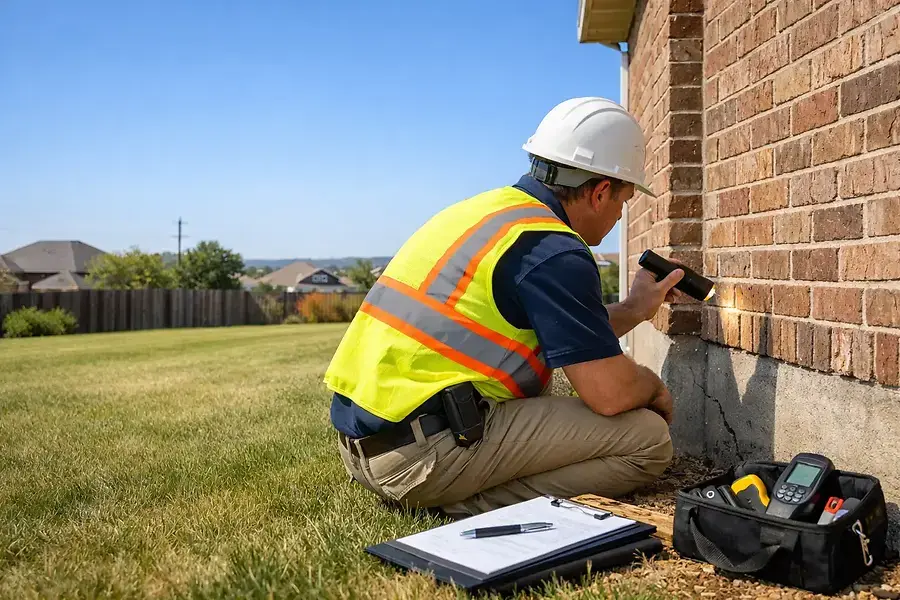
The foundation is the backbone of any home. Inspectors will examine the foundation for cracks, settling, and signs of water damage. They'll look for horizontal cracks, stair-step patterns, and bowing walls—all indicators of serious structural problems. In North Texas, where clay soil can shift seasonally, foundation issues are particularly common and warrant careful attention.
Roofing and Attic Conditions
Your roof protects everything beneath it. Inspectors evaluate:
- Shingle condition and age
- Flashing around chimneys and vents
- Proper ventilation and insulation
- Signs of leaks or water damage
- Gutter and downspout functionality
Given North Texas's hail storms and intense summer heat, roof condition is especially critical. A roof nearing the end of its lifespan may require replacement within a few years, representing a substantial expense.
Electrical Systems
Inspectors test outlets, switches, and the main electrical panel to ensure everything meets current safety codes. They look for outdated wiring, insufficient capacity, and potential fire hazards. Older homes in the DFW area may have aluminum wiring or inadequate grounding, which can pose serious safety risks.
Plumbing and Water Systems
A comprehensive plumbing inspection includes checking water pressure, testing drains, inspecting visible pipes, and examining the water heater. Inspectors will identify:
- Leaks or corrosion
- Water heater age and condition
- Outdated or problematic materials (like polybutylene pipes)
- Septic system functionality (for properties not on municipal water)
HVAC Systems
Your heating and cooling system is vital in North Texas, where summers can exceed 100°F and winters occasionally dip below freezing. Inspectors evaluate the age, maintenance history, and operational efficiency of air conditioning and heating units. A failing HVAC system can cost $5,000 to $10,000 to replace.
Interior and Exterior Conditions
Inspectors examine walls, ceilings, floors, windows, doors, and siding for damage, water intrusion, and proper functionality. They'll check for signs of pest infestations, mold, and moisture problems that could indicate larger issues.
Regional Considerations: Climate and Construction Issues Specific to Dallas, Plano, Fort Worth, and Surrounding Areas
Extreme Weather and Hail Damage
North Texas experiences severe weather patterns that directly impact home conditions. Hailstorms can damage roofs, siding, and windows. Inspectors pay special attention to recent storm damage and the property's ability to withstand future weather events. Properties in areas prone to hail should have impact-resistant roofing materials.
Clay Soil and Foundation Movement
The DFW area sits on expansive clay soil that swells when wet and shrinks when dry. This natural movement causes more foundation problems here than in many other regions. Inspectors specifically look for signs of foundation settling and movement, which may require expensive repairs or ongoing monitoring.
Water Quality and Hard Water Issues
North Texas water is notably hard, containing high mineral content. While not a safety issue, hard water can reduce the lifespan of appliances and plumbing fixtures. Inspectors note whether the home has a water softener system and evaluate its condition.
Construction Quality in Growing Communities
As Dallas, Plano, Fort Worth, and surrounding areas continue to expand, newer developments are constantly being built. Inspectors should verify that construction meets current building codes and that all required inspections were completed during the building process. Newer homes may have warranty issues that should be documented.
Drainage and Grading
Proper drainage is critical in North Texas, where heavy rains can occur suddenly. Inspectors evaluate whether the property's grading directs water away from the foundation and whether gutters and downspouts are properly installed. Poor drainage can lead to foundation problems and basement flooding.
Energy Efficiency Considerations
Given the intense heat of North Texas summers, energy efficiency is important for long-term cost savings. Inspectors assess insulation levels, window quality, and HVAC system efficiency. Homes with poor insulation or outdated systems will have higher utility bills.
Making Informed Decisions with Inspection Results
Once you receive your inspection report, take time to understand all findings. Not all issues require immediate action—some are minor maintenance items, while others indicate serious problems requiring professional evaluation or repair.
Use inspection results to:
- Negotiate repairs or credits with the seller
- Plan for future maintenance and upgrades
- Obtain specialized inspections for flagged concerns (foundation, electrical, etc.)
- Make an informed decision about proceeding with the purchase
In North Texas, where regional factors significantly impact home conditions, a thorough inspection is your best defense against costly surprises. By understanding what inspectors look for and the specific challenges facing DFW properties, you'll be better equipped to make a confident, informed decision about your home purchase.
Remember: A professional home inspection is an investment in your peace of mind and financial security. Don't skip this critical step in the home-buying process.


