Essential Home Inspections for Palatine Homebuyers: What You Need to Know
Discover the critical inspection points every Palatine homebuyer should know to avoid costly surprises.

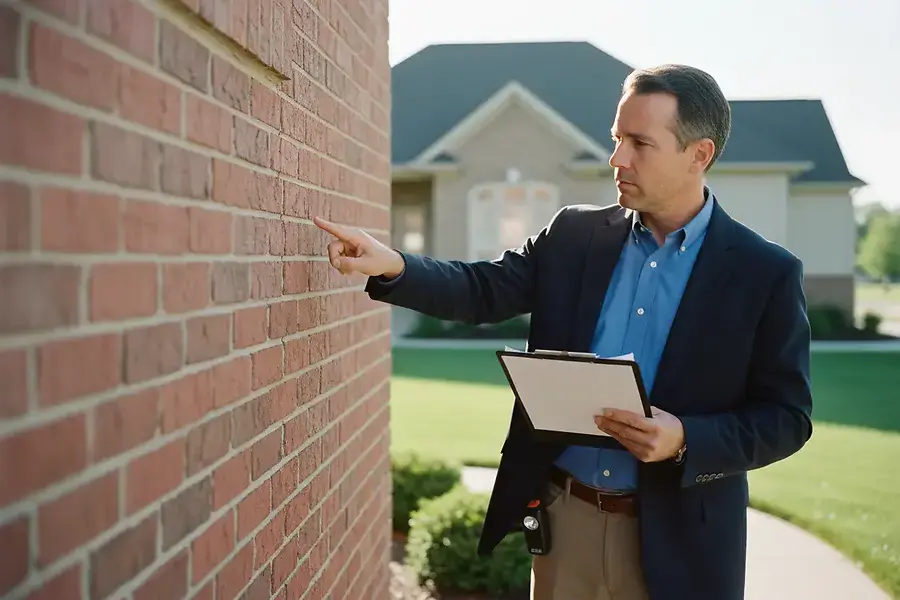
What to Expect During a Professional Home Inspection in Palatine
When you're ready to purchase a home in Palatine, a professional home inspection is one of the most important steps in the buying process. A qualified inspector will spend two to three hours thoroughly examining your potential property, both inside and out. This comprehensive evaluation provides you with critical information about the home's condition and helps you make an informed decision.
During the inspection, the inspector will document their findings in a detailed report that includes photographs, descriptions of any issues found, and recommendations for repairs or further evaluation. You'll typically receive this report within 24 to 48 hours. Many inspectors also offer the option to walk through the property with you, allowing you to ask questions and understand the findings firsthand.
Key Areas Inspectors Examine and Why They Matter for Your Investment
Structural Components and Foundation
The foundation is the backbone of any home. Inspectors carefully examine the foundation for cracks, settling, water damage, and signs of structural movement. In Palatine, where soil conditions and weather patterns can impact foundations, this inspection is particularly crucial. Foundation issues can be expensive to repair and may indicate larger problems with the home's integrity.
Roofing and Exterior
Your roof protects everything beneath it, making its condition essential to assess. Inspectors evaluate:
- Shingle condition and age
- Flashing around chimneys and vents
- Gutters and downspouts
- Exterior siding and caulking
- Windows and doors
A roof nearing the end of its lifespan can mean significant replacement costs in the near future, so understanding its condition helps you budget accordingly.
Plumbing and Water Systems
Inspectors test water pressure, check for leaks, examine pipe materials, and assess the water heater's condition. They also look for signs of water damage throughout the home. Plumbing issues can lead to costly repairs and potential mold problems if left unaddressed.
Electrical Systems
A thorough electrical inspection includes checking the panel, outlets, switches, and wiring. Outdated or faulty electrical systems pose safety risks and may require upgrades to meet current code standards. This is especially important in older Palatine homes that may have aging electrical infrastructure.
HVAC Systems
Heating, ventilation, and air conditioning systems are inspected for proper operation, age, and maintenance needs. Understanding the condition of these systems helps you anticipate future replacement costs and ensure your home will be comfortable year-round.
Interior Conditions
Inspectors examine walls, ceilings, floors, and insulation for damage, moisture issues, and proper installation. They also check for signs of pest infestations or mold growth, which can affect your health and the home's value.
Common Issues Found in Palatine Homes and How to Address Them
Moisture and Water Intrusion
Palatine's climate can lead to moisture problems in basements and crawl spaces. Common signs include efflorescence (white mineral deposits), water stains, and musty odors. If detected, you may need to invest in waterproofing, improved drainage, or sump pump installation.
Aging Roofs
Many Palatine homes have roofs that are 15-20 years old or older. Budget for replacement costs if your inspection reveals significant wear, missing shingles, or deteriorated flashing. A new roof can cost $8,000 to $15,000 or more, depending on size and materials.
Outdated Electrical Systems
Older homes may have aluminum wiring or insufficient panel capacity. These issues should be addressed by a licensed electrician to ensure safety and prevent fire hazards. Upgrading electrical systems can be a significant investment but is essential for safety.
HVAC System Age
If heating or cooling systems are nearing the end of their lifespan (typically 15-20 years), plan for replacement costs. Modern systems are more energy-efficient and can reduce utility bills, making replacement a worthwhile investment.
Plumbing Concerns
Older homes may have galvanized pipes that are corroding or polybutylene pipes that are prone to failure. While not always requiring immediate replacement, understanding these issues helps you plan for future maintenance and potential repairs.
Using Inspection Results to Negotiate Better Terms and Protect Your Purchase
Request Repairs or Credits
If the inspection reveals significant issues, you have several options. You can request that the seller make repairs before closing, ask for a credit toward repairs you'll handle yourself, or negotiate a lower purchase price to account for the cost of addressing problems.
Get Contractor Estimates
For major issues, obtain written estimates from licensed contractors. These estimates provide concrete numbers for your negotiations and help you understand the true cost of addressing problems. Sellers are more likely to take your requests seriously when backed by professional quotes.
Prioritize Your Concerns
Not every issue found during inspection requires immediate attention. Focus your negotiations on:
- Safety hazards (electrical, structural, or environmental)
- Major systems nearing failure (roof, HVAC, plumbing)
- Water damage or moisture issues
- Code violations
Minor cosmetic issues or deferred maintenance may be acceptable, depending on your budget and comfort level.
Understand Your Contingencies
Most purchase agreements include an inspection contingency, allowing you to walk away or renegotiate if significant problems are discovered. Review your contract carefully to understand your rights and deadlines for responding to inspection results.
Plan for Future Maintenance
Even if you don't negotiate repairs, use the inspection report to plan your maintenance budget. Understanding the age and condition of major systems helps you prepare for future expenses and prioritize improvements that will protect your investment.
A professional home inspection is not just about finding problems—it's about gaining peace of mind and making an informed investment decision. By understanding what inspectors look for and how to use their findings, you'll be better equipped to protect your Palatine home purchase and avoid costly surprises down the road.


