Essential Home Inspections for Phoenix Homebuyers: A Complete Guide
Protect your investment by understanding the critical inspection process and what red flags to watch for in the Arizona desert climate.

Understanding the Home Inspection Process in Phoenix
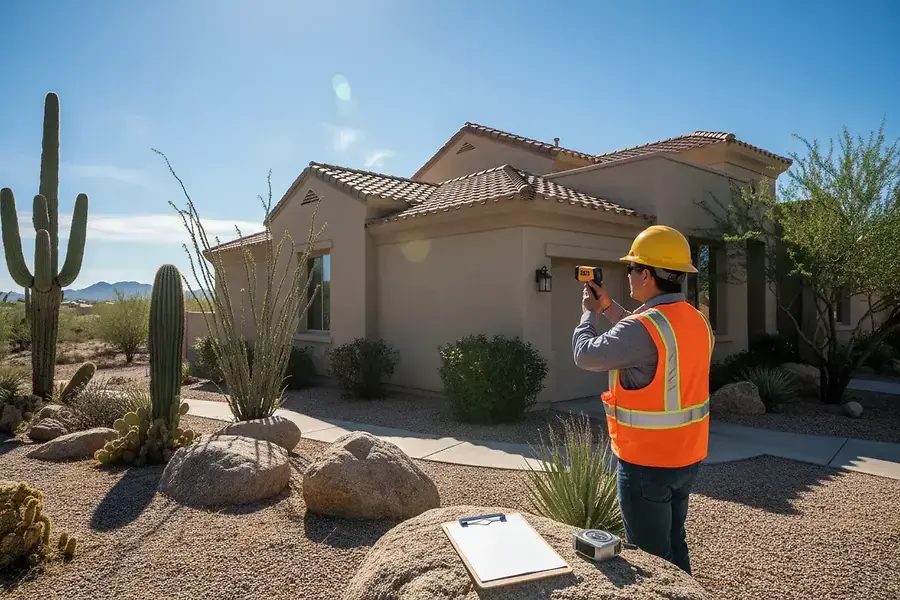
Buying a home in Phoenix is an exciting milestone, but it comes with significant financial responsibility. A professional home inspection is one of the most critical steps in the purchasing process, serving as your safeguard against costly surprises after closing. In Arizona, home inspections typically take 2-4 hours and involve a thorough examination of the property's structural integrity, mechanical systems, and overall condition.
During a standard Phoenix home inspection, a certified inspector will evaluate the roof, foundation, plumbing, electrical systems, HVAC units, and interior components. The inspector will also assess the property's exterior, including walls, windows, doors, and landscaping. It's essential to accompany your inspector during this process, as they can explain findings in real-time and answer your questions about the property's condition.
The inspection report you receive will document all findings, categorizing issues by severity. Understanding this report is crucial for making informed decisions about your purchase and negotiating repairs or credits with the seller.
Desert-Specific Issues: Heat Damage, Cooling Systems, and Foundation Concerns
Heat Damage and Exterior Deterioration
Phoenix's intense desert heat creates unique challenges for homeowners. Extreme temperatures can cause significant wear on roofing materials, siding, and exterior paint. During your inspection, pay close attention to:
- Roof condition: Look for curled, cracked, or missing shingles that may indicate heat damage or age
- Caulking and sealants: Desert heat causes caulk to dry out and crack, potentially allowing water intrusion
- Paint and stain: Fading and peeling are common in Phoenix's UV-intense environment
- Window seals: Heat can compromise window integrity, leading to air leaks and increased cooling costs
Air Conditioning and Cooling Systems
In Phoenix, a functioning air conditioning system isn't a luxury—it's a necessity. Your inspector should thoroughly evaluate the HVAC system, including the compressor, condenser, and ductwork. This is one of the most critical inspections for Arizona homes. Ask your inspector about:
- The age and condition of the AC unit
- Whether the system is properly sized for the home
- Signs of refrigerant leaks or compressor issues
- The condition of ductwork and insulation
- Regular maintenance history
A failing AC system can cost $5,000-$15,000 to replace, making this inspection detail particularly important for your budget planning.
Foundation and Concrete Issues
Phoenix's expansive clay soil and extreme temperature fluctuations can cause foundation problems. The inspector should look for:
- Cracks in the foundation: Small hairline cracks are common, but larger cracks may indicate serious structural issues
- Uneven floors: This can suggest foundation settling or movement
- Gaps between walls and ceilings: These may indicate foundation problems
- Concrete deterioration: Spalling, scaling, or erosion of concrete surfaces
If significant foundation issues are discovered, you may want to hire a specialized foundation engineer for a second opinion before proceeding with your purchase.
How to Review and Interpret Your Inspection Report
Understanding Report Categories
Most inspection reports organize findings into categories such as Satisfactory, Minor Repair, Repair Needed, and Further Evaluation Recommended. Don't panic if you see items listed—most homes have some issues. Focus on understanding the severity and cost implications of each finding.
Prioritizing Issues
Safety concerns should always be your top priority. These include:
- Electrical hazards or code violations
- Gas leaks or carbon monoxide risks
- Structural damage affecting the home's integrity
- Mold or water damage indicating moisture problems
- Failing HVAC systems in Arizona's climate
Cosmetic issues like paint, flooring, or minor wear are less urgent and may be acceptable depending on your budget and preferences.
Getting Clarification
Don't hesitate to contact your inspector with questions about the report. Ask for clarification on technical terms, estimated repair costs, and whether issues are urgent or can be addressed later. Your real estate agent can also help you understand findings and their market implications.
Next Steps: Negotiating Repairs and Making Your Final Decision
Repair Negotiations
After receiving your inspection report, you have several options. You can request that the seller make repairs before closing, ask for a credit to handle repairs yourself, or accept the property as-is. In Phoenix's competitive market, your negotiating position depends on the home's condition and current market dynamics.
When requesting repairs, prioritize safety and major systems. Sellers are more likely to agree to essential repairs than cosmetic improvements. Get repair estimates from licensed contractors to support your negotiation requests.
Making Your Final Decision
Use your inspection report as a tool for informed decision-making, not as a reason to abandon a home you love. Consider:
- The total cost of identified repairs versus the home's purchase price
- Your ability and willingness to handle repairs yourself
- The home's overall value and location
- Your timeline and flexibility
- The condition of comparable homes in the area
"A home inspection is an investment in peace of mind. The cost of an inspection is minimal compared to the potential savings from identifying major issues before purchase."
Final Thoughts
Home inspections are an essential part of the Phoenix homebuying process. By understanding what inspectors look for, recognizing desert-specific concerns, and carefully reviewing your report, you'll be equipped to make a confident decision about your investment. Remember, knowledge is power—and in real estate, it's also protection.


