Essential Home Inspections for Pittsburgh Homebuyers: A Complete Guide
Learn what professional inspectors evaluate to protect your investment in Pittsburgh's unique housing market.

Why Home Inspections Are Critical for Pittsburgh Buyers
Purchasing a home is one of the most significant investments you'll make in your lifetime. In Pittsburgh's competitive real estate market, a professional home inspection serves as your safeguard against hidden defects and costly repairs. Unlike appraisals, which determine a property's market value, inspections focus on the physical condition of the home and its systems.
A thorough inspection can reveal structural issues, outdated electrical systems, plumbing problems, and other concerns that might not be visible during a casual walkthrough. For Pittsburgh homebuyers, this is especially important given the age and character of many properties in the region. By investing in a professional inspection, you gain peace of mind and valuable information to negotiate repairs or price adjustments before closing.
Understanding Pittsburgh's Unique Housing Challenges: Age, Structure, and Regional Factors
The Age Factor
Pittsburgh's housing stock is predominantly older, with many homes built in the early 1900s. While these properties offer charm and character, they also come with unique challenges. Older homes often have outdated electrical systems, aging plumbing, and potential foundation issues that require specialized attention during inspections.
Regional Climate Considerations
Pittsburgh's climate presents specific challenges for homeowners. The region experiences significant temperature fluctuations and moisture issues that can affect basements, attics, and exterior structures. Inspectors pay special attention to:
- Water damage and basement flooding risks
- Roof condition and ice dam potential
- Proper drainage and grading around the foundation
- Ventilation systems to prevent moisture buildup
Structural Characteristics
Many Pittsburgh homes feature distinctive architectural styles with specific structural considerations. Stone foundations, slate roofs, and cast iron plumbing are common in older properties and require knowledgeable inspectors who understand these materials and their maintenance needs.
The Essential Home Inspection Checklist: What Professional Inspectors Evaluate
Exterior Components
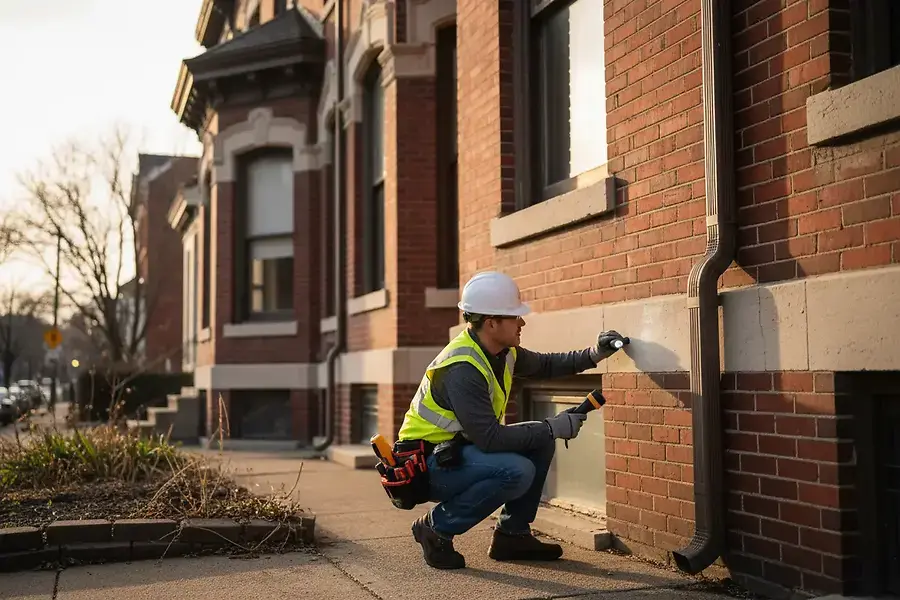
Inspectors begin their evaluation with the home's exterior, examining:
- Roof condition: Age, material type, missing shingles, and flashing integrity
- Gutters and downspouts: Proper drainage and attachment
- Foundation: Cracks, settling, and water intrusion signs
- Siding and trim: Rot, damage, and paint condition
- Windows and doors: Functionality, sealing, and frame condition
Structural Systems
The home's structural integrity is paramount. Inspectors assess:
- Foundation stability and any signs of movement
- Floor joists and support beams for rot or damage
- Attic framing and ventilation
- Basement walls for cracks or water damage
Electrical Systems
Electrical safety is critical in older Pittsburgh homes. Inspectors evaluate the main panel, wiring type, outlet grounding, and overall system capacity. Many older homes still have outdated knob-and-tube wiring or aluminum wiring, which may require upgrades for safety and insurance purposes.
Plumbing Systems
A comprehensive plumbing inspection includes:
- Water supply line material and condition
- Drain line functionality and potential blockages
- Water heater age and condition
- Presence of lead pipes or solder (common in older homes)
- Septic system condition (if applicable)
HVAC Systems
Heating and cooling systems are essential for Pittsburgh's climate. Inspectors check furnace and air conditioning unit age, efficiency, and safety. They also evaluate ductwork for leaks and proper insulation.
Interior Components
Inside the home, inspectors examine:
- Walls and ceilings for water stains, cracks, or mold
- Flooring condition and stability
- Stairs and railings for safety
- Cabinets and countertops
- Appliances included in the sale
Basement and Crawl Spaces
Pittsburgh's basements deserve special attention. Inspectors look for:
- Water intrusion or flooding history
- Mold or mildew growth
- Proper grading and drainage around the foundation
- Sump pump functionality (if present)
- Radon potential (Pittsburgh is in a radon zone)
Safety and Environmental Concerns
Professional inspectors also screen for potential hazards including asbestos, lead paint, carbon monoxide risks, and radon. These environmental concerns are particularly relevant in Pittsburgh's older housing stock and may require additional specialized testing.
Using Inspection Results to Make Confident Purchasing Decisions
Once you receive the inspection report, take time to review it thoroughly. Don't panic over minor issues—every home has some wear and tear. Instead, focus on significant structural problems, safety hazards, and major system failures that could be expensive to repair.
Use the inspection results to:
- Negotiate repairs or credits with the seller
- Request specialized inspections for specific concerns
- Plan for future maintenance and budgeting
- Understand the true condition of your potential investment
"A home inspection is not a deal-breaker—it's a deal-maker. It gives you the information you need to make a confident, informed decision about one of life's biggest purchases."
In Pittsburgh's unique housing market, a professional home inspection is an invaluable tool for protecting your investment. By understanding what inspectors evaluate and taking their findings seriously, you can move forward with confidence in your homebuying journey.


