Essential Home Inspections for Rhode Island Residential Properties
Protect your investment by understanding what inspectors look for in Providence and Narragansett homes.

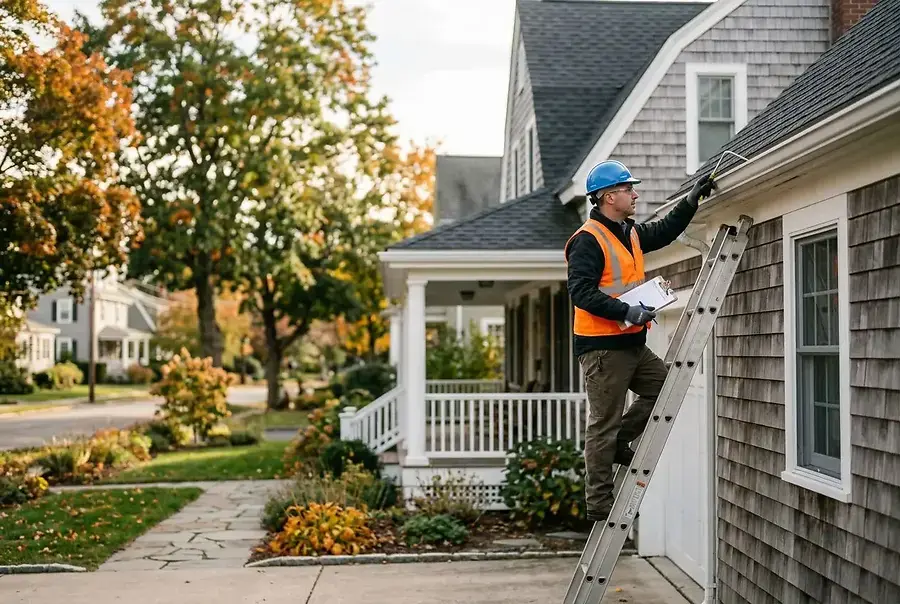
What Professional Home Inspectors Evaluate
A comprehensive home inspection is one of the most critical steps in the home buying process. Professional inspectors in Rhode Island examine multiple systems and structural components to provide you with a detailed assessment of the property's condition.
Structural Components
Inspectors begin by evaluating the foundation, walls, and overall structural integrity of the home. They look for cracks, settling issues, and signs of water damage that could indicate serious problems. The roof condition, including shingles, flashing, and gutters, receives careful attention since Rhode Island experiences significant weather variations throughout the year.
Mechanical Systems
Your inspector will thoroughly examine:
- HVAC Systems: Heating and cooling efficiency, age, and maintenance history
- Plumbing: Water pressure, drainage, pipe materials, and potential leaks
- Electrical: Panel condition, outlet safety, and code compliance
- Water Heater: Age, capacity, and operational status
Interior and Exterior Features
Inspectors assess windows, doors, insulation, flooring, and paint conditions. They also evaluate exterior elements like siding, decks, and landscaping for maintenance needs and potential hazards.
Common Issues Found in Rhode Island Residential Properties
Rhode Island's coastal climate and older housing stock create specific challenges for homeowners. Understanding these common issues helps you make informed decisions.
Moisture and Water Damage
The most prevalent issue in Rhode Island homes is moisture-related damage. Basements and crawl spaces frequently show signs of water intrusion, particularly in older properties. Salt air from coastal proximity accelerates corrosion and deterioration of building materials. Inspectors look for mold, efflorescence, and structural wood damage caused by prolonged moisture exposure.
Aging Infrastructure
Many Rhode Island homes were built decades ago with outdated systems. Common findings include:
- Knob-and-tube wiring or outdated electrical panels
- Cast iron or galvanized pipes prone to corrosion
- Asbestos in insulation, floor tiles, or roofing materials
- Outdated HVAC systems with poor efficiency
Roof and Exterior Deterioration
Rhode Island's weather—including nor'easters and salt spray—takes a toll on roofing materials. Inspectors frequently identify missing shingles, deteriorated flashing, and compromised gutters. Exterior wood siding often shows rot, particularly in areas with poor drainage or ventilation.
Lead Paint and Environmental Concerns
Homes built before 1978 likely contain lead paint. Professional inspectors will note the presence of lead-based paint, which is especially important if you have young children. Additionally, radon testing is recommended in Rhode Island properties, as the state has areas with elevated radon levels.
How to Prepare for Your Home Inspection
Proper preparation ensures the inspector can access all areas and systems efficiently, resulting in a thorough evaluation.
Before the Inspection Day
- Ensure all utilities are functioning and accessible
- Clear pathways to the attic, basement, and crawl spaces
- Make sure the electrical panel and water shut-off valve are easily accessible
- Gather documentation on recent repairs, maintenance records, and system warranties
- Provide information about any known issues or previous damage
During the Inspection
Attend the inspection in person whenever possible. This allows you to ask questions, observe the inspector's findings, and gain valuable knowledge about your potential purchase. Take notes on areas of concern and ask for clarification on technical issues.
After the Inspection
Review the inspection report carefully. Don't hesitate to contact your inspector with follow-up questions. If significant issues are identified, consider hiring a specialist for a more detailed evaluation of that particular system or component.
Using Inspection Reports to Negotiate and Protect Your Purchase
The inspection report is a powerful tool in real estate negotiations and protecting your investment.
Identifying Deal-Breakers
Some issues are serious enough to reconsider the purchase.
Major structural problems, significant water damage, or extensive mold growth can be extremely costly to remediate and may indicate deeper issues with the property.Use the inspection report to identify these critical concerns early.
Negotiation Strategies
Armed with a detailed inspection report, you have several options:
- Request repairs: Ask the seller to fix identified issues before closing
- Request credits: Negotiate a price reduction to cover repair costs yourself
- Request inspections: Demand specialized inspections for major systems
- Walk away: Use serious findings as justification to terminate the purchase agreement
Long-Term Protection
The inspection report serves as documentation of the property's condition at the time of purchase. This protects you from liability for pre-existing conditions and provides a baseline for future maintenance planning. Keep the report with your homeownership records for reference when selling or refinancing.
Planning Your Maintenance
Use inspection findings to create a prioritized maintenance plan. Address critical safety issues immediately, then schedule routine maintenance for systems with limited remaining lifespan. This proactive approach prevents costly emergency repairs and extends the life of your home's systems.
A thorough home inspection is an investment in peace of mind and financial protection. By understanding what inspectors evaluate, recognizing common Rhode Island issues, and properly utilizing inspection reports, you can make confident decisions about your residential property purchase and protect your investment for years to come.


