Essential Home Inspections for Saginaw Buyers: Protect Your Investment
Discover the critical inspection points that protect your investment and prevent costly surprises in your Saginaw home purchase.

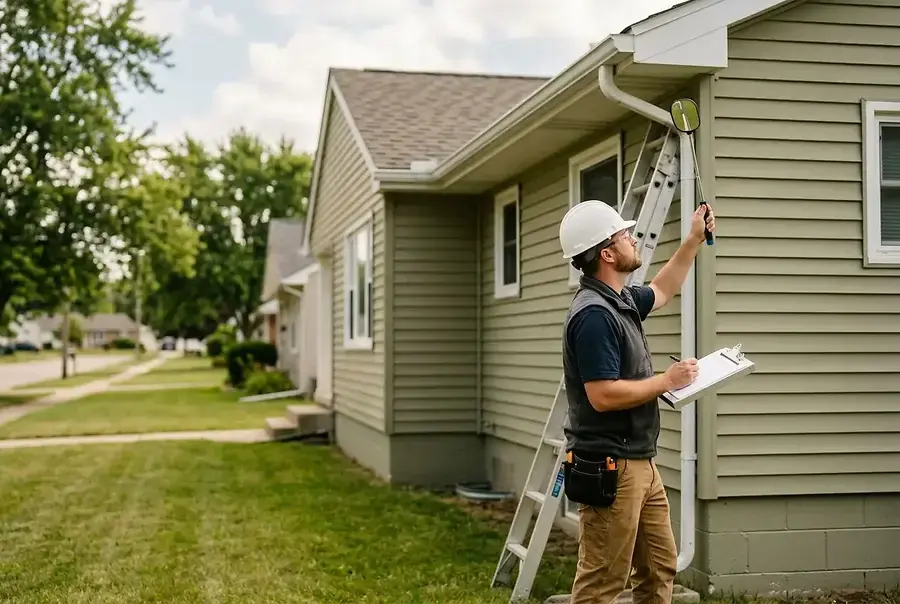
Why Home Inspections Matter in Saginaw
Purchasing a home is one of the most significant financial decisions you'll make in your lifetime. In Saginaw, where properties range from historic Victorian homes to modern constructions, a professional home inspection is not just a formality—it's your safeguard against costly surprises. A thorough inspection can reveal hidden issues that might cost thousands to repair, from structural problems to outdated electrical systems.
Many first-time buyers underestimate the importance of inspections, viewing them as an unnecessary expense. However, the average cost of a home inspection in Saginaw is minimal compared to the potential expenses of addressing undiscovered problems after closing. An inspection gives you leverage in negotiations and peace of mind knowing exactly what you're investing in.
Key Areas Inspectors Examine and What to Watch For
Structural Integrity and Foundation
The foundation is the backbone of any home. Saginaw's climate, with its freeze-thaw cycles, can be particularly tough on foundations. Inspectors look for:
- Cracks in the foundation – Small hairline cracks are common, but larger ones may indicate serious problems
- Water damage and moisture – Basements and crawl spaces should be dry and properly ventilated
- Settling or shifting – Uneven floors or doors that don't close properly can signal foundation issues
- Proper grading – Soil should slope away from the home to prevent water accumulation
Roofing and Exterior
Your roof protects everything beneath it. Inspectors evaluate:
- Roof age and condition – Most roofs last 20-25 years; knowing the age helps you budget for replacement
- Missing or damaged shingles – These can lead to leaks and interior water damage
- Flashing and gutters – Proper drainage is essential to prevent water intrusion
- Siding and exterior walls – Look for rot, damage, or deterioration that affects the home's weather resistance
Plumbing Systems
Water-related issues are among the most expensive to repair. Inspectors check:
- Water pressure and flow – Weak pressure may indicate pipe problems or mineral buildup
- Pipe materials and condition – Older homes may have outdated materials prone to failure
- Drainage systems – Slow drains can indicate blockages or deteriorating pipes
- Water heater functionality – Age, condition, and proper venting are critical safety concerns
Electrical Systems
Electrical problems pose serious safety risks. Professional inspectors examine:
- Panel condition and capacity – Outdated panels may not safely handle modern electrical demands
- Grounding and bonding – Proper grounding protects against electrical hazards
- Outlet and switch functionality – Non-functioning outlets may indicate deeper wiring issues
- GFCI protection – Bathrooms and kitchens should have ground fault protection
HVAC and Climate Control
Heating and cooling systems are essential in Saginaw's climate. Inspectors assess:
- Furnace and air conditioning age – Systems typically last 15-20 years
- Proper ventilation – Adequate airflow prevents moisture and mold issues
- Ductwork condition – Leaky ducts reduce efficiency and increase energy costs
- Thermostat functionality – Proper temperature control is essential for comfort and efficiency
Interior Conditions
Inspectors also evaluate the home's interior for:
- Mold and moisture – Hidden mold can cause health issues and structural damage
- Insulation levels – Proper insulation affects energy efficiency and comfort
- Windows and doors – Functionality and weatherproofing prevent energy loss
- Flooring and walls – Signs of water damage, settling, or pest activity
Understanding Your Inspection Report and Next Steps
What to Expect in Your Report
A comprehensive inspection report will be detailed and organized by system. It should include photographs, descriptions of issues found, and recommendations for repairs or further evaluation. Reports typically categorize findings as:
- Safety concerns – Issues that pose immediate risks
- Major repairs needed – Significant problems requiring professional attention
- Minor repairs or maintenance – Small issues that should be addressed
- Recommendations for further evaluation – Areas needing specialist assessment
Using Your Report for Negotiations
Armed with your inspection report, you have several options. You can request that the seller make repairs before closing, ask for a credit toward repairs you'll handle yourself, or renegotiate the purchase price. In Saginaw's competitive market, understanding which issues are deal-breakers versus manageable helps you make strategic decisions.
Planning for Future Maintenance
Even if no major issues are found, your inspection report provides a roadmap for future maintenance. Knowing the age of major systems helps you budget for eventual replacements and plan preventative maintenance to extend their lifespan.
Making Informed Decisions with Inspection Data
A home inspection is an investment in your future. It provides objective, professional assessment of the property's condition and helps you make informed decisions. Whether you're a first-time buyer or an experienced investor, understanding what inspectors look for in Saginaw homes empowers you to protect your investment.
Don't skip the inspection to save money or speed up the closing process. The insights gained from a thorough inspection far outweigh the modest cost, giving you confidence in your purchase and helping you avoid expensive surprises down the road. Your dream home in Saginaw deserves the same careful evaluation you'd give any major investment.


