Essential Home Inspections for Seattle Residential Buyers: A Complete Guide
Learn what professional home inspectors look for and how to protect your investment in Seattle's competitive real estate market.

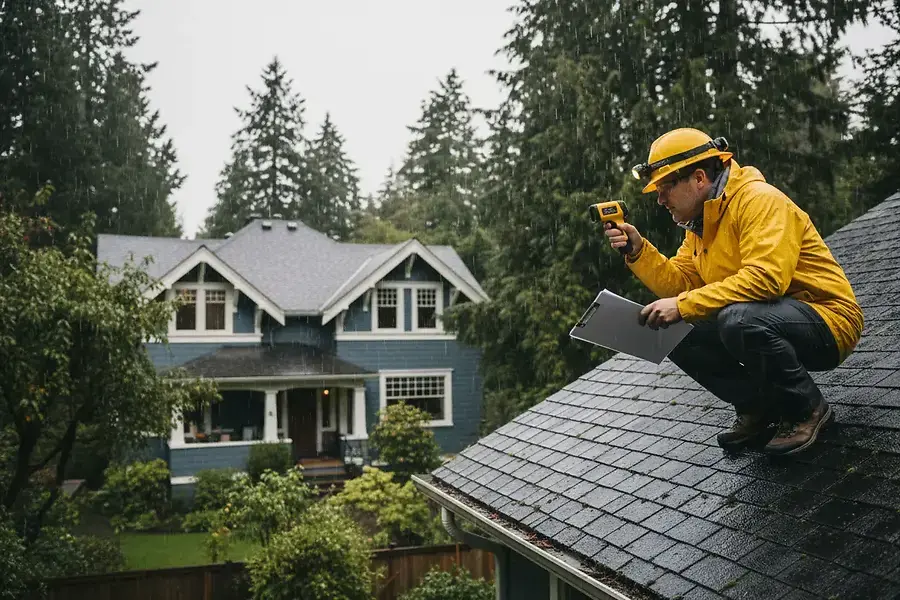
Understanding Seattle's Unique Housing Inspection Requirements
Seattle's climate and geography create specific inspection challenges that differ from other regions. The Pacific Northwest's wet climate, combined with the area's older housing stock, means home inspectors must pay special attention to moisture-related issues. Understanding these unique requirements is crucial for any residential buyer in the Seattle area.
Washington State requires home inspectors to be licensed and follow specific standards. Professional inspectors in Seattle must examine structural integrity, electrical systems, plumbing, heating, and ventilation systems. However, the emphasis on moisture detection and mold prevention is particularly important in this region due to the frequent rainfall and high humidity levels.
Why Seattle Homes Need Specialized Inspection Attention
The Seattle area experiences approximately 150 days of rain annually, making water intrusion one of the most critical concerns. Older homes, which comprise a significant portion of Seattle's residential market, often have aging roofs, deteriorating foundations, and outdated waterproofing systems. A thorough inspection should identify these vulnerabilities before you commit to your purchase.
Common Issues Found in Seattle Residential Properties
Moisture and Water Damage
Water damage is the most prevalent issue found in Seattle homes. Inspectors look for:
- Roof leaks and damaged shingles
- Compromised flashing around chimneys and vents
- Basement seepage and foundation cracks
- Rotting wood in siding, fascia, and trim
- Mold growth in crawl spaces and attics
These issues can lead to expensive repairs if not addressed early. A professional inspector will use moisture meters and thermal imaging to detect hidden water damage that isn't visible to the naked eye.
Roof and Gutter Problems
Seattle's rainy climate puts significant stress on roofing systems. Inspectors evaluate roof age, condition, and remaining lifespan. They also examine gutters and downspouts to ensure proper water drainage away from the foundation. Many Seattle homes require roof replacement within 15-20 years, so understanding the current condition is essential for budgeting.
Foundation and Structural Issues
Older Seattle homes often have foundation problems ranging from minor settling to significant structural concerns. Inspectors look for:
- Cracks in concrete or masonry foundations
- Signs of settling or shifting
- Inadequate drainage around the foundation
- Deteriorating basement walls
HVAC and Ventilation Systems
Heating systems in Seattle homes vary widely, from older oil furnaces to modern heat pumps. Inspectors assess the age, efficiency, and functionality of these systems. Proper ventilation is also critical to prevent moisture accumulation and mold growth in the home's interior spaces.
Electrical and Plumbing Systems
Older Seattle homes may have outdated electrical systems, including aluminum wiring or insufficient capacity for modern appliances. Plumbing issues often include galvanized pipes that have corroded over time, leading to reduced water pressure and potential contamination. Inspectors test all outlets, switches, and water pressure to identify these problems.
Working with a Professional Inspector: Questions to Ask
Selecting the Right Inspector
Choose an inspector who is licensed in Washington State and has specific experience with Seattle-area homes. Ask potential inspectors about their background, certifications, and how many homes they've inspected in your neighborhood.
Essential Questions to Ask Your Inspector
Before the inspection:
- How long will the inspection take?
- What areas will be included in the inspection?
- Do you have experience with homes of this age and style?
- Will you use specialized equipment like moisture meters or thermal imaging?
- How detailed will the written report be?
After the inspection:
- What are the most significant issues found?
- Which problems require immediate attention versus long-term maintenance?
- What are estimated repair costs for major issues?
- Are there any safety concerns I should know about?
- What preventive maintenance do you recommend?
Understanding the Inspection Report
A comprehensive inspection report should clearly categorize findings by severity. Look for sections on structural components, systems, and potential safety hazards. The report should include photographs of problem areas and recommendations for further evaluation by specialists when needed.
Using Inspection Results to Negotiate Better Terms
Leveraging Inspection Findings
Once you have the inspection report, you have valuable information for negotiations. Document all significant issues and obtain repair estimates from qualified contractors. This gives you concrete data to present to the seller.
Negotiation Strategies
You have several options when inspection reveals problems:
- Request repairs: Ask the seller to fix major issues before closing
- Request credits: Negotiate a reduction in the purchase price to cover repairs
- Request escrow: Have funds held in escrow to ensure repairs are completed
- Walk away: If issues are too severe, you may choose to terminate the purchase
In Seattle's competitive market, sellers may be reluctant to make repairs. Requesting a price reduction is often more successful, allowing you to hire contractors of your choice and maintain quality control.
Planning for Future Maintenance
Even if you successfully negotiate repairs, use the inspection report to plan long-term maintenance. Understanding the condition of major systems helps you budget for future replacements and avoid unexpected expenses. Create a maintenance schedule based on the inspector's recommendations and the age of your home's components.
Getting a Second Opinion
For significant issues, consider hiring a specialist inspector. A structural engineer can evaluate foundation concerns, a roofer can assess roof condition, and a mold specialist can test for contamination. These additional inspections provide confidence in your negotiating position and investment decision.
A thorough home inspection is one of the most important steps in the home-buying process. It protects your investment and provides peace of mind as you make one of the largest financial decisions of your life.
Moving Forward with Confidence
Armed with a comprehensive inspection report and professional guidance, you can make an informed decision about your Seattle home purchase. Whether you negotiate repairs, request credits, or proceed as planned, you'll do so with full knowledge of your investment's condition. This knowledge is invaluable in Seattle's competitive real estate market.