Essential Home Inspections for Sedona Buyers: Protect Your Investment
Master the critical inspection process to protect your investment in Sedona's unique desert properties.

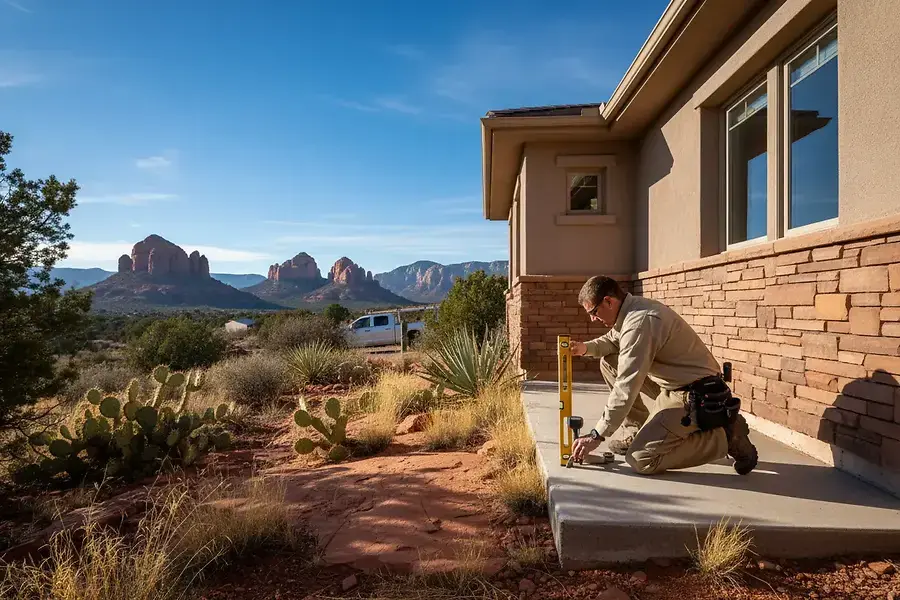
Why Home Inspections Matter in Sedona's Market
Purchasing a home in Sedona is an exciting investment, but it requires careful due diligence. Home inspections are not just a formality—they are your first line of defense against costly surprises after closing. Sedona's unique desert environment presents distinct challenges that differ significantly from other real estate markets across the country.
A comprehensive home inspection can reveal hidden problems ranging from structural issues to mechanical failures. In Sedona's competitive market, buyers who understand what to look for gain a significant advantage. An inspection protects your financial investment and ensures you're making an informed decision about one of the largest purchases of your life.
The inspection process typically takes 2-4 hours and involves a licensed professional examining every accessible part of the property. This investment in time and money can save you thousands of dollars in unexpected repairs down the road.
Understanding Sedona-Specific Inspection Concerns: Desert Climate and Geology
Desert Heat and Extreme Temperature Fluctuations
Sedona's intense desert heat places unique demands on home systems. Extreme temperature variations between day and night can stress roofing materials, HVAC systems, and exterior finishes. Inspectors should pay special attention to:
- Air conditioning system capacity and efficiency
- Roof condition and reflective coatings
- Weatherstripping and insulation quality
- Window and door seals
Water Management in an Arid Environment
Despite Sedona's dry climate, water management remains critical. When monsoon rains arrive, they come with intensity. Proper drainage systems are essential to prevent foundation damage and erosion. Inspectors should evaluate:
- Grading and slope away from the foundation
- Gutters and downspout systems
- Drainage swales and retention areas
- Evidence of past water intrusion or flooding
Geological Considerations
Sedona's distinctive red rock formations create unique geological challenges. The area sits on expansive clay soils that can shift with moisture changes. Inspectors must assess foundation stability and look for signs of settling or movement. Additionally, some properties may be built on or near areas with historical mining activity, which can affect structural integrity.
Key Areas to Evaluate: From Foundation to Roof in Arizona's Terrain
Foundation and Structural Integrity
The foundation is your home's most critical component. In Sedona, inspectors should look for:
- Cracks in concrete slabs or block walls
- Signs of settling or uneven floors
- Moisture intrusion in basements or crawl spaces
- Proper grading and drainage around the perimeter
Expansive soils can cause foundations to shift over time. A thorough inspection will identify whether previous damage has been properly repaired.
Roofing Systems
Sedona's intense sun exposure accelerates roof deterioration. Inspectors should examine:
- Shingle condition and remaining lifespan
- Flashing around chimneys and vents
- Proper ventilation in attic spaces
- Evidence of leaks or water damage
Many Sedona homes feature flat roofs or low-slope designs. These require special attention to ensure proper drainage and waterproofing.
HVAC and Cooling Systems
Air conditioning is not a luxury in Sedona—it's a necessity. Inspectors should verify that cooling systems are appropriately sized for the home and functioning efficiently. An undersized or failing AC system can be extremely expensive to replace. Request documentation of recent maintenance and service records.
Plumbing and Water Systems
Sedona's hard water can cause mineral buildup in pipes and fixtures. Inspectors should check:
- Water pressure and flow rates
- Pipe material and condition
- Water heater age and functionality
- Evidence of leaks or corrosion
Well water systems, common in some Sedona areas, require additional testing for water quality and quantity.
Electrical Systems
Older homes may have outdated electrical systems that cannot handle modern power demands. Inspectors should evaluate panel capacity, grounding, and the presence of any recalled components. Solar panel installations, increasingly common in Sedona, should also be assessed for proper integration and safety.
Exterior and Landscaping
Sedona's natural landscape is both beautiful and demanding. Inspectors should assess:
- Exterior wall condition and paint integrity
- Deck and patio structural soundness
- Erosion control measures
- Native plant landscaping and irrigation systems
The desert environment requires specific maintenance practices. Understanding the condition of exterior elements helps you plan for future upkeep and budget accordingly.
Making Informed Decisions Before Closing Your Sedona Home Purchase
A professional home inspection is your opportunity to gain complete transparency about the property's condition. Never skip this critical step, regardless of how perfect a home appears. Use the inspection report to:
- Identify necessary repairs before closing
- Negotiate repair credits or price adjustments
- Plan for future maintenance and upgrades
- Understand the home's true condition and value
Work with a qualified inspector who has specific experience with Sedona properties and understands desert-climate challenges. Ask questions about any concerns raised in the report and request clarification on repair recommendations.
Remember that no home is perfect, but a thorough inspection ensures you understand exactly what you're purchasing. By taking the time to evaluate your Sedona property carefully, you protect your investment and set yourself up for successful homeownership in this unique and beautiful desert community.


