Essential Home Inspections for Silicon Valley Real Estate Buyers
Discover what professional inspectors look for and how to protect your investment in competitive Bay Area markets.

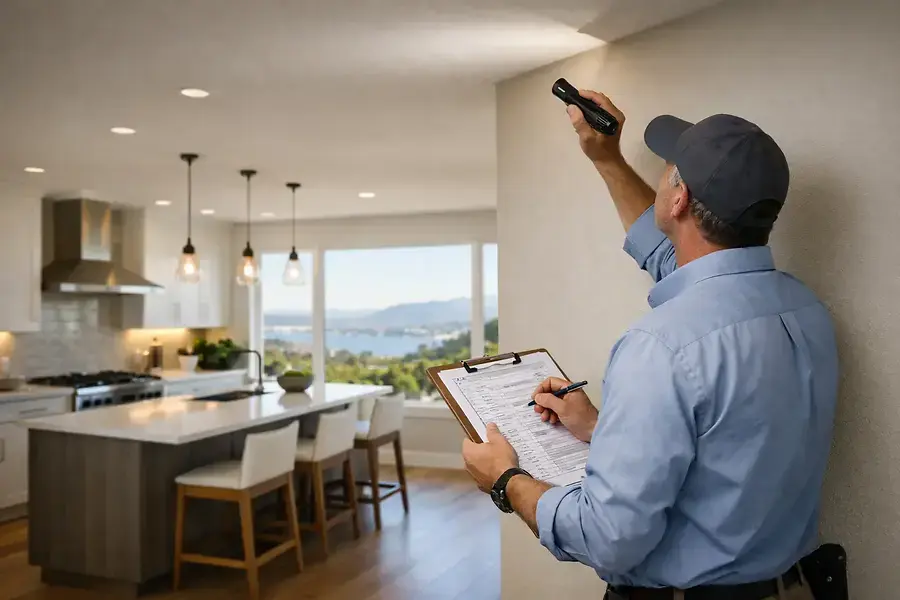
Why Home Inspections Matter in Silicon Valley's Fast-Paced Market
In Silicon Valley's competitive real estate landscape, the pressure to make quick offers can be overwhelming. However, skipping or rushing through a professional home inspection is a costly mistake that many buyers regret. A thorough inspection serves as your financial safeguard, revealing hidden issues that could cost thousands in repairs down the line.
The Bay Area's unique climate, aging housing stock, and high property values make inspections even more critical. Properties in this region face specific challenges including seismic concerns, moisture damage, and outdated electrical systems. Understanding what inspectors look for helps you make informed decisions and negotiate effectively with sellers.
A professional home inspection typically costs between $400 and $800, but it can save you from purchasing a property with six-figure repair needs. In a market where homes sell quickly, having a comprehensive inspection report gives you leverage and peace of mind.
Key Areas Professional Inspectors Evaluate in Bay Area Homes
Structural Integrity and Foundation
Silicon Valley inspectors pay close attention to foundation issues, which are particularly common in older Bay Area homes. They look for:
- Cracks in concrete foundations or basement walls
- Signs of settling or shifting in the structure
- Water damage or moisture intrusion in crawl spaces
- Proper grading around the foundation to prevent water pooling
Given California's seismic activity, foundation stability is not just about comfort—it's about safety and long-term value.
Electrical Systems
Many Silicon Valley homes were built decades ago with electrical systems that don't meet modern demands. Inspectors evaluate:
- The age and condition of the main electrical panel
- Presence of outdated knob-and-tube wiring
- Adequate grounding and proper circuit breaker installation
- Capacity to handle modern appliances and technology needs
Outdated electrical systems are a fire hazard and may require expensive upgrades to meet current building codes.
Plumbing and Water Systems
Water-related issues are among the most expensive problems in Bay Area homes. Professional inspectors check:
- Pipe material and condition (galvanized, copper, or PVC)
- Water pressure and flow rates
- Presence of leaks or water stains
- Proper drainage and septic system functionality
- Water heater age and condition
Corroded or failing pipes can lead to water damage, mold, and costly replacements.
Roof and Exterior
The roof is one of your home's most critical protective barriers. Inspectors examine:
- Roof age and remaining lifespan
- Missing, cracked, or curling shingles
- Proper ventilation and insulation
- Gutters, downspouts, and drainage systems
- Exterior siding, windows, and doors for water intrusion
A roof replacement can cost $15,000 to $30,000, making this assessment crucial.
HVAC Systems
Bay Area homes need reliable heating and cooling systems. Inspectors evaluate:
- Age and efficiency of furnaces and air conditioning units
- Proper ductwork installation and sealing
- Thermostat functionality
- Regular maintenance history
Insulation and Energy Efficiency
Many older Silicon Valley homes lack adequate insulation. Inspectors check attic insulation levels, window condition, and air sealing to assess energy efficiency and comfort.
Red Flags and Common Issues Found in Silicon Valley Properties
Water Damage and Mold
The Bay Area's winter rains and coastal moisture create ideal conditions for water damage and mold growth. Look for water stains, soft spots in walls, or musty odors—these indicate serious moisture problems that require professional remediation.
Seismic Concerns
Older homes without proper seismic bracing are at risk during earthquakes. Inspectors look for:
- Proper foundation bolting
- Cripple wall bracing
- Flexible utility connections
Seismic upgrades can be expensive but are essential for safety in California.
Outdated Systems and Code Violations
Many Bay Area homes have systems that don't meet current building codes. Common violations include:
- Missing GFCI outlets in bathrooms and kitchens
- Inadequate ventilation in bathrooms
- Non-compliant electrical panels
- Missing or inadequate handrails on stairs
Pest Damage
Termites and wood-boring insects are common in Silicon Valley. Inspectors look for:
- Evidence of termite tunnels or damage
- Carpenter ant activity
- Dry rot in wooden structures
Pest damage can compromise structural integrity and requires professional treatment.
Asbestos and Lead Paint
Homes built before the 1980s may contain asbestos in insulation, floor tiles, or roofing materials. Homes built before 1978 likely have lead paint. These hazardous materials require professional abatement and add significant costs to renovations.
Using Inspection Insights to Make Confident Offers
A comprehensive home inspection report is more than just a list of problems—it's a negotiation tool. Use inspection findings to:
- Request repairs: Ask the seller to fix critical issues before closing
- Negotiate price reductions: Use repair estimates to justify lower offers
- Plan renovations: Prioritize repairs based on safety and cost
- Budget for maintenance: Understand upcoming expenses and plan accordingly
In Silicon Valley's competitive market, having a professional inspection completed quickly can give you an advantage. It shows sellers you're serious while protecting your interests.
Remember: A home inspection is not just about finding problems—it's about making an informed investment decision in one of the nation's most expensive real estate markets.
Don't let the pressure of a fast-moving market rush you into skipping this essential step. A thorough home inspection is your best defense against costly surprises and your key to confident homeownership in Silicon Valley.