Essential Home Inspections for Silicon Valley Residential Buyers
Critical checkpoints every buyer should know before closing on a residential property in the Bay Area.

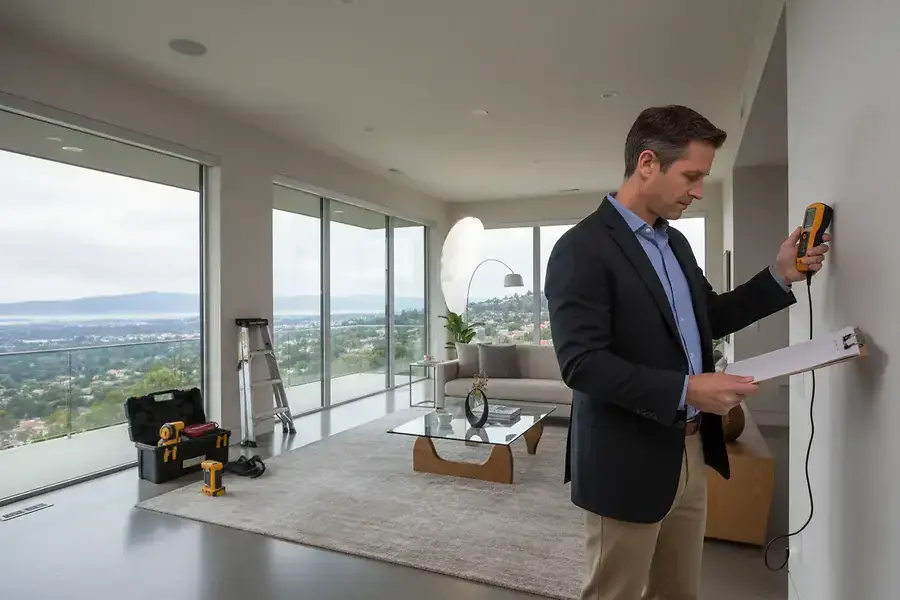
Understanding the Home Inspection Process
A home inspection is one of the most critical steps in the residential buying process, particularly in Silicon Valley where property values are exceptionally high. This professional evaluation provides you with a comprehensive understanding of your potential property's condition before you commit to the purchase.
The inspection typically takes two to four hours and involves a licensed inspector examining the home's structural integrity, mechanical systems, and overall safety. In the Bay Area, where homes range from historic Victorian properties to modern tech-forward residences, inspectors must be familiar with diverse architectural styles and regional building codes.
Why is this important? A thorough inspection can reveal costly issues that might not be visible during casual walkthroughs. This knowledge empowers you to make informed decisions about your investment and negotiate repairs or credits before closing.
Choosing the Right Inspector
Not all inspectors are created equal. Look for professionals who are:
- Licensed and certified by recognized organizations
- Experienced with Bay Area properties and climate conditions
- Insured and bonded for your protection
- Willing to explain findings in detail during the walkthrough
Many Silicon Valley buyers benefit from having the inspector explain issues in real-time, allowing you to ask questions and understand the severity of any concerns.
Key Areas Inspectors Examine in Silicon Valley Homes
Structural Components
Inspectors evaluate the foundation, framing, and overall structural integrity. In Silicon Valley, where seismic activity is a consideration, inspectors pay special attention to earthquake safety features and foundation stability. Cracks in the foundation or settling issues can be expensive to repair and should be thoroughly documented.
Roofing and Exterior
The roof is your home's first line of defense against the elements. Inspectors assess:
- Roof age and remaining lifespan
- Signs of leaks or water damage
- Gutter and drainage systems
- Exterior walls, siding, and paint condition
- Windows and door seals
Bay Area weather patterns, including occasional heavy rains and intense sun exposure, make roof condition particularly important.
Plumbing and Water Systems
Water-related issues are among the most costly repairs. Inspectors check for:
- Water pressure and flow rates
- Pipe material and condition (older homes may have outdated plumbing)
- Water heater age and functionality
- Signs of leaks or water damage
- Septic systems or sewer connections
Pro tip: Ask about the age of the water heater—replacement can cost $1,500 to $3,000 in the Bay Area.
Electrical Systems
A safe electrical system is non-negotiable. Inspectors examine:
- Panel capacity and condition
- Grounding and bonding
- Outlet and switch functionality
- Signs of outdated or unsafe wiring
- GFCI protection in wet areas
Homes built before the 1980s may have outdated electrical systems that don't meet current safety standards.
HVAC and Climate Control
Silicon Valley's mild climate doesn't mean HVAC systems aren't important. Inspectors assess heating, cooling, and ventilation systems for age, efficiency, and proper operation. Replacing an HVAC system can exceed $5,000, so understanding its condition is crucial.
Insulation and Ventilation
Proper insulation affects energy efficiency and comfort. Inspectors check attic insulation, ventilation, and signs of moisture problems that could indicate inadequate airflow.
How to Interpret Your Inspection Report and Negotiate Repairs
Understanding the Report
Inspection reports typically categorize findings into three levels:
- Safety Issues: Problems that pose immediate danger and require urgent attention
- Major Repairs: Significant issues affecting home systems or structure
- Minor Issues: Cosmetic or small maintenance concerns
A thorough report includes photographs, descriptions, and recommendations for each finding. Take time to understand what each issue means and its potential cost.
Negotiation Strategies
Once you have the inspection report, you have several options:
- Request repairs: Ask the seller to fix critical issues before closing
- Request credits: Negotiate a price reduction to cover repair costs yourself
- Request inspections: For major issues, ask for specialized inspections (foundation, pest, etc.)
- Walk away: If issues are too severe or costly, you may choose to terminate the purchase
In Silicon Valley's competitive market, sellers may be reluctant to make repairs. Be strategic—prioritize safety issues and major systems over cosmetic concerns. Your real estate agent can help you understand what's negotiable in your specific market conditions.
Getting Specialized Inspections
For significant findings, consider hiring specialists:
- Structural engineers for foundation concerns
- Pest control inspectors for termite or wood damage
- Mold specialists if moisture issues are suspected
- Electrical contractors for complex wiring problems
These additional inspections cost $300-$800 each but can provide crucial information for negotiation.
Moving Forward with Confidence After Your Inspection
Creating a Maintenance Plan
Even if the inspection reveals no major issues, use the report to create a maintenance schedule. Understanding your home's systems and their expected lifespan helps you budget for future repairs and replacements.
Documenting Everything
Keep your inspection report, all communications with the seller, and any repair estimates in a safe place. These documents are valuable for future reference, warranty claims, and resale purposes.
Final Walkthrough
Before closing, conduct a final walkthrough to ensure any agreed-upon repairs were completed satisfactorily. Verify that the property condition matches what was documented in the inspection report.
A comprehensive home inspection is your opportunity to invest in peace of mind. By understanding what inspectors examine, interpreting findings accurately, and negotiating strategically, you can move forward with confidence in your Silicon Valley home purchase. Remember: this inspection protects one of your most significant investments.


