Essential Home Inspections for Southlake Homebuyers: A Complete Guide
Learn what to expect during a home inspection and how to protect your investment in Southlake's competitive real estate market.

Understanding the Inspection Process in Southlake's Market
Purchasing a home in Southlake is one of the most significant investments you'll make. A professional home inspection is your opportunity to uncover potential issues before you commit to the purchase. In Southlake's competitive real estate market, understanding the inspection process can give you a substantial advantage.
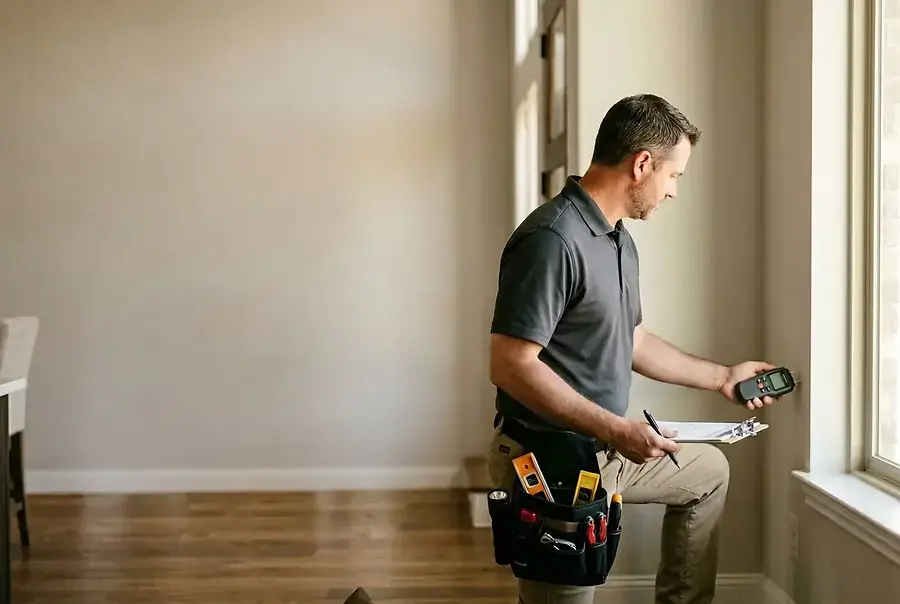
A typical home inspection takes between two to four hours and covers all major systems and components of the property. The inspector will examine the roof, foundation, electrical systems, plumbing, HVAC systems, and structural integrity. Licensed home inspectors in Texas must follow specific standards and provide detailed written reports documenting their findings.
What to Expect During Your Inspection
As a homebuyer, you have the right to be present during the inspection. This is highly recommended, as it allows you to ask questions and understand potential issues firsthand. The inspector will walk through the property systematically, checking:
- Roof condition and remaining lifespan
- Foundation cracks or settling issues
- Electrical panel and wiring safety
- Plumbing functionality and water pressure
- HVAC system efficiency and age
- Insulation and ventilation
- Windows, doors, and weatherproofing
- Appliances and built-in systems
The inspector will document everything with photographs and detailed notes. This comprehensive report becomes your roadmap for negotiations and future maintenance planning.
Common Issues Found in Southlake Homes and How to Address Them
Southlake's homes, particularly those built in the last few decades, tend to have certain recurring issues. Understanding these common problems helps you evaluate inspection reports more effectively.
Roof and Attic Concerns
Many Southlake homes experience roof issues due to the Texas climate's extreme heat and occasional severe weather. Roof age is critical—most asphalt shingles last 15-20 years. If your inspection reveals an aging roof, budget for replacement within the next few years. Attic ventilation problems are also common, leading to moisture buildup and reduced energy efficiency.
Foundation and Structural Issues
The clay soil common in the Southlake area can shift seasonally, potentially causing minor foundation cracks. While small hairline cracks are often cosmetic, larger cracks or signs of settling warrant professional evaluation. Foundation issues can be expensive, so this is a critical negotiation point.
HVAC System Age and Efficiency
Air conditioning systems are essential in Texas. Inspectors will note the age and condition of your HVAC system. Units older than 10-15 years may need replacement soon. This is valuable information for budgeting and negotiation purposes.
Plumbing and Water Pressure
Older homes may have outdated plumbing materials or water pressure issues. Inspectors test water pressure and check for signs of leaks or corrosion. Galvanized pipes in older homes often need replacement, which can be a significant expense.
Negotiating Repairs and Protecting Your Investment
Once you receive the inspection report, you enter the negotiation phase. This is where your inspection knowledge becomes invaluable in Southlake's competitive market.
Prioritizing Issues
Not all inspection findings require immediate attention. Categorize issues into three groups:
- Critical Issues: Safety hazards or major system failures requiring immediate repair
- Important Issues: Problems that will worsen if not addressed soon
- Minor Issues: Cosmetic or low-priority items that can wait
Repair Negotiation Strategies
You have several options when addressing inspection findings. You can request the seller make repairs before closing, ask for a credit to handle repairs yourself, or request a price reduction. In Southlake's market, sellers often prefer credits or price reductions over making repairs themselves.
"The inspection report is your negotiating tool. Use it strategically to protect your investment without overreaching on minor issues."
Get multiple repair estimates for significant issues. This gives you concrete numbers for negotiations and helps you understand the true cost of addressing problems. Always prioritize safety-related issues like electrical hazards or structural concerns.
Protecting Your Long-Term Investment
Consider the long-term implications of inspection findings. A roof that needs replacement in three years is different from one that needs it immediately. Factor these future expenses into your overall budget and decision-making process.
Final Walkthrough: Your Last Chance to Verify Everything
The final walkthrough occurs just before closing and is your last opportunity to verify that agreed-upon repairs were completed and the property is in the expected condition.
What to Check During Final Walkthrough
Bring your inspection report and create a checklist of items to verify:
- Confirm all agreed-upon repairs were completed properly
- Verify that no new damage has occurred since inspection
- Check that all appliances and fixtures mentioned in the contract are present
- Test lights, plumbing, and HVAC systems
- Look for any signs of water damage or pest activity
- Ensure the property is in the agreed-upon condition
Don't Skip This Step
The final walkthrough is not optional. Many homebuyers overlook this crucial step, only to discover problems after closing. This is your final protection before the keys change hands. If you notice issues, contact your real estate agent immediately to address them before closing.
By understanding the home inspection process, recognizing common Southlake issues, negotiating effectively, and conducting a thorough final walkthrough, you protect your investment and ensure a smooth home purchase. In Southlake's competitive market, being informed and proactive gives you the confidence to make the best decision for your family's future home.


