Essential Home Inspections for Tampa Residential Buyers and Sellers
Discover the critical inspection points that determine buyer confidence and home value in Tampa's competitive market.

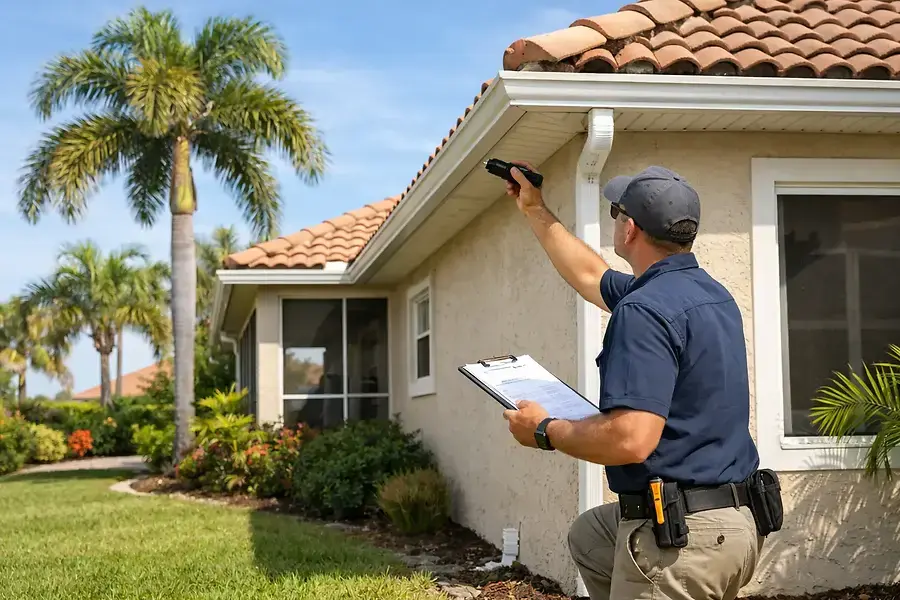
Why Home Inspections Matter in Tampa's Real Estate Market
In Tampa's fast-paced real estate market, home inspections serve as a critical safeguard for both buyers and sellers. For buyers, a thorough inspection reveals potential issues before making one of life's largest investments. For sellers, a pre-listing inspection demonstrates transparency and builds buyer confidence, often leading to faster sales and better offers.
Tampa's unique climate and construction environment create specific challenges that inspectors must evaluate. The combination of humidity, salt air, and intense sun exposure can accelerate wear and tear on homes. Understanding what inspectors look for helps both parties navigate the transaction with greater confidence and clarity.
A professional home inspection is not just a formality—it's a crucial investment in your real estate decision. Whether you're buying or selling, knowing what inspectors prioritize can make the difference between a smooth transaction and costly surprises down the road.
The Top Inspection Issues Tampa Inspectors Find in Residential Properties
Roof and Weather-Related Damage
Tampa's intense sun and frequent storms make roof inspections paramount. Inspectors look for:
- Missing or damaged shingles and tiles
- Signs of water damage and leaks
- Deteriorated flashing around chimneys and vents
- Moss or algae growth indicating moisture retention
The roof is often the most expensive component to replace, making this inspection point critical for both parties.
Air Conditioning and HVAC Systems
In Tampa's subtropical climate, a functioning AC system is non-negotiable. Inspectors evaluate:
- System age and maintenance history
- Refrigerant levels and leaks
- Ductwork condition and efficiency
- Thermostat functionality
A well-maintained HVAC system can last 15-20 years, while a neglected one may fail within 5-10 years. This significantly impacts a home's value and buyer appeal.
Plumbing and Water Intrusion
Florida's high water table and humidity create unique plumbing challenges. Inspectors examine:
- Pipe material and corrosion signs
- Water pressure and drainage issues
- Evidence of past or present water damage
- Sump pump functionality (if applicable)
Water damage is one of the most costly issues to remediate, making thorough plumbing inspection essential.
Foundation and Structural Integrity
Tampa's sandy soil and moisture levels can affect foundations over time. Inspectors look for:
- Cracks in concrete or foundation walls
- Uneven floors or settling
- Signs of previous foundation repairs
- Proper grading and drainage around the foundation
Foundation issues can be expensive and complex, making early detection crucial.
Electrical Systems
Older Tampa homes may have outdated electrical systems. Inspectors assess:
- Panel capacity and condition
- Proper grounding and bonding
- Presence of outdated wiring (aluminum, knob-and-tube)
- GFCI outlets in wet areas
Electrical safety is paramount, and upgrades can be costly if issues are discovered after purchase.
How to Prepare Your Tampa Home for a Professional Inspection
Before the Inspector Arrives
Clear access to all areas. Ensure inspectors can reach the attic, crawl spaces, basement, and exterior components without obstacles. Remove personal items from inspection areas to allow thorough evaluation.
Document maintenance records. Compile receipts and documentation for recent repairs, replacements, and maintenance. This demonstrates responsible homeownership and can address potential concerns proactively.
Address obvious issues. While you shouldn't hide problems, fixing minor issues like loose railings, broken light fixtures, or clogged gutters shows care and attention to detail.
During the Inspection
Stay available to answer questions about the home's history and any previous repairs. However, avoid hovering or being defensive about findings. Inspectors are professionals looking for facts, not making judgments about your housekeeping.
Take notes on inspector recommendations. Understanding their concerns helps you address issues appropriately, whether for your own benefit or to provide context to potential buyers.
After the Inspection
Review the inspection report carefully. If you're a seller, consider addressing significant issues before listing or being transparent about them. If you're a buyer, use the report to negotiate repairs or credits with the seller.
A professional inspection report is a roadmap for understanding your home's true condition and planning for future maintenance and repairs.
Using Inspection Results to Strengthen Your Home's Market Position
For sellers, a pre-listing inspection removes uncertainty and demonstrates confidence in your property. Addressing issues before listing can result in higher offers and fewer contingencies. Transparency about the home's condition builds trust with potential buyers.
For buyers, inspection results provide leverage in negotiations. Use findings to request repairs, credits, or price adjustments. This protects your investment and ensures you understand what you're purchasing.
The key to successful real estate transactions in Tampa is informed decision-making. Home inspections provide the information needed to make confident choices, whether you're buying, selling, or maintaining your property.
By understanding what inspectors prioritize and preparing accordingly, you position yourself for success in Tampa's competitive real estate market. Whether you're a first-time buyer or an experienced seller, prioritizing a thorough home inspection is an investment that pays dividends in peace of mind and financial protection.