Essential Home Inspections for Tucson Buyers: Protect Your Investment
Discover critical inspection checkpoints that protect your investment and reveal hidden property issues before closing.

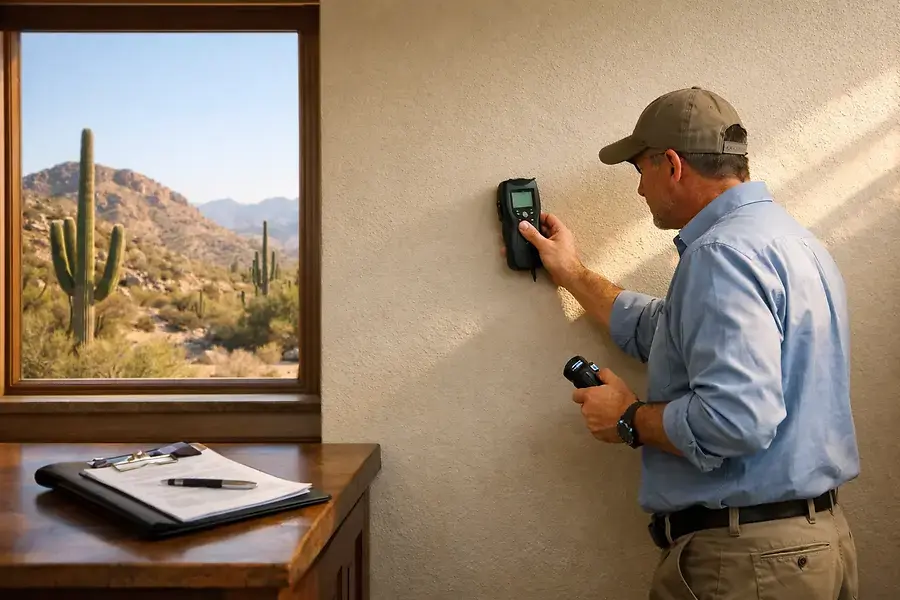
Why Home Inspections Matter in Tucson's Real Estate Market
Purchasing a home is one of the most significant financial decisions you'll make, and in Tucson's competitive real estate market, protecting that investment is crucial. A professional home inspection serves as your safeguard, providing an objective assessment of a property's condition before you commit to the purchase. Unlike a simple walkthrough, a comprehensive inspection examines structural integrity, mechanical systems, and potential safety hazards that could cost thousands to repair.
Tucson's unique climate and geography present specific challenges that inspectors must evaluate. The intense desert heat, occasional monsoons, and mineral-rich water can create issues that buyers unfamiliar with the region might overlook. An experienced inspector understands these local factors and knows exactly what to look for to ensure you're making an informed decision.
Key Areas Inspectors Examine in Tucson Homes
Roof and Exterior Condition
Your roof is your home's first line of defense against Tucson's harsh sun and occasional severe weather. Inspectors evaluate shingle condition, flashing integrity, and overall structural soundness. They'll check for signs of deterioration, improper repairs, and whether the roof has adequate remaining lifespan. The intense UV exposure in Tucson can age roofing materials faster than in other regions, making this assessment particularly important.
HVAC and Cooling Systems
In Tucson, air conditioning isn't a luxury—it's essential. Inspectors thoroughly examine your cooling system's age, efficiency, and maintenance history. They test the unit's operation, check refrigerant levels, and assess ductwork condition. A failing AC system in the desert can be a deal-breaker, so understanding its condition is vital before purchase.
Plumbing and Water Systems
Tucson's hard water and mineral deposits can cause significant plumbing issues. Inspectors check for:
- Corrosion in pipes and fixtures
- Water pressure and flow rates
- Water heater age and condition
- Signs of leaks or water damage
- Septic system functionality (if applicable)
These assessments reveal whether expensive plumbing replacements might be necessary soon after purchase.
Electrical Systems
A safe electrical system is non-negotiable. Inspectors verify that wiring meets current codes, outlets are properly grounded, and the panel has adequate capacity for modern appliances. They'll identify outdated components, potential fire hazards, and any unpermitted electrical work that could complicate future sales or insurance claims.
Foundation and Structural Integrity
Tucson's soil composition and occasional seismic activity make foundation inspection critical. Inspectors look for cracks, settling, and signs of water intrusion. They assess whether any structural issues are cosmetic or indicate serious problems requiring professional engineering evaluation.
Insulation and Energy Efficiency
Proper insulation directly impacts your cooling costs in Tucson's climate. Inspectors evaluate attic insulation levels, window condition, and air sealing. Understanding a home's energy efficiency helps you anticipate utility costs and identify upgrades that could save money long-term.
Red Flags and What They Mean for Your Purchase Decision
Structural Concerns
Significant foundation cracks, bowing walls, or uneven floors indicate serious structural problems. These issues require professional engineering assessment and can be extremely costly to repair. Such findings should prompt serious negotiation or reconsideration of the purchase.
Water Damage and Mold
Evidence of water intrusion, staining, or mold growth suggests ongoing moisture problems. This is particularly concerning in Tucson, where monsoon season can expose vulnerabilities. Water damage often indicates hidden problems behind walls and can lead to expensive remediation.
Outdated or Failing Systems
An aging roof nearing the end of its lifespan, an AC unit over 15 years old, or an original water heater from the 1990s means replacement costs are imminent. Factor these expenses into your offer or request credits from the seller.
Electrical Hazards
Outdated wiring, aluminum wiring, or an overloaded electrical panel present safety risks and insurance complications. These issues require professional remediation before you can safely occupy the home.
Pest Infestation
Tucson's warm climate attracts termites, scorpions, and other pests. Evidence of infestation requires professional treatment and investigation into how extensive the problem might be.
Unpermitted Work
Additions, renovations, or electrical work completed without permits can create liability issues and complicate future sales. Request documentation or estimates for bringing unpermitted work into compliance.
Using Inspection Reports to Negotiate and Secure Your Best Deal
A thorough inspection report is your negotiating tool. Don't view inspection findings as reasons to walk away automatically—instead, use them strategically. For minor issues, request seller credits. For major problems, ask for repairs before closing or price reductions to cover future work.
Prioritize your concerns. A roof replacement might cost $8,000-$12,000, while a new AC system could exceed $5,000. Understanding which issues are most critical helps you negotiate effectively.
Remember: An inspection protects both parties. Sellers benefit from knowing issues upfront, and buyers gain peace of mind and negotiating power.
Work with your real estate agent to determine what's reasonable to request. Some sellers are willing to make repairs; others prefer offering credits. Understanding local market conditions helps you decide which approach works best for your situation.
Don't skip the walk-through with your inspector. Ask questions, understand the findings, and get clarification on what repairs are truly necessary versus cosmetic improvements. This knowledge empowers you to make confident decisions about your investment.
A comprehensive home inspection is your investment protection plan. By understanding what inspectors examine, recognizing red flags, and using findings strategically in negotiations, you'll secure the best possible deal and move into your Tucson home with confidence and peace of mind.


