Essential Home Inspections for Twin Cities Seven-County Buyers
Learn what inspectors look for and how to protect your investment across the metro area.

Why Home Inspections Matter in the Twin Cities Market
Purchasing a home is one of the most significant financial decisions you'll make, and in the Twin Cities seven-county area, it's no exception. Whether you're buying in Minneapolis, St. Paul, or the surrounding suburbs, a professional home inspection is your first line of defense against costly surprises. The Minnesota climate, with its harsh winters and variable weather patterns, creates unique challenges for residential properties that inspectors are trained to identify.
A comprehensive home inspection provides you with detailed knowledge about your potential property's condition before you commit to the purchase. This knowledge empowers you to negotiate repairs, request credits, or make an informed decision about whether to proceed with the transaction. In a competitive market like the Twin Cities, having this information can save you thousands of dollars in unexpected repairs down the road.
Key Areas Inspectors Evaluate in Minnesota Homes
Structural Integrity and Foundation
Minnesota's freeze-thaw cycles are particularly hard on home foundations. Inspectors carefully examine foundations for cracks, settling, and water damage. They look for signs of structural movement and assess the integrity of basement walls, which are critical in the Twin Cities region where many homes have basements.
Roofing and Weather Protection
Given Minnesota's heavy snow loads and temperature fluctuations, roof condition is paramount. Inspectors evaluate:
- Shingle condition and remaining lifespan
- Flashing around chimneys and vents
- Proper drainage and gutter systems
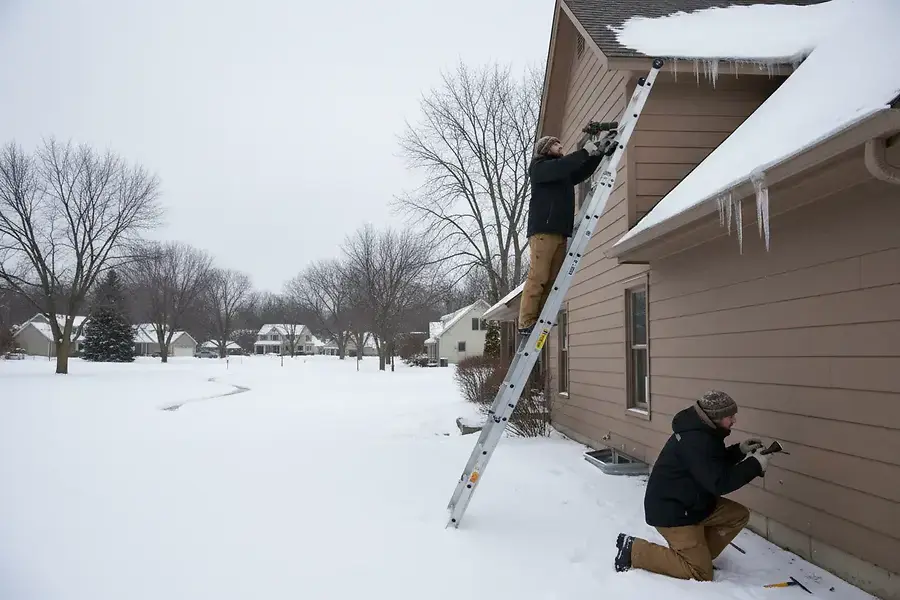
- Signs of ice dam damage or water infiltration
Heating and Cooling Systems
Minnesota winters demand reliable heating systems. Inspectors test furnaces, heat pumps, and boilers to ensure they operate efficiently. They also evaluate air conditioning systems and ductwork to confirm proper airflow throughout the home.
Plumbing and Water Systems
Water-related issues can be expensive and damaging. Inspectors check:
- Water pressure and flow rates
- Pipe materials and condition (particularly important in older Twin Cities homes)
- Sump pump functionality
- Water heater age and condition
- Signs of leaks or water damage
Electrical Systems
Electrical safety is non-negotiable. Inspectors examine the main panel, circuit breakers, outlets, and wiring to ensure the system meets current safety standards. They identify outdated systems that may need upgrading, such as older aluminum wiring found in some Minnesota homes.
Insulation and Ventilation
Energy efficiency matters in Minnesota's climate. Inspectors assess insulation levels in attics, walls, and crawl spaces, and verify that ventilation systems are functioning properly to prevent moisture buildup and mold growth.
Common Issues Found in Seven-County Properties and How to Address Them
Water Intrusion and Basement Moisture
The Issue: Minnesota's wet springs and heavy rains often lead to water seeping into basements and crawl spaces. This is one of the most common problems found in Twin Cities homes.
How to Address It: Solutions range from simple (improving grading and gutter systems) to complex (installing interior or exterior drainage systems). Early detection through inspection can prevent costly structural damage and mold growth.
Ice Dams and Roof Damage
The Issue: Winter ice dams form when heat escapes through the roof, melting snow that then refreezes at the eaves. This can cause significant water damage to roofing, insulation, and interior walls.
How to Address It: Proper attic insulation, ventilation, and gutter maintenance are preventative measures. If damage is found, repairs should address both the immediate damage and the underlying cause.
Aging HVAC Systems
The Issue: Many Twin Cities homes have furnaces and air conditioning systems that are nearing the end of their lifespan, typically 15-20 years for furnaces.
How to Address It: Budget for replacement if systems are older. A professional inspection can provide estimates for replacement costs and help you plan accordingly.
Foundation Cracks and Settlement
The Issue: Minnesota's soil composition and freeze-thaw cycles can cause foundation settling and cracking, particularly in older homes.
How to Address It: Minor cracks may be cosmetic, but structural cracks require professional assessment. Inspectors can distinguish between normal settling and serious structural issues.
Outdated Electrical Systems
The Issue: Older Twin Cities homes may have outdated electrical panels, knob-and-tube wiring, or aluminum wiring that poses safety risks.
How to Address It: Upgrading to modern electrical systems is a worthwhile investment in safety and home value. This is often a negotiation point during the purchase process.
Mold and Indoor Air Quality
The Issue: Minnesota's humidity levels and moisture problems can create conditions favorable for mold growth, particularly in basements and crawl spaces.
How to Address It: Proper ventilation, moisture control, and prompt repair of water intrusion issues are essential. If mold is detected, professional remediation may be necessary.
Making Informed Decisions with Professional Inspection Guidance
A professional home inspection is an investment that typically costs between $300 and $500 in the Twin Cities area, but can save you tens of thousands in avoided problems. When you receive your inspection report, take time to understand the findings and ask your inspector to explain any concerns.
Use inspection results strategically: Not every issue requires immediate action. Work with your real estate agent to prioritize repairs and determine which items are negotiable with the seller. Some issues may be simple fixes, while others might indicate larger problems requiring professional assessment.
Plan for the future: Even if issues are addressed before closing, use the inspection report as a maintenance guide. Understanding your home's condition helps you budget for future repairs and maintenance.
Consider specialized inspections: For older homes or properties with specific concerns, specialized inspections for radon, asbestos, lead paint, or pest damage may be warranted in the Twin Cities area.
By investing in a thorough home inspection, you're taking control of one of life's largest purchases. In the Twin Cities seven-county market, where weather and regional factors create unique challenges, professional inspection guidance is invaluable for making informed decisions and protecting your investment for years to come.


