Essential Home Inspections for West Palm Beach Property Buyers
What to look for during inspections and how to protect your investment in Florida's unique climate.

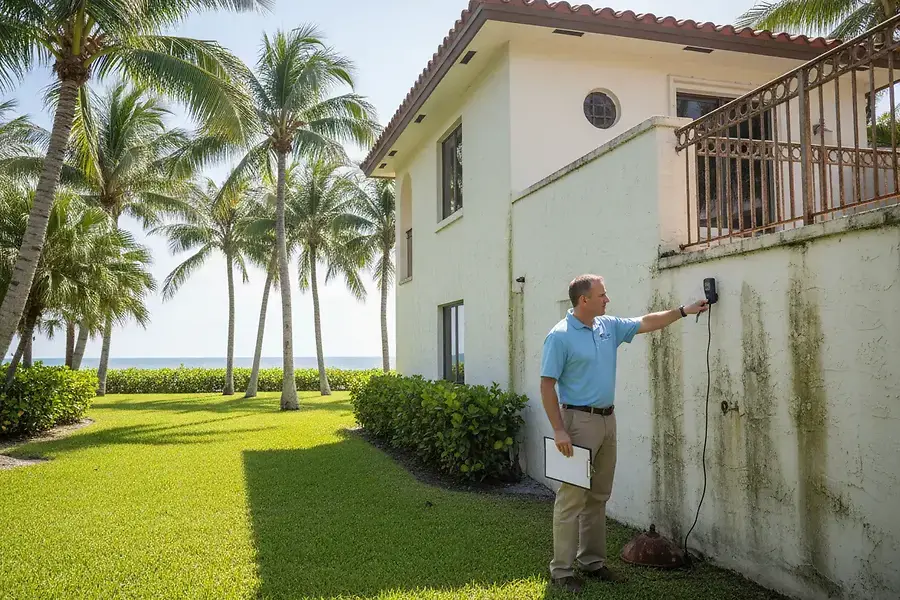
Why Home Inspections Matter in West Palm Beach
Purchasing a home in West Palm Beach is an exciting milestone, but it's also one of the most significant financial decisions you'll make. A thorough home inspection is your first line of defense against costly surprises and hidden problems. In Florida's unique tropical climate, properties face distinct challenges that differ from other regions, making professional inspections absolutely essential.
Home inspections provide you with a comprehensive understanding of your potential property's condition before you commit to the purchase. An experienced inspector will evaluate the structural integrity, electrical systems, plumbing, HVAC, and identify any issues that could affect your safety, comfort, or investment value. In West Palm Beach, where humidity, salt air, and intense weather are constant factors, these inspections become even more critical.
Common Issues Specific to Florida Properties: Moisture, Termites, and Salt Damage
Moisture and Mold Concerns
West Palm Beach's subtropical climate creates the perfect environment for moisture accumulation and mold growth. High humidity levels, combined with heavy rainfall and coastal proximity, mean that moisture can infiltrate walls, attics, and crawl spaces. During your inspection, pay close attention to:
- Water stains on ceilings and walls
- Soft or discolored drywall
- Musty odors in enclosed spaces
- Signs of previous water damage or repairs
- Proper drainage around the foundation
Mold growth is not just an aesthetic issue—it can pose serious health risks to your family. Ensure your inspector specifically checks for mold in bathrooms, kitchens, basements, and attics.
Termite and Pest Infestations
Florida's warm climate is a haven for termites and other destructive pests. Termite damage can be extensive and expensive to repair, potentially affecting the structural integrity of your home. Your inspection should include:
- Evidence of termite tubes or damage
- Wood rot or deterioration
- Pest droppings or nesting materials
- Previous pest treatment records
Consider requesting a separate termite inspection from a licensed pest control professional for added peace of mind.
Salt Damage and Corrosion
Living near the coast means your property is exposed to salt air, which accelerates corrosion of metal components. Salt damage can affect:
- Metal roof components and gutters
- HVAC units and outdoor equipment
- Electrical fixtures and wiring
- Window frames and hardware
- Concrete and rebar deterioration
Inspectors should evaluate the condition of these elements and recommend protective measures or replacements as needed.
The Home Inspection Process: What Buyers Should Expect and Questions to Ask
What to Expect During the Inspection
A standard home inspection typically lasts 2-4 hours, depending on the property's size and age. The inspector will systematically examine both the interior and exterior of the home, documenting findings with photographs and detailed notes. You should always attend the inspection to ask questions and gain firsthand knowledge of your potential property.
The inspector will evaluate:
- Foundation and structural elements
- Roof condition and age
- Plumbing and water pressure
- Electrical systems and panel
- HVAC systems and efficiency
- Appliances and fixtures
- Windows, doors, and weatherproofing
Important Questions to Ask Your Inspector
Don't hesitate to ask detailed questions about any concerns. Consider asking:
- "What is the estimated lifespan of the roof, and when was it last replaced?"
- "Are there any signs of previous water damage or current moisture issues?"
- "Has this property been treated for termites, and how recent was that treatment?"
- "What maintenance issues should I prioritize in the first year of ownership?"
- "Are there any code violations or safety concerns I should know about?"
- "How does this property compare to others in the area regarding condition?"
Using Inspection Results to Negotiate and Make Informed Decisions
Once you receive the inspection report, you have valuable information to guide your next steps.
A thorough inspection report is your roadmap to making an informed decision about your investment.
Negotiation Strategies
If significant issues are discovered, you have several options:
- Request repairs: Ask the seller to fix major issues before closing
- Request credits: Negotiate a reduction in the purchase price to cover repairs yourself
- Request inspections: Ask for specialized inspections (roof, termite, foundation) for major concerns
- Walk away: If issues are too extensive, you may choose to terminate the contract
Minor issues like worn caulking or small cosmetic damage typically don't warrant renegotiation, but structural problems, major system failures, or evidence of pest damage are legitimate negotiation points.
Making Your Decision
Consider the total cost of ownership, including necessary repairs and ongoing maintenance. In West Palm Beach, budget for regular maintenance to combat moisture, salt damage, and pest prevention. A property with minor issues and a lower price might be a better investment than a seemingly perfect home at a premium price.
Empowering Buyers with Knowledge and Confidence
A comprehensive home inspection is an investment in your peace of mind and financial security. By understanding what to look for, asking the right questions, and carefully reviewing inspection results, you're taking control of one of life's biggest decisions.
Remember that no home is perfect, but an informed buyer is an empowered buyer. Work with experienced professionals—your real estate agent, inspector, and attorney—to navigate the process and protect your investment in West Palm Beach's dynamic real estate market.
Your future home deserves thorough scrutiny, and you deserve complete confidence in your purchase. Take the time to do it right.