Essential Home Inspections for Wilmette and Chicago Home Buyers
Discover what professional inspectors look for and how to protect your investment before closing.

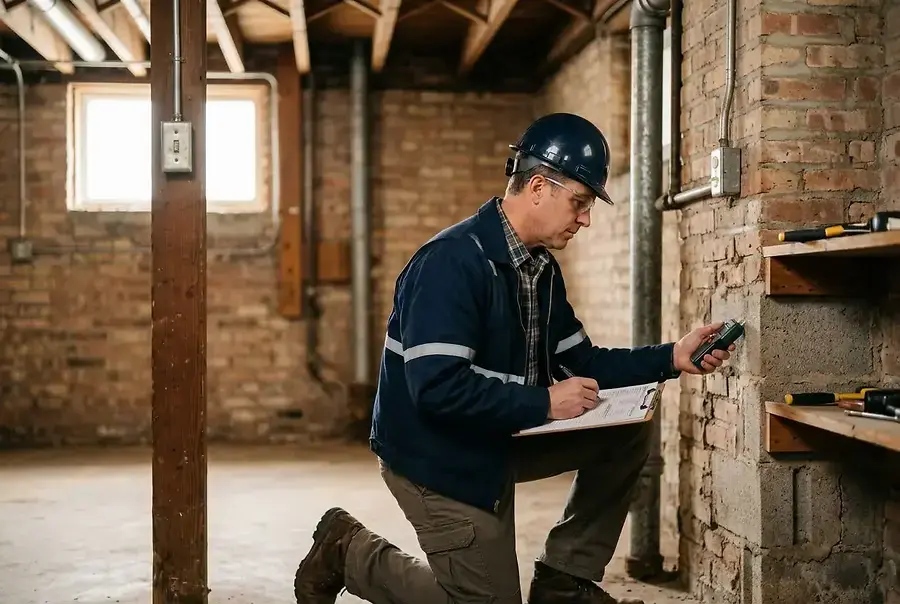
Why Home Inspections Matter in Competitive Markets
In the fast-paced real estate markets of Chicago and Wilmette, home buyers often feel pressured to make quick decisions and waive inspections to remain competitive. However, this approach can be costly and risky. A professional home inspection is one of the most important investments you can make when purchasing a property, serving as your objective assessment of the home's true condition.
Home inspections provide you with detailed information about structural integrity, mechanical systems, and potential safety hazards. In older Chicago and Wilmette homes—many built in the early 1900s—inspections are particularly crucial. These properties often have unique challenges that require specialized knowledge to identify properly.
A thorough inspection protects your financial investment and gives you negotiating power before you sign the final papers. Rather than discovering expensive problems after closing, you'll have the information needed to make informed decisions and request repairs or credits from the seller.
Key Areas Inspectors Evaluate in Older Chicago and Wilmette Homes
Foundation and Structural Components
The foundation is the backbone of any home. Inspectors carefully examine foundations for cracks, settling, water damage, and signs of structural movement. In older Chicago homes, common issues include:
- Brick or stone foundation deterioration
- Basement moisture and water intrusion
- Inadequate drainage systems
- Cracks indicating foundation settlement
These issues can be expensive to repair and may affect the home's long-term stability and value.
Roofing and Exterior
The roof protects everything beneath it. Inspectors evaluate roof age, material condition, flashing integrity, and signs of leaks. They also examine siding, windows, doors, and gutters. Older Wilmette homes may have:
- Aging asphalt shingles nearing replacement
- Deteriorated wood siding requiring restoration
- Original single-pane windows lacking insulation
- Clogged or damaged gutters and downspouts
Plumbing Systems
Outdated plumbing is a common concern in older properties. Inspectors test water pressure, check for leaks, and identify pipe materials. Galvanized steel pipes, common in homes built before the 1970s, often corrode and restrict water flow. Lead pipes, found in some Chicago homes, pose health risks and may require replacement.
Electrical Systems
Electrical safety is paramount. Inspectors examine the panel, wiring, outlets, and grounding. Older homes may have:
- Outdated knob-and-tube wiring
- Insufficient electrical capacity for modern needs
- Ungrounded outlets
- Aluminum wiring (a fire hazard in some cases)
Heating, Cooling, and Ventilation
HVAC systems are evaluated for age, functionality, and safety. Inspectors check furnaces, air conditioning units, ductwork, and ventilation. Older systems may be inefficient or require imminent replacement, which is a significant expense.
Interior Conditions
Inspectors examine walls, ceilings, floors, and doors for damage, settling, or water intrusion. They also look for signs of pest infestations, mold, or asbestos—materials commonly used in homes built before the 1980s.
Red Flags to Watch For and How to Negotiate Repairs
Major Red Flags
Some inspection findings warrant serious consideration:
- Foundation cracks or settling – Can indicate structural problems requiring expensive repairs
- Roof leaks or age – Replacement costs can exceed $10,000
- Outdated electrical or plumbing – May require complete system upgrades
- Mold or water damage – Health hazards requiring professional remediation
- HVAC system failure – Replacement is a major expense
- Asbestos or lead paint – Health risks requiring professional abatement
Negotiation Strategies
Once you receive the inspection report, you have several options:
Request Repairs: Ask the seller to fix identified issues before closing. This works best for straightforward repairs like fixing gutters or replacing weatherstripping.
Request Credits: If repairs are complex or the seller prefers not to handle them, request a credit toward closing costs. This allows you to hire contractors of your choice.
Renegotiate Price: For significant issues, you may request a price reduction reflecting repair costs and decreased property value.
Walk Away: If inspection reveals major problems and the seller won't negotiate, you have the right to withdraw your offer—assuming your contract includes an inspection contingency.
"Don't skip the inspection to be competitive. A $400 inspection fee is minimal compared to discovering a $50,000 foundation problem after closing."
Working with Your Inspector
Choose a licensed, experienced inspector familiar with older Chicago and Wilmette homes. Attend the inspection if possible—inspectors can explain findings and answer questions directly. Ask about repair urgency and estimated costs for major items.
Using Inspection Results to Make Confident Offers
A professional home inspection transforms you from a reactive buyer into an informed one. Rather than making emotional decisions under time pressure, you'll have objective data about the property's condition.
Use inspection findings to:
- Understand true repair and maintenance costs
- Assess long-term investment value
- Negotiate fairly with sellers
- Plan your budget for necessary upgrades
- Make confident decisions aligned with your financial goals
In competitive Chicago and Wilmette markets, a thorough inspection isn't a luxury—it's essential due diligence. The insights gained protect your investment, inform your negotiations, and ensure you're making one of life's biggest purchases with complete information.
Don't let competitive pressure override prudent home buying practices. Schedule a professional inspection, review the findings carefully, and use that knowledge to make the best decision for your family and finances.