Essential Home Inspections in Florida: Protecting Your Real Estate Investment
Discover the critical inspection checkpoints that protect your investment and reveal hidden issues before closing.

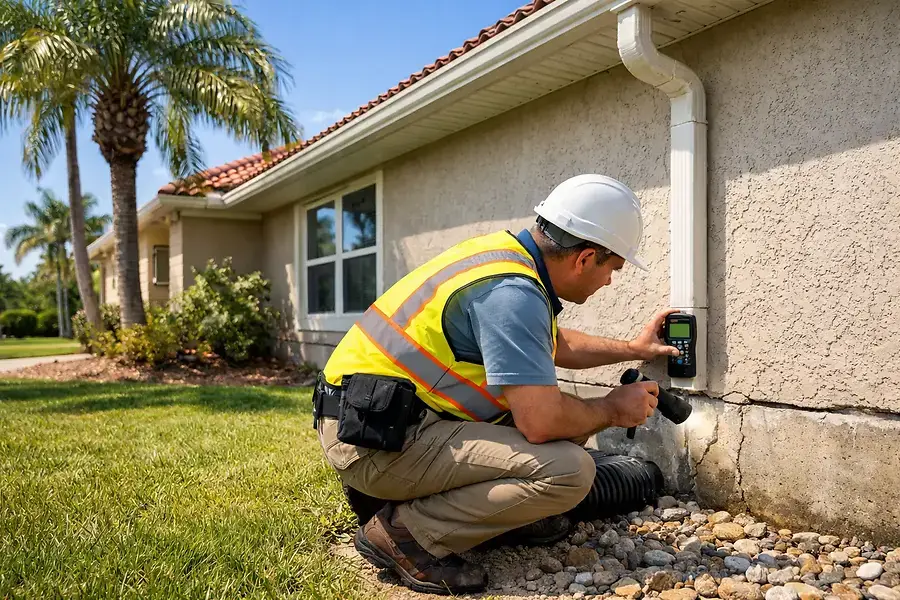
Why Professional Home Inspections Matter in Florida's Market
Purchasing a home is one of the most significant financial decisions you'll make, and in Florida's competitive real estate market, a professional home inspection is your best defense against costly surprises. A thorough inspection can reveal hidden defects, structural issues, and maintenance problems that could cost thousands of dollars to repair after closing.
Florida's unique climate and environmental conditions create specific challenges that standard inspections in other states may not address. From hurricane-resistant construction requirements to moisture-related concerns, working with an experienced inspector who understands the local market is essential. An inspection report provides you with detailed documentation of the property's condition, giving you leverage to negotiate repairs or price adjustments before finalizing your purchase.
Key Areas Inspectors Examine: Structural, Systems, and Climate-Related Concerns
Structural Components
Inspectors begin by evaluating the foundation, roof, walls, and overall structural integrity of the home. In Florida, this includes checking for:
- Foundation cracks or settling issues
- Roof condition and hurricane-resistant features
- Proper ventilation in attics and crawl spaces
- Signs of water intrusion or damage
Electrical and Plumbing Systems
These critical systems are thoroughly tested to ensure safety and functionality. Inspectors examine:
- Electrical panel capacity and circuit breakers
- Grounding and bonding systems
- Water pressure and drainage systems
- Pipe materials and corrosion signs
- Water heater condition and age
HVAC and Climate Control
Florida's heat and humidity make air conditioning systems critical. Inspectors evaluate the age, efficiency, and maintenance history of cooling systems, as well as proper ductwork installation and insulation levels.
Moisture and Humidity Management
Given Florida's subtropical climate, inspectors pay special attention to moisture barriers, vapor seals, and dehumidification systems. Proper moisture management is essential for preventing mold growth and structural damage.
Common Florida-Specific Issues: Termites, Mold, Flooding, and Foundation Damage
Termite Infestations
Termites are a persistent threat in Florida's warm climate. A professional inspection includes a thorough termite assessment, looking for:
- Visible termite damage to wood structures
- Mud tubes and entry points
- Evidence of past or current infestations
- Proper termite treatment barriers
Pro Tip: Consider hiring a separate termite inspector for a specialized evaluation, as they can identify issues that general home inspectors might miss.
Mold and Moisture Problems
Florida's humidity creates ideal conditions for mold growth. Inspectors look for:
- Visible mold in bathrooms, kitchens, and basements
- Water stains on ceilings and walls
- Musty odors indicating hidden moisture
- Inadequate ventilation in wet areas
- Roof leaks or plumbing issues causing moisture
If mold is suspected, a specialized mold inspection may be necessary to determine the extent and type of contamination.
Flooding and Water Damage
Florida's low elevation and proximity to water bodies make flooding a significant concern. Inspectors evaluate:
- Flood zone designation and elevation certificate
- Previous flood damage or water intrusion
- Drainage systems and grading around the foundation
- Sump pump functionality and backup systems
- Flood vents and proper ventilation in elevated homes
Important: Check the property's flood insurance requirements and costs, as this can significantly impact your long-term ownership expenses.
Foundation Damage and Settlement
Florida's sandy soil and high water table can cause foundation issues. Inspectors look for:
- Cracks in concrete slabs or pilings
- Uneven floors or doors that don't close properly
- Signs of foundation settling or movement
- Proper foundation ventilation and moisture barriers
Using Inspection Reports to Negotiate and Protect Your Purchase
Understanding Your Inspection Report
A comprehensive inspection report documents every finding, categorizing issues by severity. Critical issues require immediate attention, major concerns need repair before closing, and minor items are maintenance recommendations. Take time to review the report thoroughly and ask your inspector to explain any findings you don't understand.
Negotiation Strategies
Once you have the inspection report, you have several options:
- Request repairs: Ask the seller to fix critical issues before closing
- Price reduction: Negotiate a lower purchase price to account for repairs you'll handle
- Escrow holdback: Set aside funds from closing to cover repairs after purchase
- Walk away: If issues are too extensive, you may have grounds to terminate the contract
Post-Purchase Protection
Even after closing, your inspection report remains valuable. It serves as documentation of the property's condition at purchase, which is important for:
- Insurance claims related to pre-existing damage
- Warranty claims on systems and appliances
- Future resale documentation
- Maintenance planning and budgeting
Don't skip the inspection contingency period. This is your opportunity to identify problems and make informed decisions about your investment. A thorough home inspection in Florida is not an expense—it's an investment in your peace of mind and financial security.
Final Thoughts
Florida's unique climate and environmental challenges require careful attention during the home buying process. By prioritizing a professional inspection and understanding common Florida-specific issues, you protect yourself from costly surprises and ensure your real estate investment is sound. Work with experienced inspectors who know the local market, ask detailed questions, and use the inspection report as a powerful negotiation tool. Your future self will thank you for the diligence you invest today.


