Essential Home Inspections: What Birmingham Buyers Need to Know
Discover what professional inspectors look for and how to protect your investment in Birmingham's real estate market.

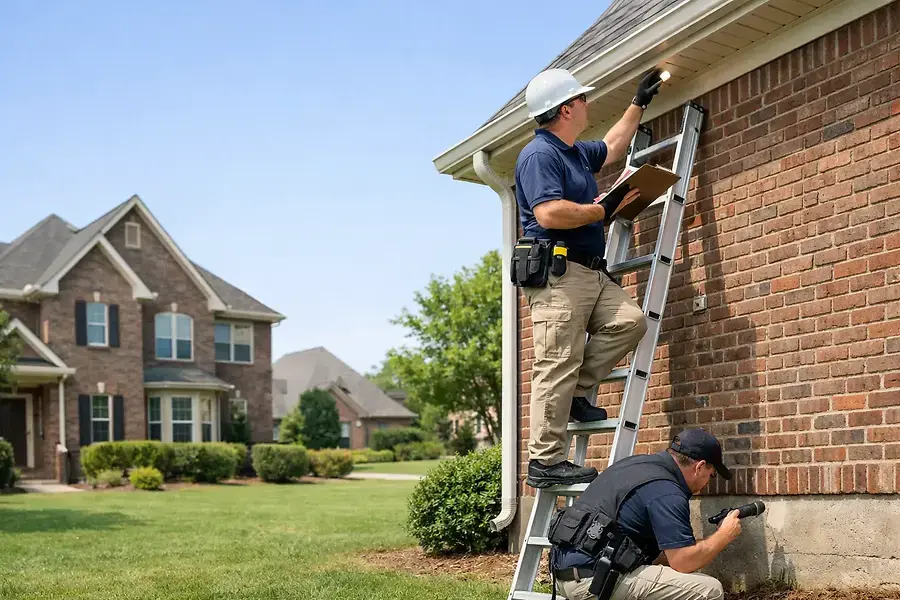
Understanding the Home Inspection Process in Birmingham
Purchasing a home is one of the most significant investments you'll make in your lifetime. In Birmingham's competitive real estate market, a professional home inspection is your safeguard against costly surprises. A home inspection is a thorough examination of a property's physical structure and systems, conducted by a certified inspector who provides you with a detailed report of their findings.
The inspection process typically takes two to four hours depending on the home's size and age. During this time, the inspector will examine everything from the foundation to the roof, testing systems and identifying potential issues. As a buyer, you have the right to be present during the inspection—in fact, it's highly recommended. This gives you the opportunity to ask questions and understand the property's condition firsthand.
Why Home Inspections Matter in Birmingham
Birmingham's diverse housing stock ranges from historic Victorian homes to modern suburban properties. Each type of home presents unique challenges. Older homes may have outdated electrical systems or plumbing, while newer constructions might have warranty issues. A professional inspection reveals these problems before you commit to the purchase, potentially saving you thousands of dollars in unexpected repairs.
Critical Areas Inspectors Evaluate and Why They Matter
Structural Integrity
Inspectors carefully examine the foundation, walls, and roof structure. Foundation issues are among the most expensive problems to repair, so this assessment is crucial. They look for cracks, settling, water damage, and signs of pest infestation that could compromise the home's structural stability.
Roofing and Exterior
The roof protects everything beneath it. Inspectors assess the roof's age, condition, and remaining lifespan. They also examine:
- Gutters and downspouts
- Siding and exterior walls
- Windows and doors
- Decks and patios
Plumbing Systems
Water damage is a silent destroyer of homes. Inspectors test water pressure, check for leaks, examine pipe materials, and assess the water heater's condition. Outdated galvanized pipes or polybutylene plumbing can be particularly problematic and may require replacement.
Electrical Systems
Safety is paramount. Inspectors verify that the electrical panel is properly grounded, check for outdated wiring, and ensure outlets are functioning correctly. Homes with insufficient electrical capacity or outdated systems may need upgrades to meet current safety standards.
HVAC Systems
Heating, ventilation, and air conditioning systems are essential for comfort and health. Inspectors evaluate the furnace or heat pump, air conditioning unit, and ductwork. They assess whether these systems are functioning properly and estimate their remaining useful life.
Insulation and Ventilation
Proper insulation and ventilation affect energy efficiency and prevent moisture problems. Inspectors check attic insulation levels, ventilation adequacy, and look for signs of moisture or mold growth.
How to Prepare for and Interpret Your Inspection Report
Before the Inspection
Prepare yourself by:
- Reviewing the property listing and noting any disclosed issues
- Preparing a list of questions about specific concerns
- Arranging to be present during the inspection
- Ensuring the inspector has full access to all areas of the home
Understanding Your Report
Home inspection reports typically categorize findings into three levels: major issues, minor issues, and maintenance recommendations. Major issues require immediate attention and can significantly impact the home's value. Minor issues are less urgent but should be addressed. Maintenance recommendations are suggestions for keeping the home in good condition.
"Don't panic if your inspection report identifies issues. Many problems are fixable, and the report gives you leverage to negotiate repairs or credits with the seller."
Asking the Right Questions
During the inspection walkthrough, ask your inspector:
- What is the estimated cost to repair major issues?
- How urgent are these repairs?
- What is the expected lifespan of major systems?
- Are there any safety concerns?
Next Steps: Using Inspection Findings to Negotiate and Protect Your Purchase
Negotiation Strategies
Armed with your inspection report, you have several options:
- Request repairs: Ask the seller to fix major issues before closing
- Request credits: Negotiate a credit toward closing costs to handle repairs yourself
- Request price reduction: Lower the purchase price to account for necessary repairs
- Walk away: If issues are too severe, you may have grounds to terminate the contract
Protecting Your Investment
After closing, maintain detailed records of all inspections and repairs. Regular maintenance prevents small issues from becoming expensive problems. Consider scheduling annual inspections of major systems and addressing maintenance recommendations promptly.
Moving Forward with Confidence
A thorough home inspection is an investment in peace of mind. It empowers you to make informed decisions about one of life's largest purchases. In Birmingham's real estate market, where properties vary widely in age and condition, professional inspection is not just recommended—it's essential. By understanding what inspectors evaluate and how to use their findings, you're taking control of your home-buying journey and protecting your financial future.


