Essential Home Inspections: What Every Punta Gorda Buyer Needs to Know
Discover the critical inspection points that protect your investment and reveal hidden issues before you commit to purchase.

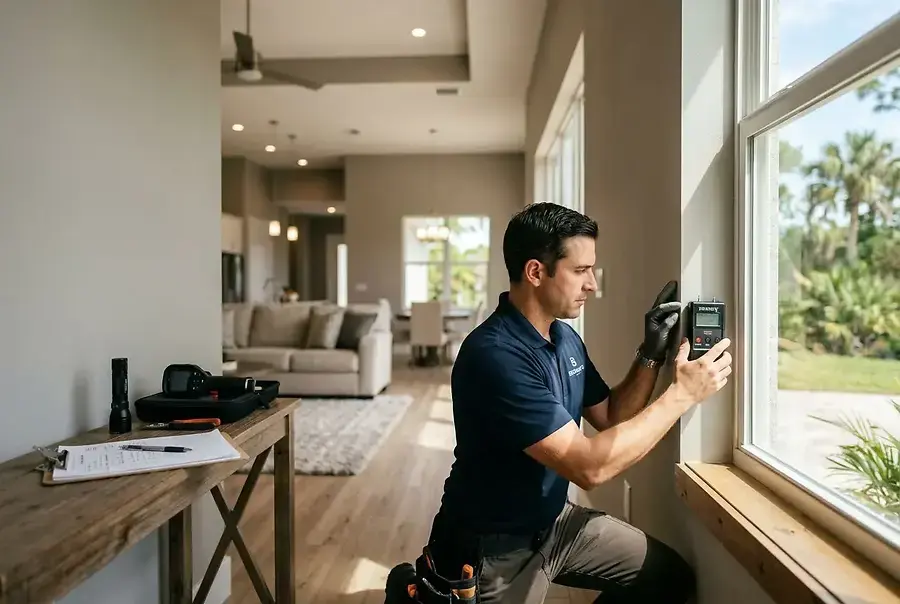
Understanding the Home Inspection Process
A home inspection is one of the most important steps in the home buying process, yet many buyers underestimate its value. When you're purchasing a property in Punta Gorda, a professional home inspection provides an objective assessment of the property's condition, helping you understand exactly what you're investing in.
The inspection process typically takes two to four hours, depending on the size and complexity of the home. A licensed inspector will systematically examine the property's major systems and components, documenting their findings in a detailed report. This report becomes your roadmap for understanding the home's current state and potential future expenses.
Why is this important for Punta Gorda buyers? Florida's unique climate, with its humidity, salt air, and hurricane exposure, creates specific challenges for homes. A thorough inspection tailored to these regional conditions can reveal issues that might not be apparent to the untrained eye.
Key Areas Inspectors Examine in Punta Gorda Homes
Structural Components and Foundation
Inspectors begin by evaluating the home's foundation and structural integrity. In Punta Gorda, where soil conditions and moisture levels can affect foundations, this examination is particularly critical. They look for cracks, settling, and signs of water damage that could indicate serious structural problems.
Roofing and Weather Protection
Given Florida's exposure to hurricanes and intense sun, the roof is a major focus area. Inspectors assess:
- Shingle condition and age
- Flashing integrity around chimneys and vents
- Signs of leaks or water damage
- Overall weather-worthiness and hurricane readiness
Plumbing Systems
Water-related issues are common in Florida homes. Inspectors examine water pressure, drainage, pipe materials, and check for signs of leaks or corrosion. They'll also evaluate the water heater's condition and age, as these components have limited lifespans.
Electrical Systems
A comprehensive electrical inspection includes checking the panel, outlets, switches, and wiring. In older Punta Gorda homes, outdated electrical systems may not meet current safety standards or handle modern power demands.
HVAC and Climate Control
Air conditioning is essential in Florida. Inspectors test the system's functionality, check refrigerant levels, and assess the age and maintenance history. A failing AC system can be one of the most expensive repairs in a home.
Moisture and Mold Concerns
Florida's humidity creates ideal conditions for mold growth. Professional inspectors look for visible mold, water stains, and moisture intrusion that could lead to mold problems. This is particularly important in bathrooms, basements, and areas with previous water damage.
Pool and Exterior Features
If the property includes a pool, spa, or other outdoor features, these are inspected for safety, functionality, and structural integrity. Inspectors also examine decks, patios, and landscaping for potential issues.
Red Flags and What They Mean for Your Purchase Decision
Major Structural Issues
What it means: Cracks in the foundation, significant settling, or structural damage can be extremely expensive to repair. These issues may require specialized engineering assessments and could affect your ability to obtain financing.
Roof Problems
A roof nearing the end of its life or showing significant damage is a major concern. Roof replacement can cost $15,000 to $30,000 or more. If the inspection reveals a compromised roof, this becomes a negotiation point or a reason to reconsider the purchase.
Mold and Water Damage
Why it matters: Mold remediation can be costly and health-hazardous. Extensive water damage suggests ongoing moisture problems that could lead to structural damage and continued mold growth. This is a red flag that requires professional assessment.
Outdated Electrical or Plumbing
Older systems may not be dangerous, but they may not meet current codes or handle modern demands. Upgrading these systems can be a significant expense, and insurance companies may require updates before providing coverage.
HVAC System Failure
If the air conditioning system is at the end of its life or not functioning properly, budget for replacement costs. In Florida, this is not a luxury—it's a necessity.
Pest Damage
Termite damage or signs of other pest infestations can indicate structural problems. Professional pest inspections may be warranted if the home inspector identifies concerns.
Using Inspection Results to Negotiate Better Terms
Request Repairs or Credits
Once you receive the inspection report, you have leverage. You can request that the seller repair identified issues before closing, or ask for a credit toward repairs you'll handle yourself. This is where the inspection truly pays for itself.
Prioritize Your Concerns
Not every finding requires action. Work with your real estate agent to prioritize issues based on safety, cost, and impact. A minor cosmetic issue is different from a failing HVAC system.
Get Professional Estimates
For significant issues, obtain repair estimates from licensed contractors. These estimates strengthen your negotiating position and help you understand the true cost of repairs.
Renegotiate the Purchase Price
If inspection results reveal substantial issues, you may be able to renegotiate the purchase price. Sellers often prefer this option to making repairs themselves.
Make an Informed Decision
Ultimately, the inspection report helps you make an informed decision. You can proceed with confidence, request repairs, negotiate terms, or walk away if issues are too significant. This knowledge is invaluable.
Don't Skip the Walk-Through
Attend the inspection if possible. Ask questions and get clarification on findings. Understanding the issues firsthand helps you make better decisions about your purchase.
A home inspection is an investment in peace of mind. For Punta Gorda buyers, it's an essential step that protects your financial investment and ensures you're making the right decision for your family.


